How Does a Dyson Vacuum Work? Inside Look
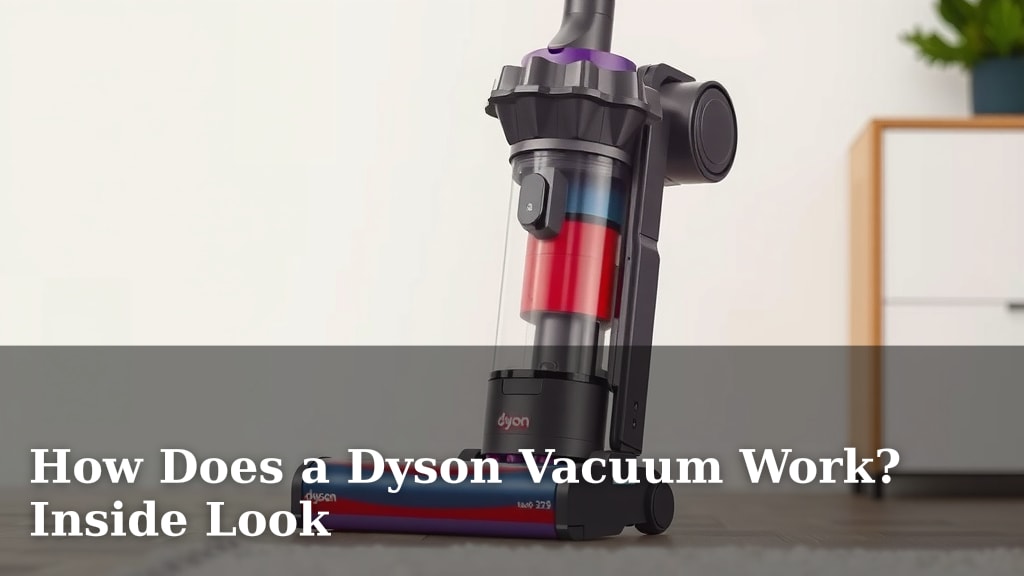
A Dyson vacuum works by creating incredibly powerful suction using a unique cyclone technology. This technology spins air at high speeds, separating dust and debris from the air before it reaches the filter. It’s designed to maintain consistent cleaning power, so you don’t lose suction as your bin fills up.
You might wonder how these vacuums keep their bags from getting clogged. Dyson’s system is built around a motor that spins air faster than a Formula 1 car. This ensures dirt is flung outwards, keeping the airflow clear and the suction strong. Many users find this method far more effective than traditional bagged vacuums for maintaining optimal performance over time.
- Dyson vacuums use cyclone technology for strong suction.
- This system separates dust and debris from the air.
- It prevents loss of suction as the bin fills.
- The advanced motor spins air at very high speeds.
Let’s take a closer look inside a Dyson vacuum to see exactly how this clever engineering keeps your floors spotless.
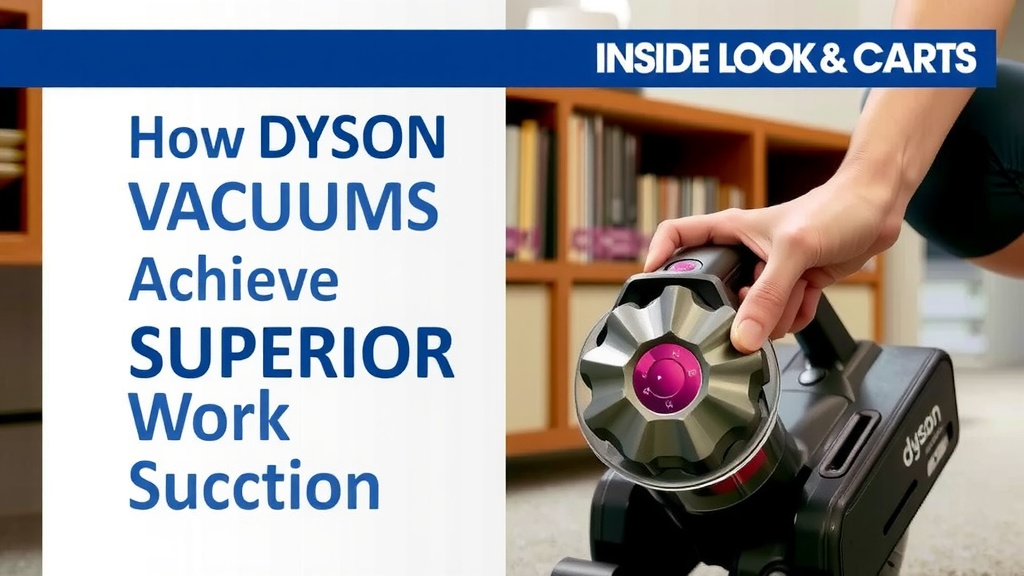
How Dyson Vacuums Achieve Superior Suction
So, you’re curious about what makes a Dyson vacuum cleaner so effective. It all comes down to a few key engineering principles that work together. You might have noticed that Dyson vacuums seem to maintain their power, even as the dust bin gets full. That’s not an accident!
The Heart of the Matter: The Motor
Every Dyson vacuum features a powerful digital motor. These motors are small but mighty. They spin at incredibly high speeds, sometimes exceeding 120,000 RPM. For comparison, a Formula 1 race car engine typically spins around 20,000 RPM. This high-speed rotation is crucial for generating powerful suction.
Think of it like a tiny, super-fast fan. This fan pulls air into the vacuum cleaner with a lot of force. The faster it spins, the more air it moves. This increased airflow is what helps lift dirt and debris from your floors. Many users report a noticeable difference in cleaning power compared to older vacuum models.
Understanding RPMs
RPM stands for “revolutions per minute.” It tells you how many times something spins in a single minute. The higher the RPM, the faster the spinning motion. Dyson’s advanced motors are designed for maximum speed and efficiency. This means they can move more air and create stronger suction in a smaller package.
Cyclone Technology: The Secret Sauce
This is where Dyson really shines. You won’t find any traditional bags in a Dyson vacuum. Instead, they use a system of “cyclones.” These are cone-shaped chambers designed to spin air and debris at very high speeds. It’s a bit like a mini centrifuge working inside your vacuum cleaner.
As the dusty air enters the cyclone, it’s forced into a swirling motion. This spinning action creates a strong centrifugal force. This force pushes heavier particles, like dirt, dust bunnies, and pet hair, outwards towards the walls of the cyclone. They are then flung down into the dust bin.
Separating the Good from the Grimy
The beauty of this system is that it separates the dirt from the airflow before it can clog anything up. The cleaner air continues to move through the vacuum, while the dirt is collected. This process ensures that the suction power remains consistent. You don’t experience that common problem of losing suction as the bin fills.
Research on air filtration systems shows that effective separation is key to maintaining airflow (National Institute for Occupational Safety and Health). Dyson’s cyclones are incredibly efficient at this. They are engineered to capture even microscopic dust particles. This means less dust gets recirculated into your home’s air.
How the Whole System Works Together
Let’s trace the path of dust. First, you turn on your Dyson. The powerful digital motor spins up to speed. This motor drives a fan, which pulls air into the vacuum head. Dirt and debris on your floor are sucked up with this incoming air.
This dirty air then enters the cyclone assembly. Inside the cyclones, the air spins rapidly. The centrifugal force separates the dust and debris from the air. The heavier particles fall into the clear dust bin. The cleaner air continues its journey.
After leaving the cyclones, the air passes through filters. These filters capture any remaining fine dust or allergens that might have escaped the cyclones. This ensures that only clean air is expelled back into your room. It’s a clever, multi-stage process designed for optimal cleaning performance.
A Look at the Filtration System
Filtration is a vital part of any vacuum cleaner. Dyson vacuums employ advanced filtration to capture tiny particles. This is especially important for people with allergies or asthma. They want to ensure that the air coming out of the vacuum is cleaner than when it went in.
Types of Filters Used
Dyson vacuums typically use a combination of filtration stages. Early stages might involve the cyclones themselves, which are highly effective. Subsequent stages use specialized filters to trap finer particles.
Many Dyson models feature whole-machine HEPA filtration. HEPA stands for High-Efficiency Particulate Air. A HEPA filter is certified to remove at least 99.97% of particles as small as 0.3 microns. This includes common allergens like pollen, mold spores, and pet dander. According to the Environmental Protection Agency (EPA), HEPA filters can significantly improve indoor air quality.
Maintenance and Filter Care
To keep your Dyson working at its best, filter maintenance is key. Most Dyson filters are designed to be washable. You can rinse them under cold water. Make sure to let them air dry completely before putting them back in the vacuum. This usually takes at least 24 hours. Regular cleaning ensures that your filters don’t become clogged.
A clogged filter restricts airflow. This can reduce suction power and make your vacuum work harder. Checking your vacuum’s manual for specific cleaning instructions for your model is always a good idea. Properly maintained filters contribute to sustained powerful suction over the life of the vacuum.
Key Components Checklist
Let’s recap the main parts that make a Dyson vacuum so effective. Keep these in mind when you’re using yours:
- Digital Motor: Provides high-speed power.
- Cyclone System: Separates dirt from air.
- Dust Bin: Collects the separated debris.
- Pre-motor Filter: Captures larger particles before the motor.
- Post-motor Filter (often HEPA): Traps microscopic allergens.
- Airflow Path: Designed for efficient movement from floor to exhaust.
Conclusion
You now understand how your Dyson vacuum achieves its impressive cleaning power. It’s a smart system where the high-speed digital motor works with the innovative cyclone technology. This combination ensures dirt is efficiently separated and captured, maintaining strong suction even as the bin fills. The advanced filtration also plays a key role in keeping your air clean. To keep your Dyson performing its best, remember to perform regular maintenance on its filters and dust bin. This simple step will help ensure you continue to enjoy a spotless home.
Frequently Asked Questions
How often should I wash my Dyson vacuum filters?
Dyson recommends washing most of their filters monthly, but this can vary depending on your usage and home environment. If you have pets or allergies, you might find yourself washing them more frequently to maintain optimal performance and air quality. Always ensure filters are completely dry before reinserting them to prevent damage.
Can a Dyson vacuum really capture microscopic dust?
Yes, Dyson vacuums are engineered to capture microscopic dust and allergens. Their cyclone technology separates larger debris, while the post-motor filtration systems, often HEPA, are designed to trap particles as small as 0.3 microns. This means more clean air is expelled back into your home.
What’s the difference between Dyson’s cyclone technology and a traditional bagged vacuum?
Traditional bagged vacuums rely on a bag to trap dirt, which can become clogged and reduce suction over time. Dyson’s bagless cyclone system spins air at high speeds to fling dirt and debris into a bin, preventing the airflow from being restricted by dust accumulation. This is why Dyson vacuums often maintain consistent suction power.
Is the digital motor in a Dyson vacuum very loud?
While Dyson’s digital motors spin at extremely high RPMs to create powerful suction, the overall noise level is carefully managed through acoustic engineering. Many users find them to be surprisingly quiet for their power output compared to older, less advanced vacuum cleaners. The sound profile is often a high-pitched hum rather than a deep roar.
How does the airflow path contribute to the vacuum’s effectiveness?
The airflow path in a Dyson is meticulously designed to be as direct and unobstructed as possible. From the moment dirt is lifted from your floor, it’s channeled efficiently through the cyclones, into the bin, and then through the filtration system before clean air is expelled. This minimizes resistance and helps maintain that strong, consistent suction you expect.