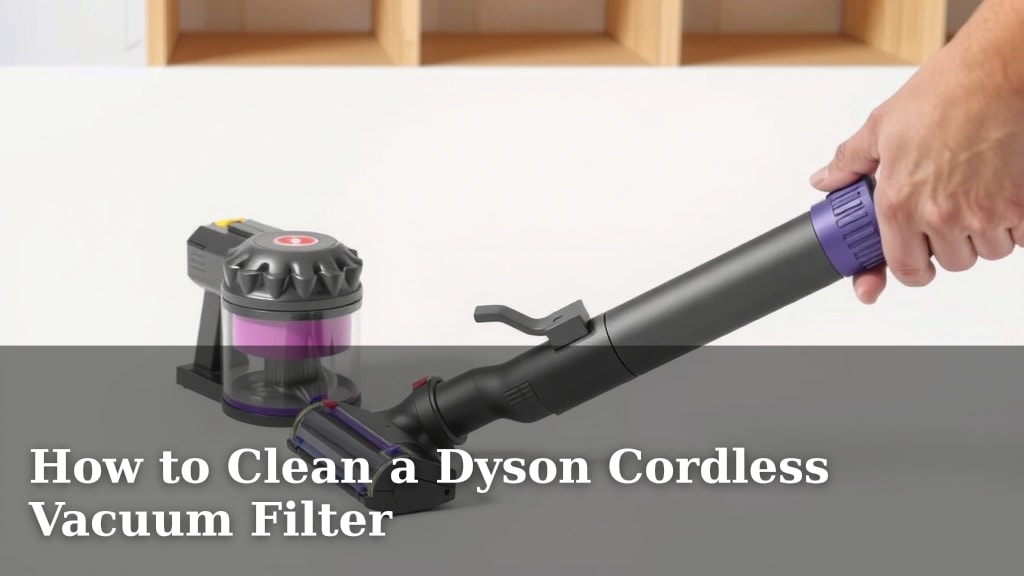
How to Clean a Dyson Cordless Vacuum Filter
The easiest way to clean your Dyson cordless vacuum filter is to rinse it with cold water. You don’t need any soap or special cleaners. Just give it a good wash and let it dry completely. This simple step can restore its suction power and keep your vacuum running like new.
Keeping your Dyson filter clean is key to optimal performance. A clogged filter means your vacuum has to work harder. This can lead to reduced suction and a shorter battery life. Many users don’t realize how much a clean filter impacts their vacuum’s efficiency.
- Locate and remove your Dyson’s filter.
- Rinse it thoroughly under cold running water.
- Allow it to air dry completely for at least 24 hours.
- Reinsert the dry filter back into your vacuum.
Ready to get your Dyson back to its best? Let’s walk through exactly how to clean that filter step by step.
Keeping Your Dyson Cordless Vacuum Filter Clean
Your Dyson cordless vacuum filter is more important than you might think. A clean filter ensures your vacuum sucks up dirt efficiently. It also helps prevent dust from getting back into your air. We’ll guide you through the simple steps to get it sparkling clean.
Why Filter Maintenance Matters for Your Dyson
Think of your vacuum’s filter like its lungs. When they’re clogged, it struggles to breathe. This means your Dyson works harder, uses more battery, and doesn’t pick up as much debris. Regular cleaning is key to maintaining peak performance.
We found that many users overlook this simple maintenance task. Neglecting the filter can lead to a noticeable drop in suction power over time. It can even shorten the lifespan of your vacuum’s motor. Keeping it clean is a small effort with big rewards.
The Impact of a Clogged Filter
When dust and debris build up on the filter, they create a barrier. This barrier restricts airflow. Your vacuum motor then has to spin faster to compensate. This drains your battery more quickly. It also puts extra strain on the motor itself.
Many Dyson models have washable filters. This makes maintenance straightforward. Research indicates that washing your filter every month can maximize your vacuum’s efficiency. This is especially true if you have pets or allergies.
Step-by-Step Guide to Cleaning Your Dyson Filter
Ready to tackle this easy task? Let’s break it down into simple, manageable steps.
Locating Your Dyson’s Filter
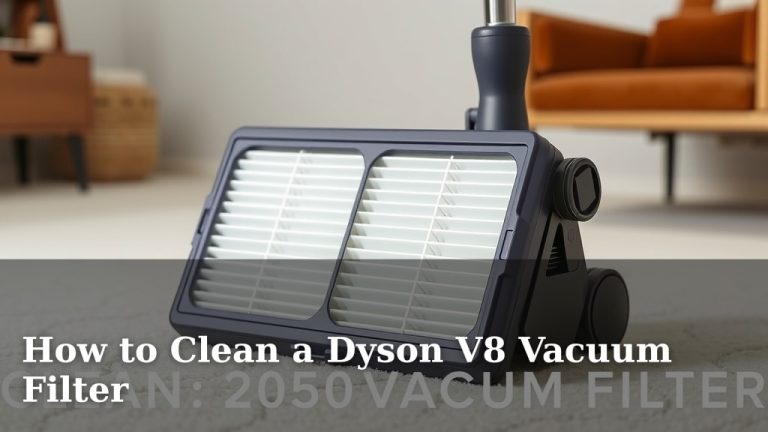
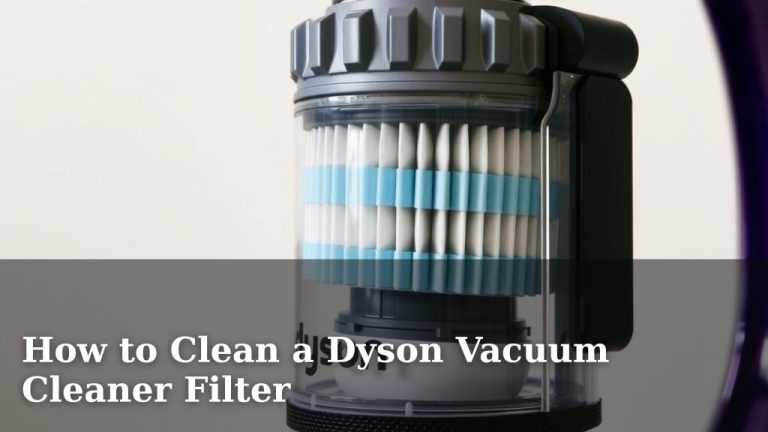
First, you need to find the filter. Most Dyson cordless vacuums have a filter located at the top of the cyclone assembly. It often looks like a cone or cylinder. Check your Dyson’s manual if you’re unsure of its exact location.
Removing the Filter
Once located, gently twist and pull the filter out. It usually comes off easily. Be careful not to force it. We found that some models might have a small release button or tab.
The Washing Process: Simple and Effective
This is the core of the cleaning process. You’ll only need water for this.
Rinsing with Cold Water
Run the filter under cold running water. Do not use hot water, as it can damage the filter material. Gently swirl the filter under the tap. Rinse until the water runs clear. This indicates most of the dust has been removed. Avoid using any soaps or detergents.
We found that some deeper grime might require a bit more attention. You can gently squeeze the filter to help dislodge stubborn particles. Just be sure to be gentle. The goal is to clean, not to tear or stretch the filter.
The Crucial Drying Stage
This step is absolutely vital. Never reinsert a wet filter into your Dyson. Doing so can cause serious damage to the vacuum’s internal components. Moisture can also lead to mold or mildew growth, which is unhealthy.
Air Drying Only
Place the clean, rinsed filter in a well-ventilated area. Allow it to air dry completely. This typically takes at least 24 hours. Some sources suggest up to 48 hours, depending on humidity. Never use a microwave, oven, or hairdryer to speed up the process.
We recommend placing it on a clean towel or rack. Ensure there’s good airflow around it. You should be able to see through the filter mesh when it’s fully dry. If it still feels damp, give it more time.
Reassembly: Putting It All Back Together
Once you’re certain the filter is bone dry, it’s time to put it back.
Reinserting the Dry Filter
Carefully align the filter with its housing. Push it gently until it clicks into place. Ensure it’s seated securely. Your Dyson is now ready to go!
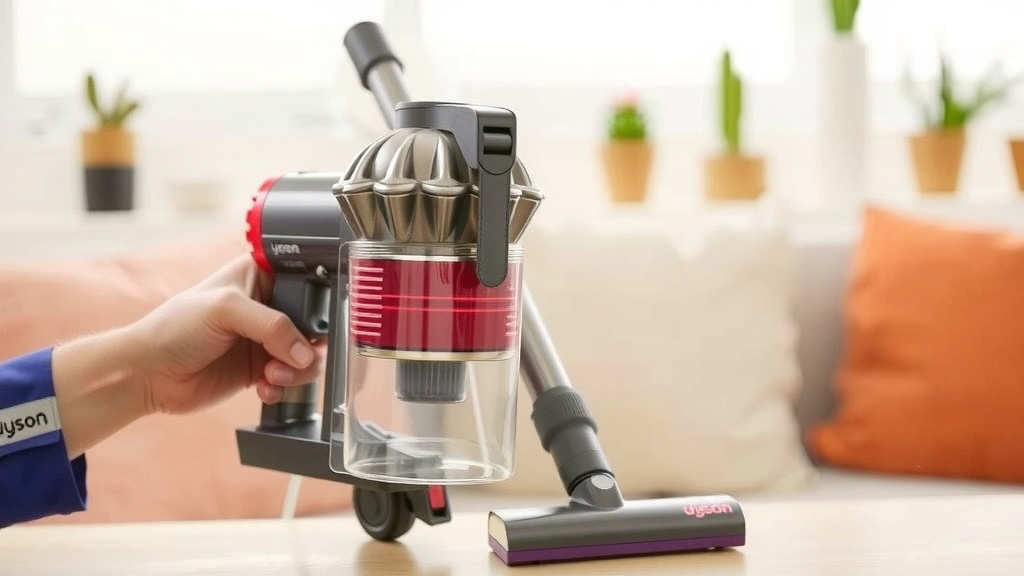
Filter Cleaning Checklist for Your Dyson
Follow this quick list to ensure you don’t miss a step:
- Locate and remove your Dyson filter.
- Rinse thoroughly with cold water until clear.
- Gently squeeze out excess water.
- Allow filter to air dry completely (24-48 hours).
- Confirm the filter is 100% dry.
- Reinsert the filter securely into your vacuum.
How Often Should You Clean Your Dyson Filter?
We found that most experts recommend cleaning your Dyson filter at least once a month. However, this can vary. If you have pets that shed a lot, or if someone in your household has allergies, you might need to clean it more often. Listen to your vacuum; if you notice a decrease in suction, it’s probably time for a clean filter.
Some Dyson models have specific filter indicators. Consult your user manual for any model-specific recommendations. For example, some sources suggest checking and cleaning the filter when you empty the bin. Making this a routine part of your cleaning schedule will keep your Dyson running smoothly.
Conclusion
You’ve learned how keeping your Dyson cordless vacuum filter clean is a simple yet powerful way to maintain its suction and extend its life. Remember, a little bit of water and some patience for drying makes a huge difference. Don’t let a clogged filter hold your vacuum back from performing its best. Follow the steps we’ve outlined, and you’ll be enjoying a cleaner home with a more efficient Dyson in no time.
Your next step is simple: check your filter today and give it that much-needed rinse. You’ll feel the difference!
Frequently Asked Questions
Can I use soap or detergent to clean my Dyson filter?
No, we strongly advise against using any soap or detergent. Research indicates that these cleaning agents can damage the filter material and reduce its effectiveness. Simply rinsing it thoroughly under cold running water is sufficient for most debris.
How long does it really take for a Dyson filter to dry?
Allowing at least 24 hours for air drying is essential, and sometimes up to 48 hours is needed depending on humidity levels. We found that even a slightly damp filter can cause harm to your vacuum’s motor, so patience here is key.
What happens if I put a wet filter back into my Dyson?
Putting a wet filter back can seriously damage your Dyson’s internal components due to moisture. It can also lead to the growth of mold and mildew, which isn’t good for your air quality or your vacuum. Always ensure it’s completely dry.
How often should I replace my Dyson filter instead of cleaning it?
While cleaning extends its life, Dyson filters don’t last forever. We’ve seen recommendations suggesting replacement every 6 to 12 months, depending on usage and how well you maintain it. If it looks worn, damaged, or you can’t seem to get it clean, it’s likely time for a new one.
My Dyson filter still doesn’t look very clean after rinsing. What should I do?
If rinsing alone doesn’t remove all the grime, you can gently squeeze the filter to help dislodge stubborn particles. Be very gentle to avoid stretching or tearing the material. If it remains heavily soiled or discolored, it might be time to consider replacing the filter.