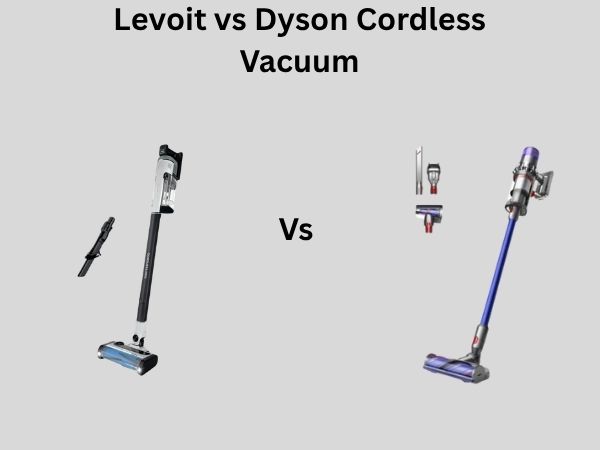
Levoit vs Dyson Cordless Vacuum: Is the Price Gap Worth the Performance?
When you’re standing in the appliance aisle or scrolling through online retailers, you’ve probably noticed something: cordless vacuums have become the darling of modern cleaning. But here’s the thing—not all cordless vacuums are created equal. Two names that keep popping up in conversations are Levoit and Dyson, and they’re about as different as night and day when it comes to price tags. So let’s dive into whether that hefty Dyson price premium actually translates to better cleaning performance, or if Levoit offers genuine value that punches above its weight class.
Understanding the Two Brands: Levoit and Dyson
Before we jump into the specifics, let’s get to know these companies. Dyson is the household name that practically invented the premium cordless vacuum market. They’ve been innovating in the air quality space for decades, and their brand carries that prestige factor. When someone says “expensive cordless vacuum,” most people think Dyson first.
Levoit, on the other hand, is the newer kid on the block—at least in terms of cordless vacuums. They’re primarily known for their air purifiers and other home appliances, and they’ve brought that expertise into the vacuum market. They position themselves as the smart alternative for people who want solid performance without breaking the bank.
Brand Heritage and Reputation
Dyson’s reputation is built on decades of research and development. They hold countless patents related to motor technology and filtration. Think of them as the innovators who set the standards that others follow. Their products aren’t just tools; they’re statements about commitment to quality.
Levoit, meanwhile, has built its name on providing value-oriented solutions. They’ve been incredibly successful in the air purification market, which shares many technological similarities with vacuum systems. Their foray into cordless vacuums is relatively recent, but they’re bringing proven engineering principles from their other products.
The Price Comparison: What Are You Actually Paying For?
Let’s address the elephant in the room: price. This is often the first thing people notice when comparing these two brands, and frankly, the gap is substantial.
Entry-Level Pricing
A typical Levoit cordless vacuum will run you somewhere between $200 to $400, depending on the model and any ongoing promotions. Compare this to Dyson’s entry-level cordless options, which typically start around $300 and can easily climb to $500 or more for their popular V-series models.
Now here’s where it gets interesting. That price difference isn’t arbitrary—it reflects different business philosophies. Dyson invests heavily in marketing, brand positioning, and cutting-edge technology development. Levoit keeps their overhead lower and passes some of those savings to consumers.
Premium Model Pricing
If you venture into the top-tier models, the gap widens even further. Dyson’s flagship vacuums can exceed $700, while Levoit’s most advanced models typically stay under $500. That’s a significant difference if you’re making a purchase decision based on budget.
Motor Power and Suction Technology: Where Engineering Matters
Here’s where we get into the technical nitty-gritty. Motor power is crucial because it determines how effectively a vacuum picks up debris.
Dyson’s Motorhead Technology
Dyson uses digital motors that spin at incredibly high speeds—around 100,000 RPM in some models. They’ve engineered these motors to generate powerful suction while remaining relatively compact. The company also pioneered the “motorbar” design, which allows them to create efficient motor performance in cordless applications.
The benefit here is impressive suction consistency. Dyson machines maintain their pulling power even as the battery depletes, which isn’t always true with competing models.
Levoit’s Approach to Power Generation
Levoit’s cordless vacuums also feature brushless DC motors, which is good engineering. They achieve decent suction levels—usually ranging from 140 to 160 air watts, depending on the model. While these numbers might seem lower than Dyson’s specifications, they’re actually quite competitive for the price point.
The key difference is that Levoit prioritizes battery efficiency alongside motor power. They’re trying to strike a balance between cleaning capability and runtime, whereas Dyson sometimes sacrifices extended runtime for maximum immediate power.
Battery Life and Runtime: The Practical Advantage
Here’s something that often gets overlooked in comparisons: battery performance. A vacuum with slightly less maximum suction but significantly better runtime might actually be more practical for your everyday life.
Dyson’s Battery Strategy
Most Dyson cordless vacuums provide between 20 to 60 minutes of runtime, depending on the model and power mode. Their V15 Detect, for example, claims up to 60 minutes, but that’s under ideal conditions with minimal power usage.
Here’s the honest truth: if you’re using maximum suction mode—which you’d likely use for carpet cleaning—you might realistically get 20 to 30 minutes. That’s sufficient for many homes, but it requires strategic planning if you have a larger property.
Levoit’s Battery Efficiency
Levoit models typically offer 30 to 40 minutes of runtime, and they’re pretty honest about these numbers. More importantly, they seem to maintain reasonably consistent suction throughout the battery’s lifespan, which is a sweet spot for many households.
Some Levoit models also feature removable batteries, meaning you can swap in a second battery and essentially double your runtime without waiting for a recharge. This is a practical advantage that many users find incredibly convenient.
Design and Ergonomics: How It Feels in Your Hand
Vacuuming is a physical activity, and ergonomics matter more than you might think. You’ll be holding this thing for 30 to 60 minutes, depending on your home’s size.
Dyson’s Design Philosophy
Dyson vacuums are beautifully engineered. They’re lighter than many comparable models, with excellent weight distribution. The trigger handle design has become iconic—and for good reason. It’s intuitive and reduces hand fatigue because you only maintain grip when actively pulling the trigger.
The overall aesthetic is premium. They look like they belong in a designer’s showroom, which appeals to a certain segment of consumers who view their vacuum as a home statement piece.
Levoit’s Practical Design
Levoit machines are also well-designed, but they take a slightly different approach. They tend to be marginally heavier than Dyson equivalents, but the weight distribution is still comfortable. Their handles feel sturdy without feeling excessive.
The design is more utilitarian—less about making a style statement and more about getting the job done efficiently. For many users, this practical approach is exactly what they want.
Filtration Systems: Air Quality Matters
A vacuum isn’t just about picking up visible dirt. It’s also about filtering out microscopic particles that would otherwise circulate through your home. This is especially important if you have allergies or asthma.
Dyson’s HEPA Filtration
Dyson has made air filtration something of a trademark. Many of their models feature sealed systems with HEPA filters that capture 99.99% of particles as small as 0.3 microns. This is legitimate high-end filtration technology.
The filter design is also washable, which reduces long-term maintenance costs. However, Dyson filters need regular cleaning to maintain performance, and replacement filters do cost money.
Levoit’s Filtration Approach
Levoit also incorporates HEPA filtration in their premium models. The filtration isn’t quite as extensively tested as Dyson’s claims, but it’s still respectable. Their filters are similarly washable and maintain good efficiency over time.
The advantage here is that Levoit replacement filters tend to be more affordable, which matters if you’re thinking about long-term ownership costs.
Attachment Versatility: Beyond Just Carpets
A cordless vacuum should be more than just a carpet cleaner. You want it to handle stairs, upholstery, and tight corners too.
Dyson’s Accessory Ecosystem
Dyson offers an impressive array of attachments and accessories. From motorized brush bars to crevice tools, their ecosystem is comprehensive. You can transform your vacuum into a handheld unit, handle stairs with ease, and clean upholstered furniture effectively.
The catch? These accessories often come at premium prices, sometimes as expensive as standalone tools from other brands.
Levoit’s Practical Accessories
Levoit also includes solid attachments with their models, though the range might be slightly less extensive than Dyson’s. What matters is that the included accessories are functional and well-made.
Most Levoit units come with everything you’d reasonably need, and additional attachments are more affordably priced if you want to expand your toolkit.
Real-World Cleaning Performance: Testing on Different Surfaces
Specifications are nice, but what really matters is how these machines perform in actual homes. Let’s look at different scenarios.
Carpet Cleaning Performance
On plush carpets, both brands excel. Dyson’s high motor speed creates aggressive suction that pulls deeply into carpet fibers. Levoit machines also clean carpets effectively, though they might require slightly more deliberate passes on heavily soiled areas.
For regular carpet maintenance, the difference is honestly minimal. Both will leave your carpet clean and refreshed.
Hard Floor Performance
This is where design differences become apparent. Dyson’s motorized brush bar provides excellent agitation on hard floors, but it can sometimes scatter fine particles. Levoit’s design tends to contain particles more effectively on hard floors.
Neither brand excels at hard floor cleaning compared to specialized hard floor vacuums, but both are competent enough for regular maintenance.
Upholstery and Stairs
For stairs, both brands require you to detach the main unit and use handheld mode. Dyson’s lighter design makes this slightly less tiring. For upholstery, the motorized brush attachments from both brands work well, though Dyson’s tend to be slightly more powerful.
Maintenance and Durability: Long-Term Considerations
You’re making an investment here, and you want it to last. Let’s talk about maintenance requirements and expected lifespan.
Dyson’s Maintenance Profile
Dyson machines require regular filter cleaning, and the bin empties into your trash (which is satisfying but creates dust). Components are generally durable, though some users report battery degradation over several years of heavy use.
Repairs can be expensive if something breaks after the warranty period, as Dyson components and repairs tend to be premium-priced.
Levoit’s Durability and Maintenance
Levoit machines seem to be built for longevity. Filter maintenance is similar to Dyson’s. The overall construction feels robust, and early reports suggest these machines maintain good performance over several years.
Repair costs and replacement parts are generally more affordable, which provides peace of mind over the product’s lifespan.
Warranty Coverage and Customer Support
Warranty terms reveal a lot about a company’s confidence in their products.
Dyson’s Warranty
Dyson offers a standard two-year manufacturer’s warranty on most models, with optional extended coverage available for purchase. Their customer service is responsive and professional.
Levoit’s Warranty
Levoit typically offers a similar two-year warranty, and their customer service reputation has been solid. Some models include extended warranty options as well.
Which Vacuum Is Right for Your Home?
This isn’t a matter of one brand being objectively better. It’s about matching the right vacuum to your specific needs and circumstances.
Choose Dyson If:
- You prioritize premium aesthetics and brand prestige
- You have a larger home and want maximum suction power
- You value the extensive accessory ecosystem
- You don’t mind premium pricing for top-tier engineering
- You want the lightest possible handheld option
Choose Levoit If:
- You want solid performance without excessive spending
- You value practical engineering over brand prestige
- You prefer longer effective runtime
- You’re concerned about long-term maintenance costs
- You appreciate straightforward functionality
The Verdict: Is the Price Gap Worth It?
Okay, let’s be direct. Is that $200 to $300 price gap worth paying for Dyson over Levoit? The honest answer is: it depends on your priorities.
If you’re purely focused on cleaning performance, the difference is marginal. Both machines clean effectively. Dyson offers slightly more power and sophistication in their engineering, but Levoit delivers 85-90% of that performance at a significantly lower cost.
Where Dyson justifies its premium is in brand reputation, design elegance, and the extensive accessory ecosystem. If these factors matter to you, then yes, the price gap is worth it. You’re paying for the badge and the entire experience, not just cleaning function.
Levoit, meanwhile, represents excellent value. You get a capable machine that handles everyday cleaning tasks without the premium markup. For budget-conscious consumers or first-time cordless vacuum buyers, Levoit offers terrific practical value.
Conclusion
The Levoit versus Dyson debate ultimately comes down to your personal values and circumstances. Dyson is the premium choice—a machine that balances impressive technology with iconic design and represents a lifestyle choice for many consumers. Dyson buyers aren’t just purchasing a vacuum; they’re investing in a brand legacy and proven engineering excellence.
Levoit is the smart choice for those who want excellent cleaning performance and solid reliability without the premium brand markup. They’ve proven that you don’t need to spend $500-700 to get a genuinely good cordless vacuum. Their machines are practical, efficient, and increasingly reliable based on user feedback.
My recommendation? If you have a budget ceiling of $300-400, Levoit is genuinely your better choice. You’ll get a solid machine and keep money in your pocket. If you can comfortably spend $500-700 and value premium aesthetics and brand prestige, Dyson’s engineering and design will likely satisfy you for years to come.
Whatever you choose, understand that both