Anova Vacuum Sealer vs FoodSaver: Which Should You Buy?
If you’re standing in front of your kitchen looking at vacuum sealer options, you’ve probably stumbled across two names that keep coming up: Anova and FoodSaver. Both have built solid reputations, but which one actually deserves a spot on your countertop? Let me walk you through everything you need to know to make an informed decision.
Introduction to Vacuum Sealers and Why They Matter
Think of a vacuum sealer as your kitchen’s time machine. It doesn’t literally stop time, but it comes pretty close. By removing air from around your food, these machines dramatically slow down oxidation and bacterial growth, keeping your meals fresher for weeks instead of days. Whether you’re a meal prep enthusiast, someone who buys in bulk, or just tired of throwing away spoiled food, understanding the difference between Anova and FoodSaver could save you hundreds of dollars annually.
Understanding the Basics: What Makes a Good Vacuum Sealer?
The Core Function You Should Understand
Before diving into the specifics of each brand, let’s talk about what actually separates a mediocre vacuum sealer from an excellent one. The magic happens in three key areas: seal consistency, suction power, and reliability. A machine that creates an inconsistent seal might save your food from spoilage one day and fail miserably the next. That’s not good enough when you’re trusting your appliance with your groceries.
Why Seal Consistency Matters
Imagine your vacuum sealer as a guardian protecting your food. A weak seal is like hiring a guard who falls asleep on the job. You need consistent, reliable pressure every single time. Both Anova and FoodSaver claim excellence here, but we’ll dig deeper into how they actually perform.
Anova Vacuum Sealer: Features and Performance
Design Philosophy and User Experience
Anova brings a modern, tech-forward approach to vacuum sealing. Their machines often feel like they belong in a contemporary kitchen, with sleek lines and intuitive interfaces. The brand has made a name for itself by combining functionality with aesthetic appeal, which matters if your appliances are visible on your countertop.
Sealing Speed and Efficiency
One thing you’ll notice immediately with Anova models is their responsiveness. The vacuum process feels quicker than many competitors, thanks to their powerful motors. Most Anova vacuum sealers can complete a seal in about 5-7 seconds, which adds up when you’re processing multiple bags of food. For someone preparing meals for the week, this efficiency genuinely matters.
Bag Compatibility
Here’s where Anova shows some flexibility. Many Anova vacuum sealers work with both their proprietary bags and standard vacuum sealer bags you can purchase from various retailers. This means you’re not locked into buying expensive branded bags exclusively, which is a significant advantage for your wallet over time.
Special Features You’ll Appreciate
- Pulse mode for delicate foods like chips or fresh herbs
- Marinating function that accelerates flavor infusion
- Multiple seal strength settings for different food types
- Handheld vacuum attachment for containers
- One-touch operation on some models
FoodSaver: The Established Player
Legacy and Market Position
FoodSaver isn’t a newcomer. They’ve been in the vacuum sealing game for decades, and that longevity means something. They’ve had years to refine their craft, listen to customer feedback, and build a loyal following. When people think “vacuum sealer,” FoodSaver often comes to mind first, similar to how some people call all tissues “Kleenex.”
Vacuum Power and Seal Quality
FoodSaver machines typically deliver robust suction power. Their motors don’t mess around, which is great for creating tight, reliable seals. The company has invested heavily in research around what actually keeps food fresh, and that expertise shows in their product design.
Ecosystem and Accessory Options
FoodSaver created an entire ecosystem around their machines. They offer specialized bags for different purposes, container options, and various attachments. If you want everything to work seamlessly together, FoodSaver provides that integrated experience. However, this integration comes with a caveat: you’re often committed to using their branded products.
Notable Features
- Automatic bag detection that adjusts settings
- Marinate mode available on premium models
- Freeze-drying capabilities on select models
- Roll bag storage within some units
- Multiple sealing modes
Comparing Seal Quality and Durability
The Real-World Seal Test
Here’s something important: both brands create seals that work. The question isn’t whether they’ll keep food fresh, but whether one does it more consistently and lasts longer in the process. Anova machines tend to create slightly faster seals, while FoodSaver machines deliver slightly more aggressive vacuum action. The practical difference? Minimal for most users, but noticeable when you’re sealing delicate items or working with liquids.
Long-Term Reliability
When looking at user reports across multiple years, both brands show good longevity. FoodSaver has the advantage of a longer track record, meaning more data about how these machines perform after years of use. Anova, being newer to the market, has fewer long-term reports, though early indicators suggest comparable durability.
Speed and Ease of Use
How Quickly Can You Actually Seal?
Time matters when you’re preparing meals. Anova machines typically complete the sealing cycle faster—usually 5-7 seconds compared to FoodSaver’s 8-10 seconds on average. If you’re sealing 50 bags, that could mean a 2-3 minute difference in total time. Whether that matters depends on how often you use the device.
User Interface and Learning Curve
Anova tends to feature more intuitive interfaces with clear button layouts and minimal learning curve. FoodSaver machines aren’t complicated, but some models require reading the manual to access certain features. If you value simplicity and want to start sealing within minutes of unboxing, Anova usually has the edge.
Bag Compatibility and Cost Considerations
The Ongoing Expense Factor
Here’s where your long-term costs diverge significantly. FoodSaver bags are specifically engineered for their machines and offer premium quality, but they cost more. A box of 20 quart-sized FoodSaver bags might cost $10-15. Anova machines often work with standard vacuum bags, which you can sometimes find for $5-8 per box. Over a year, if you seal twice weekly, that’s a $150-200 difference.
Bag Quality Differences
FoodSaver’s proprietary bags feature textured surfaces that create better seals with their machines. Standard bags work fine, but they don’t interlock quite as effectively. It’s the difference between a handshake and a firm handshake—both accomplish the goal, but one feels more secure.
Advanced Features and Technology
Marinating Mode: The Game-Changer
Both brands offer marinating functions on their premium models. This feature essentially reverses the vacuum process, allowing marinades to infuse into meat or vegetables in minutes instead of hours. If you frequently cook with marinades, this feature alone could justify your purchase.
Moisture Sensing Technology
FoodSaver’s premium models include sensors that detect excess moisture and adjust sealing accordingly. This prevents the vacuum from sucking liquids into the machine—a common problem with both brands if you’re not careful. Anova’s pulse mode achieves similar results but requires more manual adjustment.
Container and Accessory Integration
FoodSaver offers more accessory options out of the box. Their container compatibility is extensive, and they sell purpose-built containers for everything from sous vide cooking to cheese storage. Anova focuses on the core vacuum sealing function with fewer specialized accessories.
Design and Build Quality
What You’re Actually Touching
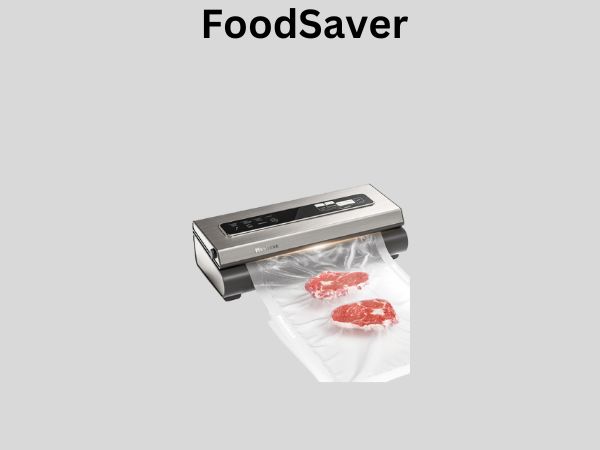
Anova machines feel contemporary and lightweight—they’re clearly designed for countertop visibility. The plastic construction is durable, but some users report that the aesthetic design sometimes comes at the cost of substantial heft. FoodSaver machines, particularly their mid-range and premium models, feel heavier and more substantial. That weight often translates to stability during operation.
Heat Seal Strips and Maintenance
Both brands use replaceable heat seal strips—the component that actually creates the seal. FoodSaver makes replacing this part straightforward, and replacement strips are widely available. Anova also supports replacements, though they’re less universally available. If you use your machine heavily, budgeting for eventual replacement of this part is wise.
Noise Levels and Practical Use
How Loud Are We Really Talking?
If you’ve ever used a vacuum sealer, you know they’re not silent. But some are quieter than others. FoodSaver machines typically operate around 75-80 decibels, roughly equivalent to a kitchen blender. Anova machines are comparable, sometimes slightly quieter depending on the specific model. If early mornings or quiet kitchens matter to you, neither brand is particularly silent, but both are manageable.
Warranty and Customer Support
Protection for Your Investment
FoodSaver typically offers a longer standard warranty—often 3-5 years depending on the model. Anova usually provides 1-2 year warranties. That extended coverage from FoodSaver reflects their confidence in longevity, or it could indicate they expect more issues to arise. Either way, longer warranty protection provides peace of mind.
Customer Service Experience
Both companies maintain customer support channels. FoodSaver has more established support infrastructure due to their market position, with easily accessible manuals and troubleshooting guides. Anova’s support is responsive but sometimes feels less established. If you anticipate needing support, FoodSaver’s resources are more robust.
Price Comparison and Value for Money
Entry-Level Options
Both brands offer affordable entry-level models around $50-80. At this price point, you’re making a statement that you want to try vacuum sealing without major investment. Both perform adequately at this tier, though you’re sacrificing some advanced features.
Mid-Range Sweet Spot
The real decision happens in the $100-200 range. Here’s where Anova often provides better value with modern features at slightly lower prices. FoodSaver dominates this range with proven reliability but higher costs. Your decision here depends on whether you prioritize cutting-edge features or established peace of mind.
Premium Models
At the high end, FoodSaver’s premium models justify their cost through extensive accessory ecosystems and advanced automation. Anova’s premium offerings are competitive but less developed in terms of add-ons and specialized features.
Real-World Applications and Use Cases
Meal Prepping on a Schedule
If you’re a meal prep enthusiast sealing 30-50 portions weekly, Anova’s faster sealing speed becomes genuinely valuable. Combined with their standard bag compatibility, you’ll save time and money. The faster cycle times compound over months of use.
Serious Home Cooking and Sous Vide
For sous vide cooking enthusiasts, FoodSaver’s specialized containers and moisture-sensing technology shine. If you’re regularly cooking with vacuum-sealed bags in water, FoodSaver’s ecosystem is worth the investment.
Bulk Buying and Long-Term Storage
Buying meat, vegetables, or other items in bulk requires confidence in your sealing. FoodSaver’s aggressive vacuum and proven track record make them slightly better for long-term storage of 2-3 months or longer.
Common Issues and Solutions
The Liquid Leakage Problem
Both brands occasionally struggle with liquids getting sucked into the machine. Solutions include using the pulse function, freezing marinades beforehand, or placing paper towels in the seal strip area. Anova’s pulse mode makes this easier, while FoodSaver’s moisture sensors help prevent it automatically.
Inconsistent Seals
If you’re getting occasional weak seals, the heat strip likely needs cleaning or replacing. Both brands’ strips are prone to residue buildup. Regular cleaning extends their life significantly.
Bag Feeding Issues
Some users report bags not feeding smoothly. This typically means the seal strip needs cleaning or the machine isn’t positioned correctly. Both brands address this in their manuals.
Final Verdict: Which Should You Actually Buy?
Choose Anova If You Value:
- Faster sealing cycles and modern design
- Lower overall operating costs with standard bags
- Intuitive interfaces and quick setup
- Contemporary aesthetics on your countertop
- Better value at mid-range price points
Choose FoodSaver If You Prioritize:
- Established brand with decades of trust
- Extended warranty coverage
- Comprehensive accessory ecosystem
- Robust long-term reliability data
- Advanced features like automatic moisture sensing
Honestly? If you’re buying your first vacuum sealer and want to maximize value, Anova edges ahead with faster operation, lower bag costs, and solid performance. If you’re a serious enthusiast willing to pay more for proven reliability and a complete ecosystem, FoodSaver justifies the investment.
The truth is, both machines will dramatically improve your food storage situation compared to traditional methods. You won’t regret either choice. The difference comes down to whether you value innovation and cost-efficiency or reliability an