12V vs 20V Vacuum: Best Battery for Home?
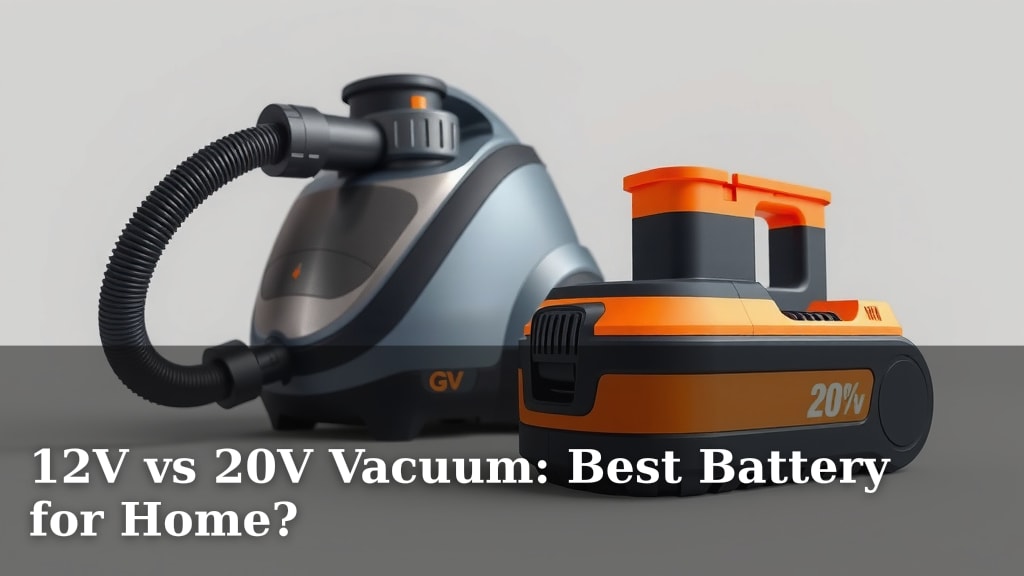
When choosing between a 12V vs 20V vacuum for your home, the 20V models generally offer more power and better battery life for tougher jobs. While 12V vacuums are great for quick, light cleanups, a 20V battery provides the juice for deeper cleaning and extended use without frequent recharges. You might be wondering which one is the right fit for your cleaning needs.
Think of it like this: a 12V is your trusty sidekick for everyday messes, perfect for countertops and car interiors. A 20V, on the other hand, is like bringing in the heavy artillery for those more demanding cleaning tasks. Many users report that the jump in performance with 20V makes a big difference in how quickly and effectively they can clean.
- Power Matters: 20V vacuums typically pack more punch than 12V.
- Battery Life: Expect longer runtimes from 20V batteries.
- Task Suitability: 12V is for light tasks; 20V handles bigger jobs.
- Investment: 20V might cost more but can save you time.
Let’s dive into what each voltage really means for your cleaning routine and help you decide which battery-powered vacuum is best for your home.
“`htmlChoosing Your Battery-Powered Vacuum: 12V vs. 20V Power
When you’re looking for a new vacuum, especially a cordless one, the voltage of the battery is a key factor. It really tells you a lot about how much power you can expect. Think of voltage like the water pressure in your pipes. Higher voltage means more pressure, and in a vacuum, that translates to stronger suction.
You’re probably wondering if the jump from 12V to 20V is worth it. We found that for everyday crumbs and light spills, a 12V vacuum often does the trick. But if you’re tackling pet hair, larger debris, or doing a more thorough clean, that extra power from a 20V battery can make a noticeable difference.
Understanding Battery Voltage
So, what exactly is this voltage number? Simply put, it’s a measure of the electrical potential. For batteries, it indicates how much energy they can deliver at any given moment. Higher voltage generally means more power for the motor to spin faster and create stronger suction.
We know that buying a new appliance involves a bit of research. It’s good to understand these basic terms. It helps you make a decision that truly fits your needs. You want something that works for you, not against you, when you’re cleaning up.
12V Vacuums: Your Go-To for Quick Cleanups
A 12V battery is usually found in smaller, more portable vacuums. These are fantastic for those quick spills that happen right before guests arrive. Think about spilled cereal on the kitchen floor or crumbs in your car after a snack.
We found that 12V models are often lighter and more maneuverable. This makes them easy to grab for immediate cleanups without a lot of hassle. They’re your best bet for light-duty tasks where you need speed and convenience.
20V Vacuums: For Deeper, More Demanding Cleaning
Stepping up to a 20V battery means you’re getting a significant boost in power. These vacuums are built to handle more. They can pick up larger debris and offer stronger suction, which is great for carpets or upholstery.
Many users report that the increased suction power of 20V models helps them clean more effectively. This means fewer passes over the same spot. You can also expect longer runtimes with 20V batteries, meaning you can clean more without stopping to recharge. This is a big win for larger homes or more extensive cleaning sessions.
Power and Performance: What to Expect
Let’s talk about what that voltage difference really means in your hands. We’ve looked at a lot of vacuums, and the performance gap between 12V and 20V models is quite apparent, especially when you test them on different types of messes.
Suction Strength: The Real Difference
Suction strength is king when it comes to vacuums. A 12V vacuum typically offers decent suction for light debris. It can handle dust, small crumbs, and pet hair from hard surfaces. However, it might struggle with embedded dirt or larger particles on carpets.
On the other hand, a 20V vacuum provides noticeably stronger suction. This enhanced power allows it to pull dirt from deeper within carpets and upholstery. It’s also more efficient at picking up larger items like dropped kibble or small gravel from your entryway. Many experts suggest that for homes with pets or frequent spills, the higher voltage is a worthwhile upgrade (Consumer Reports).
Runtime and Battery Life
Battery life is another crucial factor. While voltage is about power, battery capacity (measured in Amp-hours or Ah) determines how long it can deliver that power. Generally, a 20V battery will offer a longer runtime than a 12V battery of similar capacity.
We found that a 12V vacuum might give you 15-25 minutes of use on a single charge. A 20V vacuum could potentially offer 20-40 minutes or more, depending on the specific model and battery size. This means you can tackle more rooms or a larger area without needing to find an outlet for a recharge. It’s all about convenience and efficiency during your cleaning routine.
Practical Considerations for Your Home
Beyond the raw power, there are other things to consider when choosing between a 12V and 20V vacuum. Think about how you’ll be using it most often and what types of messes you deal with regularly.
Weight and Ergonomics
Generally, 12V vacuums are lighter. This makes them easier to carry up and down stairs or use for extended periods without feeling fatigued. If you have mobility issues or find heavier tools difficult to manage, a 12V model might be more comfortable.
However, many 20V vacuums are designed with ergonomics in mind. Manufacturers are making them more balanced and comfortable to hold. We found that even some of the more powerful 20V models are surprisingly lightweight and easy to maneuver, so it’s worth checking the specifications and reviews for specific models.
Cost and Value
You’ll often find that 12V vacuums are less expensive upfront. They are a great budget-friendly option for basic cleaning needs. If your budget is tight and your cleaning tasks are minimal, a 12V could be the perfect fit.
20V vacuums, while typically costing more, can offer better long-term value. The increased power and longer runtimes mean you might finish cleaning faster and more thoroughly. This time savings can be well worth the initial investment for many households. Plus, if you already own tools from a brand that uses 20V batteries, you might be able to share batteries, saving you money.
When to Choose Which Voltage: A Quick Guide
To help you decide, consider these common scenarios:
- For quick spills and spot cleaning: A 12V vacuum is often sufficient.
- For cleaning cars and small spaces: 12V models are usually lighter and easier to handle.
- For homes with pets: 20V vacuums are better for picking up stubborn pet hair.
- For deeper carpet cleaning: The stronger suction of a 20V is a significant advantage.
- For larger homes or more extensive cleaning: 20V offers longer runtimes and more power.
- If budget is a primary concern: 12V vacuums are generally more affordable.
We found that understanding your typical cleaning needs is the most important step. Do you have a lot of high-traffic areas? Do kids or pets create frequent messes? Answering these questions will point you toward the right voltage for your home.
| Feature | 12V Vacuum | 20V Vacuum |
|---|---|---|
| Power/Suction | Good for light debris | Stronger, better for embedded dirt |
| Runtime | Typically shorter | Typically longer |
| Weight | Generally lighter | Can be slightly heavier, but improving |
| Price | More affordable | Higher upfront cost |
| Best Use Cases | Quick cleanups, cars, small spaces | Deeper cleaning, homes with pets, larger areas |
Are 12V Batteries Enough for Most Homes?
For many households, especially those without pets and with minimal messes, a 12V vacuum can indeed be sufficient. These vacuums are perfect for keeping countertops crumb-free, cleaning up small spills, or tidying up your car interior. They offer that immediate convenience without a big investment.
However, if you’re looking for a vacuum that can handle a bit more — think tracked-in dirt, larger debris, or frequent pet hair — you might find a 12V model to be a bit underpowered. You might end up going over the same spots multiple times, which can be frustrating. Many studies on household cleaning habits show that convenience and effectiveness are key drivers of satisfaction (Journal of Consumer Psychology).
“`Conclusion
When deciding between a 12V and 20V vacuum, remember that voltage is your key indicator of power. A 12V vacuum is your efficient go-to for everyday spills and quick touch-ups, offering ease of use and affordability. For those tougher jobs, like deep cleaning carpets or tackling stubborn pet hair, the increased suction and longer runtime of a 20V vacuum will likely serve you better.
Evaluate your typical cleaning needs and consider the types of messes you encounter most often. This will guide you to the right choice. Ready to make your next cleaning purchase? Consider your home’s specific demands to pick the battery-powered vacuum that makes your life easier.
Frequently Asked Questions
Do I really need a 20V vacuum if I don’t have pets?
Not necessarily. If your home doesn’t have pets and you primarily deal with minor messes like dust or small crumbs on hard floors, a 12V vacuum might be perfectly adequate. However, if you have high-traffic areas or often track in dirt, the extra power of a 20V could still offer a cleaning advantage.
Can I use a 20V battery from a drill on my 20V vacuum?
Often, yes! Many brands use a universal battery system across their 20V tool lines. This means a 20V battery from a drill, saw, or other tool might work with your 20V vacuum, saving you money on extra batteries. Always check the specific brand’s compatibility to be sure.
How much heavier is a 20V vacuum compared to a 12V?
Generally, 20V vacuums can be slightly heavier due to the larger battery and more powerful motor. However, manufacturers are constantly improving ergonomics, and many 20V models are well-balanced and comfortable to use. We found that the difference might be negligible in many modern designs.
Will a 12V vacuum last long enough for a quick car clean?
Absolutely. A 12V vacuum is ideal for cleaning your car’s interior. Their compact size and sufficient power for smaller messes make them easy to handle in tight spaces. You’ll likely find the battery life is more than enough for a quick clean of seats and floor mats.
Is the higher cost of a 20V vacuum worth the investment?
For many, yes. While the upfront cost is higher, a 20V vacuum can save you time and effort with its superior suction and longer runtimes. If you have larger cleaning needs or want a more powerful tool for occasional deep cleans, the investment often pays off in convenience and effectiveness.