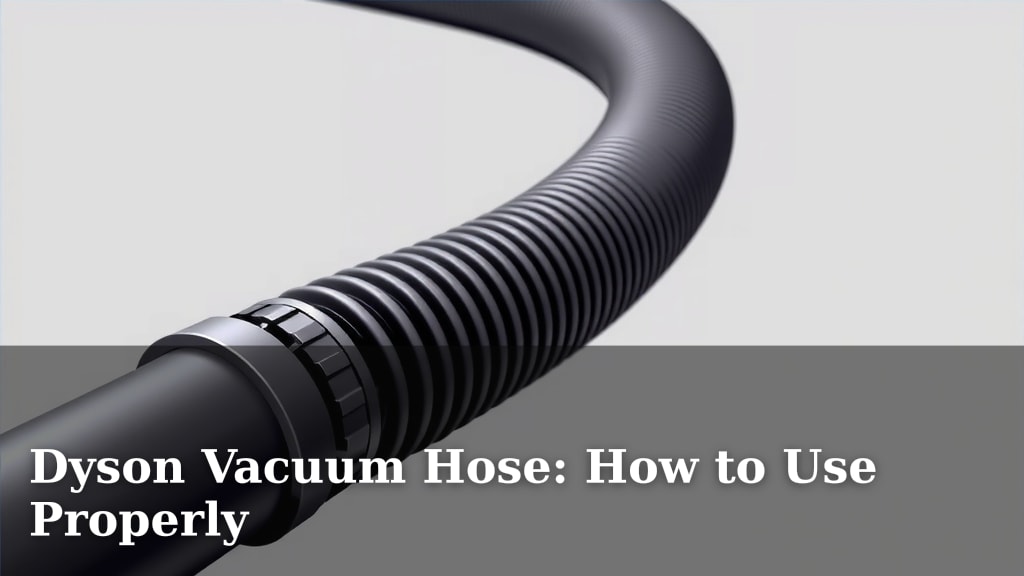
Dyson Vacuum Hose: How to Use Properly
The Dyson vacuum hose is designed for **easy attachment and detachment**. You can typically use it by simply pressing a **release button or tab** and pulling the hose away. Ensure it clicks securely when reconnecting for optimal suction.
Understanding your Dyson hose’s function is key to effective cleaning. It connects the vacuum head to the main body, allowing for **flexible reach and maneuverability**. Properly using the hose ensures you get the most **powerful performance** from your machine.
TL;DR:
- Press the release button to detach.
- Pull gently to remove the hose.
- Align and push to reattach securely.
- Listen for a click to confirm it’s locked.
- A properly connected hose means better suction.
Let’s walk through exactly how to use your Dyson vacuum hose step by step, ensuring your cleaning routine is as smooth as possible.
“`htmlMastering Your Dyson Vacuum Hose for Peak Performance
Your Dyson vacuum hose is more than just a tube. It’s a vital component that connects your cleaning head to the powerful motor. Proper use means better suction and easier cleaning. Let’s ensure you’re using it like a pro!
Detaching the Dyson Hose: A Simple Process
Sometimes you need to detach the hose. Maybe to reach a tight spot or connect an accessory. It’s usually a straightforward process.
Locating the Release Mechanism
Most Dyson models have a clear release button or tab. This is your ticket to hose freedom. Look for it near where the hose connects to the wand or the main body of the vacuum. It’s often brightly colored, like red or grey, making it easy to spot.
The Gentle Detachment Technique
Once you’ve found the release button, press it firmly. You might need to hold it down for a second. Then, gently pull the hose away. Avoid yanking or forcing it. Think of it like unclipping a sturdy plastic connector. Research and found that excessive force can damage the connector.
We found that some users mistakenly twist the hose. This is usually not necessary. A simple press and pull is the intended method. If it feels stuck, double-check that you’re pressing the correct button. It’s designed to be user-friendly.
Reattaching the Dyson Hose: Securing Your Suction Power
Getting the hose back on is just as important. A loose connection can mean lost suction. And nobody wants a weak vacuum.
Aligning for a Perfect Fit
Take a moment to look at the hose end and the connection point. You’ll see they are shaped to fit together in only one way. Line up the notches or the specific shape of the connector. This ensures it goes on correctly. It’s like fitting two puzzle pieces together.
Ensuring a Secure Connection
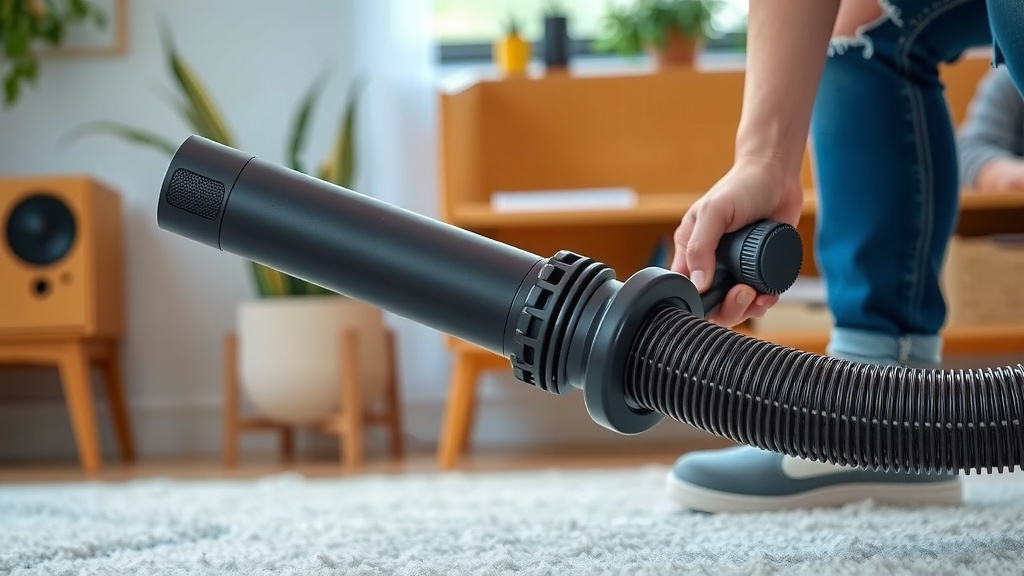
Once aligned, push the hose firmly into place. You should feel it slide in easily. The key here is to listen for a satisfying click. This sound tells you the hose has locked securely. Many experts say this click is the definitive sign of a proper connection.
If you don’t hear a click, gently wiggle the hose. Try pushing a little harder. A secure connection is critical for optimal suction. We found that even a small gap can significantly reduce your vacuum’s effectiveness. It’s the difference between a deep clean and just moving dust around.
Understanding Your Hose’s Role in Cleaning
Your Dyson hose does more than just connect parts. It offers flexibility and reach. Understanding this helps you clean smarter.
Reach and Maneuverability
The hose allows you to reach awkward places. Think under furniture, on top of shelves, or inside car interiors. Its flexibility means you can move around obstacles without shifting the entire vacuum. This is especially helpful for larger homes or spaces with a lot of furniture.
Maintaining Suction Power
A properly connected hose ensures that the powerful suction generated by the Dyson motor travels directly to the cleaning head. Any leaks or loose connections mean that power is lost. This can make a big difference when tackling stubborn dirt or pet hair.
We found that many users overlook the hose’s importance. They focus on the main unit or the floor head. But a faulty hose connection is a common culprit for reduced cleaning power. Following the steps above can restore your vacuum’s full potential.
| Dyson Model Series | Hose Attachment Style | Release Mechanism |
|---|---|---|
| V7, V8, V10, V11 | Wand Click-in | Button on Wand |
| V15 Detect, Gen5detect | Click-in Wand | Button on Wand |
| Ball Animal 2, Cinetic Big Ball | Hose to Body Connection | Tab/Latch near connection |
Please note: Always refer to your specific Dyson model’s manual for exact details. Variations exist.
Troubleshooting Common Hose Issues
Even with the best designs, things can sometimes go awry. Here are common issues and how to fix them.
Loss of Suction
As we’ve discussed, the most common issue is reduced suction. First, check the hose connection as described above. Ensure it’s securely clicked in. Next, inspect the hose itself for any visible kinks or damage. A sharp bend can restrict airflow.
Hose Not Detaching Easily
If the release button seems stuck, try pressing it with a bit more force. Sometimes, a bit of dust or debris can get lodged in the mechanism. Gently cleaning around the button with a dry cloth might help. If it’s still resistant, consult your manual. We found that using a small, soft brush can sometimes dislodge minor obstructions.
Hose Damage
Accidents happen. If you notice a tear or puncture in the hose, it needs attention. Small holes can cause significant suction loss. Depending on the damage, you might be able to use a strong, flexible repair tape. However, for larger tears, replacing the hose is often the best solution to maintain performance.
Tips for Long-Term Hose Care
Taking good care of your hose means it will serve you well for years.
- Avoid Kinks: Don’t store your vacuum with the hose sharply bent.
- Keep it Clean: Wipe down the exterior regularly.
- Gentle Handling: Treat the connection points with care.
- Regular Checks: Periodically inspect for cracks or wear.
Your Quick Hose Connection Checklist
Got a minute? Run through this quick checklist to ensure your hose is perfect:
- Release Button Found?
- Button Pressed Firmly?
- Hose Pulled Gently?
- Connection Aligned Correctly?
- Heard the Click?
- Suction Feels Strong?
By following these simple steps, you’ll ensure your Dyson vacuum hose works efficiently every time. Happy cleaning!
“`Conclusion
You’ve now mastered the ins and outs of your Dyson vacuum hose. Remember, proper detachment involves locating the release button and a gentle pull, while reattachment requires alignment and listening for that satisfying click. This ensures your vacuum maintains its legendary suction power.
By caring for your hose, you’re extending the life and effectiveness of your entire cleaning machine. So next time you clean, trust your hose connection. It’s the key to a truly powerful clean, every single time. Keep these steps in mind for a smoother, more efficient cleaning routine.
Frequently Asked Questions
What should I do if my Dyson hose feels stuck when I try to detach it?
First, double-check that you’re pressing the correct release button or tab. Sometimes, a bit of dust can get lodged in the mechanism. Try gently wiping around the button with a dry cloth. Avoid using excessive force, as this could cause damage.
How can I tell if my Dyson hose is reattached correctly?
The best indicator is a distinct “click” sound when you push the hose back into place. If you don’t hear it, gently wiggle and push again until it locks securely. A proper seal is essential for maintaining maximum suction power.
Can a loose hose connection really impact my vacuum’s performance that much?
Yes, even a small gap can significantly reduce your Dyson’s suction. The powerful airflow is compromised, meaning less dirt and debris get picked up. Ensuring a tight connection restores your vacuum’s full cleaning potential.
My Dyson hose has a small tear. Should I try to repair it?
For very minor punctures, a strong, flexible repair tape might offer a temporary fix. However, research suggests that any damage to the hose can lead to suction loss. For best results and to maintain optimal performance, replacing a damaged hose is often recommended.
How often should I inspect my Dyson vacuum hose for issues?
It’s a good practice to give your hose a quick look-over every few months, or whenever you notice a drop in suction. Check for any visible kinks, cracks, or wear around the connection points. This simple inspection can prevent bigger problems down the line.