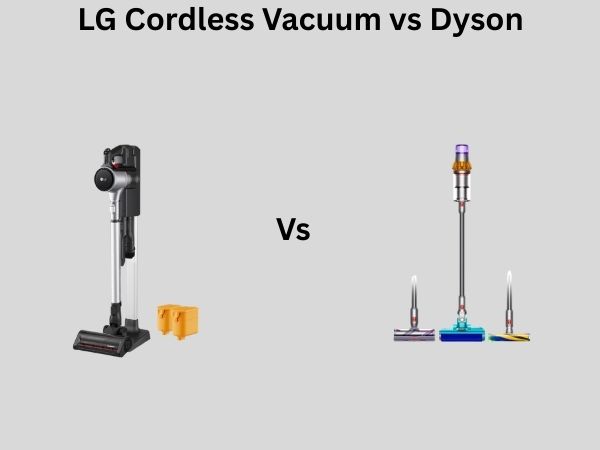
LG Cordless Vacuum vs Dyson: Comparing the Titans of Cordless Cleaning
When you’re standing in the appliance aisle trying to decide between LG and Dyson cordless vacuums, you’re essentially choosing between two powerhouses that have revolutionized how we clean our homes. But here’s the thing—just because both are excellent doesn’t mean they’re equally suited for your lifestyle. Let me walk you through everything you need to know to make an informed decision.
Understanding the Market Leaders
The cordless vacuum market has exploded over the past decade, and two names consistently rise to the top: LG and Dyson. Why? Because they’ve both invested heavily in innovation, battery technology, and customer satisfaction. But they didn’t take the same path to get here, and understanding their philosophies will help you choose the right one for your home.
Brief History of Both Brands in Cordless Cleaning
Dyson essentially created the cordless vacuum market as we know it. They pioneered the concept of ditching cords and embracing cordless convenience back in the early 2000s. They’ve had years to refine their craft, and it shows in their product lineup.
LG, on the other hand, entered the cordless vacuum game more recently but brought their considerable expertise in battery technology and consumer electronics to the table. They’ve been catching up remarkably fast, and their models now compete directly with Dyson’s offerings in many categories.
Battery Technology: The Heart of Cordless Performance
Here’s where things get really interesting. The battery is essentially the soul of any cordless vacuum, and both companies have made different choices about how to power their machines.
LG’s Battery Approach
LG leverages its extensive experience in battery manufacturing, particularly with lithium-ion technology. Their cordless vacuums feature powerful batteries that often deliver impressive runtime—sometimes up to 80 minutes on a single charge depending on the model. What’s particularly clever about LG’s approach is their focus on battery longevity. Their batteries are designed to retain 80 percent of their capacity even after multiple years of use.
The charging time for LG models is typically reasonable, usually between 3.5 to 5 hours for a full charge. For many households, this means you can charge overnight and have a fully powered vacuum ready for the next day.
Dyson’s Battery Strategy
Dyson takes a somewhat different approach with their battery systems. Many Dyson models use proprietary battery designs, and while they offer solid runtime—typically ranging from 40 to 60 minutes—the battery management system is quite sophisticated. Dyson’s batteries are engineered to deliver consistent power throughout the charge cycle, meaning you won’t experience a significant drop-off in suction power as the battery depletes.
However, Dyson batteries tend to be more expensive to replace, which is an important consideration if you’re thinking long-term. The charging time is generally faster than LG, often completing in 2.5 to 3.5 hours.
Suction Power and Performance Comparison
Let’s get down to brass tacks—how well do these vacuums actually clean your floors?
LG Cordless Vacuum Suction Strength
LG’s cordless models pack impressive suction power, often measured at around 200AW (air watts) in their premium models. This is genuinely powerful and handles everything from light dust to deep carpet cleaning effectively. What impressed me about LG models is their consistent performance. They maintain their suction strength well throughout the battery life, and they’re particularly effective on carpet.
The airflow design in LG vacuums is thoughtfully engineered to prevent clogging, which means consistent performance even as dust accumulates in the bin.
Dyson Suction Strength
Dyson models are renowned for their exceptional suction power, with some premium models delivering upward of 250AW. If you’re dealing with particularly stubborn debris or have lots of carpet, this extra power can make a noticeable difference. Dyson’s V-series and newer models are legitimately impressive in raw cleaning power.
The digital motor technology in Dyson vacuums creates that distinctive high-pitched whine that many people associate with power. Whether that’s a pro or con depends on your noise tolerance.
Design and Ergonomics
LG Vacuum Design Philosophy
LG has focused on creating vacuums that are genuinely comfortable to use for extended periods. Their handles are ergonomically designed, and the weight distribution is quite good. Most LG cordless models weigh between 5 to 7 pounds, making them manageable for most people, including those with mobility concerns.
The designs tend toward a sleek, modern aesthetic that looks less industrial than some competitors. The dustbin is intuitively placed, and emptying it is generally a straightforward, hygienic process with minimal mess.
Dyson Design and Comfort
Dyson vacuums are instantly recognizable with their distinctive design language. They’re typically slightly heavier than comparable LG models, ranging from 6 to 8 pounds. For some users, this isn’t a problem—for others, especially during extended cleaning sessions, it can become tiring.
The design is undeniably futuristic and has become a status symbol of sorts in the vacuum world. The trigger-activated power system takes some getting used to, as you’re essentially squeezing the handle to maintain suction, which some find tiring and others prefer for the power control it offers.
Filtration Systems and Air Quality
LG’s Filtration Technology
LG cordless vacuums feature multi-stage filtration systems that are particularly good at capturing fine particles. Their cyclone technology works alongside HEPA filters to ensure that what comes out of the exhaust is cleaner air. This is especially important if anyone in your home suffers from allergies or asthma.
The filters are generally easy to access and clean, which is a practical advantage that makes maintenance simple.
Dyson’s Filtration Approach
Dyson uses sealed-system filtration that’s remarkably effective. Their HEPA-based filters capture 99.99 percent of microscopic particles, making them an excellent choice for households with allergy sufferers. The downside is that the filters can be pricier to replace and sometimes harder to access than on competing models.
Attachment and Accessory Options
LG Cordless Vacuum Attachments
LG models come with a respectable selection of attachments including combination tools, crevice tools, and motorized brush heads. The attachments generally feel well-constructed and perform their intended functions capably. Some premium LG models include specialized tools for pet hair and upholstery.
Dyson Accessory Ecosystem
Dyson has developed an extensive ecosystem of attachments and accessories. Whether you need a mattress tool, a motorized head for pets, or a wall-mounted dock, Dyson offers it—for a price. The compatibility is excellent, but building out the full accessory collection can add significant expense to your initial purchase.
Noise Levels and User Experience
Let’s talk about something that doesn’t always make it into reviews but absolutely should—how loud is this thing?
LG cordless vacuums operate at around 80 to 85 decibels, depending on the model and power setting. This is reasonably quiet for a vacuum and allows you to clean without disturbing family members or neighbors.
Dyson models tend to run louder, typically between 85 to 90 decibels. If you’re sensitive to noise or frequently clean during early mornings or late evenings, this is worth considering.
Price Comparison and Value Proposition
LG Pricing Structure
LG cordless vacuums generally position themselves as the value-conscious choice without sacrificing quality. Entry-level models start around $400 to $500, while premium models with all the bells and whistles might reach $900 to $1,100. This pricing makes LG accessible to more households while still offering advanced features.
Dyson Pricing
Dyson models are premium-priced, often starting around $600 and climbing to $1,400 or more for their flagship models. You’re paying for the brand heritage, the advanced technology, and the comprehensive warranty they typically offer.
Maintenance and Long-Term Costs
Here’s something critical that many people overlook when making their purchase decision: maintenance costs add up over time.
LG Maintenance Requirements
LG vacuums are designed to be user-friendly when it comes to maintenance. Filters are affordable to replace, typically costing $20 to $40. The overall service and repair ecosystem is developing well, with parts becoming increasingly available through various retailers.
Dyson Maintenance Costs
Dyson battery replacements can cost between $200 to $400, which is substantial. Filters, while durable, are also pricier than many alternatives, typically running $30 to $50. However, Dyson’s warranty coverage is generally generous, which helps offset these costs.
Pet Hair Handling Capability
Do you have furry friends at home? This matters more than you might think.
LG’s motorized brush heads are surprisingly effective at tackling pet hair, and the larger dustbin capacity means fewer empties when you’ve got shedding season happening. Some users report that LG performs especially well on pet hair compared to its price point.
Dyson also excels at pet hair removal, particularly with their specialized pet tool attachment. The suction power ensures hair doesn’t stand a chance, though the higher cost of specialized attachments should be factored in.
Smart Features and Technology Integration
Modern vacuums are becoming increasingly connected, and both brands have embraced this trend.
LG has integrated smart home compatibility into some of their models, allowing app-based monitoring and control. However, their smart feature offerings aren’t as extensive as some competitors.
Dyson has developed more sophisticated smart features in certain models, including app controls, filter change notifications, and battery health monitoring. These features add convenience and help with maintenance tracking.
Warranty and Customer Support
When something goes wrong, how well does the company have your back?
Dyson typically offers comprehensive warranties covering the motor and battery for up to 5 years on some models. Their customer service reputation is solid, though they can be selective about what they’ll cover.
LG warranties are generally competitive, usually offering 2 to 3 years of coverage. Their customer service has been improving, and they’re increasingly competitive in supporting their customers post-purchase.
Real-World Performance Scenarios
Apartment Living
If you’re in an apartment, the LG’s quieter operation and lighter weight make it a compelling choice. The shorter runtime is less of an issue for most apartments unless you have extensive carpeting.
Large Houses
For larger homes, Dyson’s stronger suction and slightly longer runtime can be advantageous, though you’ll need to weigh this against the higher cost and weight.
Allergy Sufferers
Both brands offer excellent filtration, but Dyson’s sealed system has a slight edge for those with severe allergies.
Budget-Conscious Buyers
LG wins this category decisively, offering excellent performance at a more accessible price point.
Conclusion
Choosing between LG and Dyson cordless vacuums isn’t about picking the objectively better brand—it’s about identifying which vacuum better serves your specific situation. LG offers impressive performance, excellent value, quieter operation, and lower long-term maintenance costs. They’re the smart choice for budget-conscious buyers who don’t want to sacrifice quality and for those who prioritize ease of use and maintenance.
Dyson, meanwhile, delivers premium engineering, exceptional suction power, sophisticated technology, and a well-established reputation. They’re ideal for those willing to invest more upfront for perceived prestige, cutting-edge features, and years of refined design.
Neither choice is wrong. Your perfect cordless vacuum depends on your home size, budget, flooring types, and whether you have pets or family members with allergies. Consider your needs honestly, weigh the factors that matter most to you, and you can’t go wrong with either brand.
Frequently Asked Questions
How long do cordless vacuum batteries typically last before needing replacement?
Most cordless vacuum batteries, whether from LG or Dyson, retain about 80 percent of their capacity after 300 to 500 charge cycles, which typically translates to 2 to 4 years of regular use. After that point, while they still function, you might notice reduced runtime. LG batteries tend to degrade slightly slower than some competitors, while Dyson batteries, though pricier to replace, maintain decent longevity with proper care.
Which brand is better for allergies and asthma?
Both LG and Dyson offer excellent filtration with HEPA capabilities, but Dyson’s sealed-system approach captures 99.99 percent of microscopic particles, giving it a slight edge for severe allergy sufferers. That said, LG’s multi-stage filtration is genuinely impressive and more than adequate for most households dealing with allergies. If budget is a consideration, LG provides excellent allergy protection without the premium price.
Can I use these vacuums on hardwood floors?
Absolutely, both work well on hardwood, though you’ll want to use the appropriate attachment. LG models come with combination tools that work decently on hard surfaces, while Dyson offers specialized hard floor tools as attachments. The key is ensuring you’re using a non-motorized brush head to avoid scratching your floors. Both brands handle this reasonably well out of the box.
How do the runtimes compare in real-world cleaning?
LG models often advertise 60 to 80 minutes of runtime, though this varies significantly based on the power setting and floor type. Dyson typically offers 40 to 60 minutes, but maintains more consistent suction throughout the charge. In practice, for most average homes, both provide sufficient runtime for a complete cleaning session. LG’s longer runtime is particularly beneficial for larger homes.
Are replacement parts readily available for both brands?
Dyson parts have been available through multiple channels for years and are widely distributed. LG parts are increasingly available as their market share grows, but availability might not be quite as universal depending on your location. If you prefer the assurance of easy parts availability, Dyson has the established infrastructure, though you’ll pay a premium. LG is rapidly improving in this regard.
“`