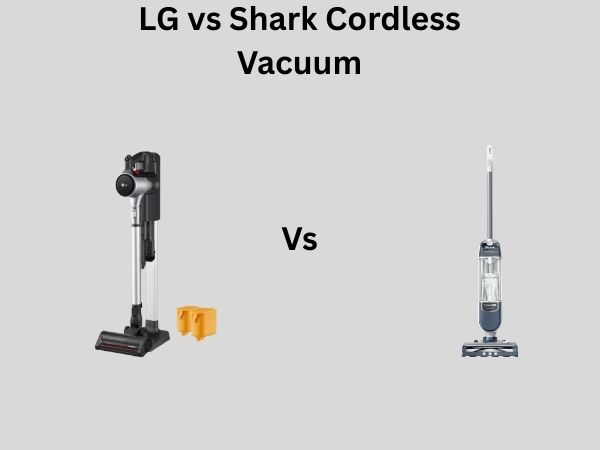
LG vs Shark Cordless Vacuum: Premium Luxury vs Practical Performance
When you’re standing in the appliance aisle trying to decide which cordless vacuum will become your cleaning companion, you’re faced with a choice that’s more complicated than it seems. On one side, you’ve got LG, a brand synonymous with cutting-edge technology and luxury. On the other, there’s Shark, the practical performer that’s been winning over households for years. But which one actually deserves a spot in your home? Let me walk you through this comprehensive comparison that’ll help you make an informed decision.
Understanding the Cordless Vacuum Revolution
The cordless vacuum market has exploded over the past decade, and for good reason. These devices have transformed how we think about home cleaning. Gone are the days when you had to drag around a heavy upright vacuum or deal with tangled cords snaking across your floors. Today’s cordless models offer freedom, flexibility, and surprisingly powerful suction. But not all cordless vacuums are created equal, and the differences between premium brands and practical performers can be substantial.
Why Cordless Vacuums Matter in Modern Homes
Think about your daily life. You need to clean your living room, but you also need to tackle those stairs, reach under the couch, and maybe even clean your car. A traditional vacuum with a cord simply can’t match the versatility of a cordless model. The convenience factor alone has made cordless vacuums incredibly popular, but when you’re choosing between LG and Shark, you’re really making a statement about what matters most to you in a cleaning appliance.
LG Cordless Vacuums: The Premium Experience
LG has built its reputation on innovation and luxury across all its appliances. When they entered the cordless vacuum market, they brought that same philosophy with them. LG vacuums aren’t just cleaning tools—they’re statements about embracing advanced technology in your home.
Design Philosophy and Aesthetics
Walk into any home with an LG cordless vacuum, and you’ll immediately notice the difference. These machines look like they belong in a modern, sophisticated home. The design is sleek, minimalist, and dare I say, beautiful. LG has invested heavily in making their vacuums visually appealing because they understand that home appliances aren’t hidden away anymore—they’re visible, and they contribute to your home’s overall aesthetic. The attention to detail in the finish, the carefully chosen materials, and the thoughtful ergonomic design all point to a company that sweats the small stuff.
Technology and Innovation Features
This is where LG truly differentiates itself. LG cordless vacuums often come equipped with features you won’t find on competing models. Smart sensors that detect dust levels, AI-powered cleaning modes that adjust suction automatically, and advanced filtration systems that capture particles smaller than you might think possible. LG has also experimented with rotating brush designs and airflow patterns that maximize cleaning efficiency. If you’re someone who loves having the latest technology at your fingertips, LG delivers that satisfaction.
Battery Life and Charging
LG batteries are engineered for longevity. Many LG cordless vacuums offer impressive runtime—some reaching up to 80 minutes on a single charge on the lowest setting. However, here’s the reality: if you’re using maximum suction, you’re looking at 20 to 40 minutes of cleaning time. The charging systems are fast, sometimes offering a full charge in just a few hours. LG also designs their batteries to degrade slowly over time, meaning your vacuum should maintain reasonable performance for several years.
Suction Power and Cleaning Performance
When it comes to raw cleaning power, LG vacuums deliver impressive suction measurements. Many models boast 200 Air Watts or higher, which translates to excellent performance on both hard floors and carpets. The motor is quiet relative to its power output, which is another engineering achievement. However, you’ll pay a premium for this performance.
Shark Cordless Vacuums: Practical Power on a Budget
Shark has built its brand on a simple promise: deliver powerful cleaning performance without the premium price tag. While LG is chasing the luxury market, Shark is focused on the practical majority who want results, not glamour.
Brand Philosophy and Market Position
Shark understands something fundamental: most people care more about whether their vacuum actually cleans their home than whether it looks like a piece of modern art. This philosophy drives every design decision. Shark vacuums are functional, tough-looking, and unabashedly focused on performance. They’ve positioned themselves as the brand for real people with real cleaning challenges, whether that’s pet hair, thick carpets, or high-traffic areas.
Build Quality and Durability
Shark vacuums feel sturdy. They’re constructed to handle everyday wear and tear, which means they’re often heavier and more robust than their LG counterparts. Some might see this as less elegant, but others appreciate the tank-like construction. You’re getting the sense that this machine can handle whatever you throw at it. The materials may not be as refined as LG’s choices, but they’re selected for durability and value.
Construction Materials
Shark uses high-quality plastics and metals strategically placed for durability. While you won’t find premium aluminum or luxury finishes, the construction ensures your vacuum will likely last through years of regular use. The dustbin is large, the motors are built for continuous operation, and the overall engineering prioritizes functionality over form.
Battery Performance and Runtime
Shark cordless vacuums typically offer between 40 and 60 minutes of runtime, depending on the model and suction setting. While this is less than some LG offerings, it’s generally sufficient for most household cleaning sessions. The batteries are replaceable, which gives your vacuum a longer effective lifespan. Charging times are reasonable, usually between 3 to 5 hours for a full charge. The real advantage here is cost—replacement batteries are significantly cheaper than LG alternatives.
Suction and Cleaning Capability
Don’t let the lower price fool you. Shark vacuums pack impressive suction power, often measuring between 150 and 200 Air Watts depending on the model. They excel at picking up pet hair, embedded dirt, and debris from all floor types. Real-world testing shows that Shark vacuums clean just as effectively as more expensive models in most situations. The difference isn’t as dramatic as the price gap might suggest.
Direct Comparison: Key Factors to Consider
Price Point and Value Proposition
This is perhaps the most obvious difference. LG cordless vacuums typically range from 1,500 to 3,000 dollars depending on features and capabilities. Shark models usually fall between 400 and 800 dollars. That’s a massive price difference. The question isn’t which is objectively better—it’s which offers better value for your specific situation. If you’re budget-conscious, Shark delivers remarkable performance for the money. If money is no object and you want the absolute best technology, LG justifies its premium.
Maintenance and Replacement Parts
Here’s something people often overlook. LG replacement parts can be expensive. Filters, brush heads, and batteries command premium prices because they’re designed for premium machines. Shark parts are notably more affordable. If you’re calculating total cost of ownership over five to ten years, the gap between LG and Shark narrows considerably once you factor in maintenance costs.
Filter Replacement and Cleaning
Both brands use washable filters, which is good for long-term cost savings. However, LG filters are pricier when replacement becomes necessary. Shark’s filter replacement costs less than half of LG’s typical pricing. If cleaning regularly to maintain performance, both will last years before replacement, but eventually, replacement becomes necessary.
Noise Levels
LG’s premium engineering has resulted in quieter operation. Most LG models operate between 65 and 75 decibels. Shark models typically range from 70 to 85 decibels. This difference is noticeable. If you have young children who nap or you’re sensitive to noise, LG’s quieter operation might be worth the premium. If you’re primarily using it when noise doesn’t matter, Shark’s performance is acceptable.
Versatility and Attachment Options
Both brands offer multiple attachments—crevice tools, upholstery brushes, motorized floor heads, and more. LG typically includes more sophisticated attachments and sometimes offers smart features on specialized heads. Shark’s attachments are simpler but equally effective. If you need maximum versatility for specialized cleaning tasks, LG edges ahead. For basic household cleaning, both are equally capable.
Pet Hair Performance: A Critical Factor
If pet hair is a primary concern in your home, this deserves special attention. Shark has built a reputation as an excellent choice for pet owners. Their motorized brush heads are specifically designed to capture pet hair without tangling excessively. LG also performs well with pet hair, but some users report slightly better results with Shark’s specialized pet hair tools.
Tangle-Free Brush Rolls
Both brands offer innovations to prevent hair tangling in the brush roll. Shark’s approach tends to be more aggressive, with wider spacing designed specifically for longer hair. LG’s designs are elegant but sometimes require slightly more frequent cleaning. If you have multiple pets, this performance difference might tip the scales toward Shark.
Hard Floor vs Carpet Cleaning
Your flooring situation significantly impacts which vacuum makes more sense. LG models excel on hard floors with their powerful suction and precision controls that adjust automatically. Shark models also perform well on hard floors but sometimes require manual suction adjustment. For thick carpeting, both deliver excellent results. The real differentiator is how smoothly each handles transitions between surface types.
Smart Flooring Detection
LG’s sensor technology can automatically detect whether you’re cleaning carpet or hard floors and adjust suction accordingly. This is convenient but not essential. Shark requires manual adjustment, which takes only a moment but requires user awareness. Neither approach is dramatically superior—it’s more about convenience preference.
Warranty and Customer Support
LG typically offers comprehensive warranties reflecting their premium positioning. Most come with 2-3 year coverage on major components. Shark usually offers 1-2 year warranties. Customer support is responsive from both companies, though LG’s support tends to be slightly more extensive. If warranty coverage matters to you, LG provides peace of mind, though honestly, both warranties are adequate.
Real-World Cleaning Scenarios
Scenario One: Small Apartment with Hard Floors
In this situation, Shark makes exceptional sense. Your cleaning demands are modest, your floors are easy to maintain, and the 40-minute runtime is perfectly adequate. You’ll save 1,500 dollars while getting a vacuum that handles the job excellently. LG feels like overkill.
Scenario Two: Large House with Mixed Flooring and Pets
Here, the equation changes. You need battery life for extended cleaning sessions, specialized pet hair tools, and seamless transition between floor types. Either vacuum works, but LG’s technology provides additional convenience that becomes genuinely valuable in this scenario.
Scenario Three: Minimalist Home with Technology Preference
If your aesthetic and your tech preferences align with premium brands, and you appreciate having the latest innovations in your space, LG delivers on multiple levels beyond just cleaning performance. You’re paying for an experience, not just functionality.
Environmental Considerations
LG has invested in more efficient motors that use less energy. Their batteries are engineered for longevity, reducing the number of replacements needed over the vacuum’s lifetime. Shark’s longer-lasting battery options also reduce waste, and their affordability means fewer vacuums end up in landfills prematurely. Both approaches have environmental merit, just from different angles.
Making Your Final Decision
Choosing between LG and Shark really comes down to three fundamental questions. First, what’s your budget realistically? If you have significant disposable income and love having advanced technology, LG makes sense. If you want to allocate your cleaning budget wisely, Shark is the rational choice. Second, what specific cleaning challenges does your home present? Pet hair demands, large spaces requiring extended runtime, or aesthetic preferences matter. Third, how important is the ownership experience? Do you want cutting-edge technology and elegant design, or just a reliable tool that does the job?
Conclusion
There’s no objectively correct answer when comparing LG and Shark cordless vacuums. LG represents premium luxury, advanced technology, and refined aesthetics—it’s the choice for those who want the absolute best and are willing to pay for it. Shark represents practical value, dependable performance, and smart spending—it’s the choice for those who care primarily about results and budget consciousness. Both brands deliver excellent cleaning performance that will serve your household well. LG vacuums are better if you value innovation and design as integral parts of your home environment. Shark vacuums are better if you want maximum cleaning capability for minimum financial investment. Consider your specific needs, budget constraints, and cleaning challenges, and you’ll make a choice you’re comfortable with for years to come.
Frequently Asked Questions
Is LG’s higher price justified by superior cleaning performance?
Not entirely. While LG vacuums offer impressive features and refined engineering, Shark models deliver remarkably similar cleaning performance at a fraction of the cost. LG’s premium is partially justified by innovative technology and design, but real-world cleaning results are comparable. The justification depends on whether you value those additional features and aesthetic qualities enough to warrant the price difference.
How long do battery packs typically last on each brand?
LG battery packs often maintain 80% of their original capacity after 500 charge cycles, which could translate to 5-7 years of regular use. Shark batteries have similar longevity. However, Shark batteries are significantly cheaper to replace, making long-term ownership more affordable even as batteries eventually degrade.
Which brand is better for pet owners?
Shark has a slight edge for pet owners due to their specialized pet hair attachments and motorized brush heads specifically designed to handle animal hair without excessive tangling. LG performs excellently with pet hair too, but Shark’s focus on this market segment means their solutions are highly optimized for this challenge.
Can you use these vacuums on all floor types?
Yes, both LG and Shark cordless vacuums work effectively on hard floors, tile, laminate, and carpeting. LG’s automatic floor detection provides convenience, but Shark’s manual adjustment works just as well. Both include appropriate attachments for different surfaces, and both excel across all standard floor types found in most homes.
What’s the realistic runtime for daily cleaning tasks?
For typical household cleaning at moderate suction settings, LG models provide 50-70 minutes of runtime, while Shark models offer 30-50 minutes. Most average household cleaning sessions take 20-40 minutes, so both provide sufficient battery life. LG’s longer runtime matters mainly if you have large homes or multiple cleaning sessions in succession.
“`