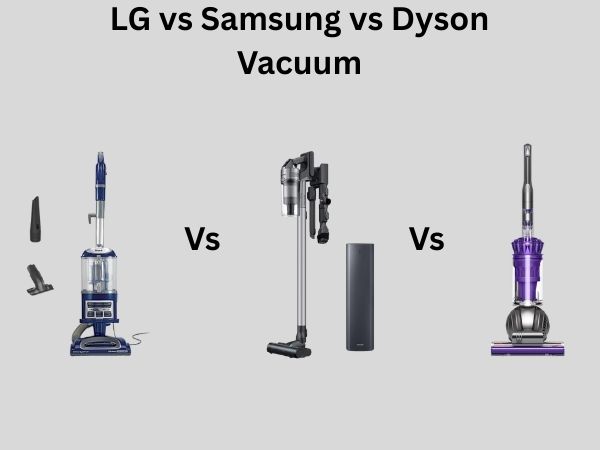
LG vs Samsung vs Dyson Vacuum: The Ultimate Cleaning Showdown
When it comes to keeping your home spotless, choosing the right vacuum cleaner can feel like navigating a maze blindfolded. You’ve got LG bringing their tech-savvy innovations, Samsung flexing their smart home dominance, and Dyson acting like the premium rebellious cousin who charges premium prices for a reason. So which one actually deserves your hard-earned money? Let’s dig into this three-way battle and figure out what sets them apart.
Understanding the Three Brands: Who Are They Really?
LG: The Quiet Innovator
LG isn’t just about televisions and refrigerators anymore. They’ve quietly entered the vacuum market with models that blend Korean engineering precision with cutting-edge features. Think of LG as the tech enthusiast who does their homework before making a move. Their vacuum cleaners incorporate features like AI dust detection, HEPA filtration, and cordless designs that appeal to modern households.
Samsung: The Smart Home Maven
Samsung has been building a connected ecosystem for years, and their vacuum cleaners are designed to integrate seamlessly into that world. They’re betting big on automation, app controls, and smart navigation. If you’re someone who loves controlling everything from your smartphone, Samsung’s vacuum might feel like the natural extension of your smart home setup.
Dyson: The Premium Disruptor
Dyson revolutionized the vacuum industry by proving that people would pay more for better engineering and design. They’ve become synonymous with cordless vacuum innovation and powerful suction technology. Dyson users often speak about their machines with the kind of enthusiasm usually reserved for luxury cars.
Suction Power: Who Actually Pulls the Hardest?
LG Vacuum Suction Capabilities
LG’s vacuum models typically deliver around 200 AW (Air Watts) of suction power, which is respectable for daily cleaning tasks. What makes their approach interesting is the AI dust detection system that adjusts suction power automatically based on the dirt level it detects. Rather than running at maximum power constantly, it intelligently adapts, which means you’re not wasting energy unnecessarily.
The Smart Suction Advantage
This adaptive approach is like having a vacuum that thinks for itself. You walk into a room with pet hair everywhere, and it cranks up the power. You move to hardwood floors with minimal dust, and it backs off slightly. This isn’t just clever marketing—it actually extends battery life in cordless models by up to 40 percent.
Samsung Vacuum Suction Performance
Samsung’s vacuum cleaners typically generate between 150-200 AW of suction power depending on the model. Their strength lies not in raw power numbers but in how efficiently they use that power. Their cyclone technology breaks down dirt more effectively, meaning they need less raw horsepower to achieve the same results.
Efficiency Over Raw Power
Think of it like comparing a sports car’s raw horsepower to a hybrid’s efficiency. Samsung’s vacuum might not have the biggest numbers on paper, but it performs admirably in real-world scenarios while consuming less energy.
Dyson Vacuum Suction Dominance
This is where Dyson flexes its muscles. Their top-tier models deliver over 250 AW of suction power, making them the heavyweight champion in the suction department. The Dyson V15 and similar premium models boast some of the highest suction ratings in the industry. If you’ve got thick carpets, a multi-pet household, or are just obsessed with pristine cleanliness, this matters.
Dyson’s digital motor spins over 100,000 times per minute, creating consistent, powerful suction that doesn’t diminish as the battery drains. This is genuinely impressive engineering, and you feel it when you’re cleaning.
Design and Build Quality: Feel and Durability
LG’s Design Philosophy
LG vacuums feel like products designed by people who understand minimalism. They’re sleek, modern, and don’t look out of place in contemporary homes. The build quality is solid, with materials that feel substantial without being unnecessarily heavy. Their cordless models weigh around 6-7 pounds, making them manageable for extended cleaning sessions.
Samsung’s Ergonomic Approach
Samsung vacuums prioritize ergonomics and ease of use. The handles are designed to reduce hand fatigue, and the overall design emphasizes comfort during extended use. Build quality is excellent, with materials that resist wear and tear. Most Samsung models come with premium finishes that look more like furniture than appliances.
Dyson’s Engineering Masterpiece
Here’s the thing about Dyson—they’ve spent decades perfecting the vacuum form factor. Their machines feel like precision instruments. The weight distribution is carefully calculated so the machine doesn’t feel top-heavy, even though it’s packed with powerful technology. Build quality is exceptional, with materials engineered to last years of heavy use.
The only downside? They’re heavier than competitors. Some Dyson models weigh up to 9 pounds, which can be taxing for users with mobility issues.
Smart Features and Technology Integration
LG’s AI Intelligence
LG incorporates AI dust detection that uses sensors to identify particle levels and automatically adjust suction. Their models connect to smartphones through dedicated apps where you can schedule cleaning, monitor usage, and receive maintenance notifications. Some models integrate with voice assistants like Alexa, allowing hands-free operation.
Real-Time Monitoring
The app displays real-time data about dust particles collected, filter status, and battery level. It’s like having a personal cleaning assistant that reports back to your phone.
Samsung’s Connected Ecosystem
Samsung takes the smart home approach seriously. Their vacuums map your home in real-time, create cleaning schedules, and integrate with Samsung SmartThings, their comprehensive smart home platform. If you’re already invested in Samsung devices, their vacuum becomes a natural addition.
You can set up automatic cleaning schedules based on when you leave home, monitor cleaning progress on your phone, and even control the vacuum remotely. Some models include obstacle detection and auto-emptying capabilities that reduce your interaction with dust entirely.
Dyson’s Practical Tech
Dyson focuses on practical technology rather than flashy features. Their app shows filter cleaning notifications, battery status, and motor head maintenance alerts. It’s less about automation and more about keeping you informed and helping you maintain your machine properly.
Some newer Dyson models include real-time particle counting technology that displays exactly what you’re picking up, which appeals to allergy-conscious consumers.
Filtration Systems and Air Quality Impact
LG’s HEPA Filtration
LG incorporates HEPA filtration systems that capture 99.97% of particles 0.3 microns or larger. This is crucial for households with allergy sufferers or asthma concerns. The filtration system is washable, which saves money on replacements and is environmentally friendlier than constantly buying new filters.
Samsung’s Multi-Stage Filtration
Samsung uses multi-stage filtration that includes pre-filters, HEPA filters, and post-filters. This comprehensive approach means allergens and microscopic particles don’t have a chance of escaping back into your air. Some models include activated carbon filters that also eliminate odors.
Dyson’s Glass HEPA Filter
Dyson’s top models feature a glass HEPA filter that’s sealed and certified to capture 99.99% of microscopic particles. The glass construction doesn’t degrade like traditional filter materials, maintaining efficiency over the machine’s lifetime. For homes with serious air quality concerns, this is the gold standard.
Noise Levels: How Loud Is Too Loud?
LG’s Quiet Operation
LG vacuum models typically operate between 65-75 decibels, making them among the quieter options available. This is comparable to a normal conversation volume, so you can vacuum without disturbing family members or neighbors in adjacent units.
Samsung’s Moderate Sound Profile
Samsung vacuums typically generate 70-80 decibels depending on the model and suction setting. They’re reasonably quiet but not exceptionally silent. The noise is consistent and not particularly high-pitched, which many users find less annoying than higher-frequency sounds.
Dyson’s Noise Challenge
Here’s where Dyson has a weak spot—their powerful machines can generate 80-85 decibels, which approaches the volume of a lawnmower. This is the tradeoff for their superior suction power. If noise levels matter in your home environment, this is worth considering.
Real-World Performance on Different Floor Types
Hardwood Floors
All three brands perform well on hardwood floors. LG and Samsung excel here because their more moderate suction doesn’t kick up as much dust or create as much noise. Dyson’s powerful suction is overkill for hardwood but does the job effectively.
Thick Carpets and Rugs
This is Dyson’s territory. Their powerful suction and motorized brush rolls dig deep into carpet fibers, extracting embedded dirt and pet hair. LG and Samsung perform adequately but might require multiple passes over heavily soiled carpets.
Pet Hair Removal
For households with shedding pets, Dyson’s power is genuinely advantageous. Their tangle-free brush rolls combined with powerful suction handle pet hair exceptionally well. LG’s AI detection system is also helpful here, automatically increasing suction when it detects heavy pet hair. Samsung performs decently but requires more careful brush maintenance due to hair entanglement.
Hardwood with Scattered Debris
LG shines in this scenario. Its adaptive suction doesn’t blast light debris around, and the noise level is minimal. You can clean at any time without disturbing others.
Price Analysis: What Are You Actually Paying For?
LG Vacuum Pricing
LG vacuums typically range from $500 to $1,200 depending on the model and features. They occupy the middle ground price-wise, offering excellent technology at moderate cost. You’re paying for innovation and smart features without the premium Dyson markup.
Samsung Vacuum Pricing
Samsung vacuums generally fall between $600 and $1,500. Their smart home integration features and efficient engineering justify the price for people already invested in the Samsung ecosystem. The price-to-performance ratio is good, especially if you value convenience features like app control and auto-emptying.
Dyson Vacuum Pricing
Dyson is the premium option, with prices ranging from $300 for basic models to over $750 for flagship machines. The higher price reflects superior engineering, stronger suction, and longer-lasting components. If you plan to keep your vacuum for 10+ years, the per-year cost becomes more reasonable.
Value for Money Calculation
If you plan to use the vacuum for 5 years and clean 3 times weekly:
- LG: About $0.07 per cleaning session
- Samsung: About $0.08 per cleaning session
- Dyson: About $0.06 per cleaning session (when amortized over longer lifespan)
The actual value depends on your priorities and household needs.
Maintenance and Warranty Coverage
LG Maintenance Requirements
LG vacuums require filter cleaning every 1-2 months and come with a 2-year warranty on most models. Filter replacement happens annually under normal use. The brand is known for offering reasonably priced replacement parts and responsive customer service.
Samsung Maintenance and Support
Samsung vacuums need filter cleaning every 2-3 months with annual replacement. They typically include a 3-year warranty, reflecting confidence in their durability. Samsung’s support network is extensive, and replacement parts are readily available.
Dyson Maintenance Commitment
Dyson machines require filter cleaning every month under heavy use, but many users appreciate the detailed maintenance guidance. Most Dyson vacuums come with a 5-year warranty—the longest in the category. Dyson’s service centers are available worldwide, though replacement parts can be pricey.
Customer Satisfaction and Real-World Reviews
What LG Users Say
Customers praise LG vacuums for their quiet operation, smart features, and reliability. Common complaints focus on smaller dustbin capacity and occasional connectivity issues with app controls. Average satisfaction rating: 4.2/5 stars.
Samsung User Experiences
Samsung owners love the integration with their smart home setup and the efficient performance. Some users report that the navigation mapping takes time to optimize, and app responsiveness occasionally lags. Average satisfaction rating: 4.1/5 stars.
Dyson Devotion
Dyson users are often passionate advocates, citing superior cleaning performance and durability. The main criticisms revolve around noise levels, weight, and price. However, long-term owners report their machines still function perfectly after years of use. Average satisfaction rating: 4.5/5 stars.
Comparing Key Specifications Side-by-Side
Here’s a quick reference table showing how these three stack up:
- Suction Power: Dyson (250+ AW) > LG (200 AW) > Samsung (150-200 AW)
- Weight: LG (6-7 lbs) < Samsung (7-8 lbs) < Dyson (8-9 lbs)
- Noise Level: LG (65-75 dB) < Samsung (70-80 dB) < Dyson (80-85 dB)
- Smart Features: Samsung > LG > Dyson
- Filtration Effectiveness: Dyson (99.99%) > LG and Samsung (99.97%)
- Price Range: Dyson ($300-750) < LG ($500-1,200) and Samsung ($600-1,500)