LG vs Dyson Cordless Vacuum: Which One Should You Buy This Year?
When it comes to keeping your home spotless, choosing the right cordless vacuum can feel like standing at a crossroads with equally compelling options in both directions. I’ve spent considerable time researching and comparing two major players in the cordless vacuum market: LG and Dyson. Both brands have earned their reputations, but they approach cleaning in distinctly different ways. So which one deserves a spot in your home? Let’s dig into this comparison and find out.
Understanding the Cordless Vacuum Revolution
Remember when cordless vacuums were just a novelty? Those days are long gone. Today’s cordless models rival their corded counterparts in power and performance. The freedom of movement and convenience factor have made them essential for modern households. But not all cordless vacuums are created equal, and that’s precisely why comparing specific brands matters.
LG CordZero: Innovation Meets Practicality
LG’s entry into the cordless vacuum market came relatively recently, but they’ve made quite an impression. The LG CordZero line represents their commitment to blending cutting-edge technology with everyday cleaning needs. What makes LG stand out is their unique approach to solving common cordless vacuum problems that have plagued consumers for years.
The Dual Battery System That Changes Everything
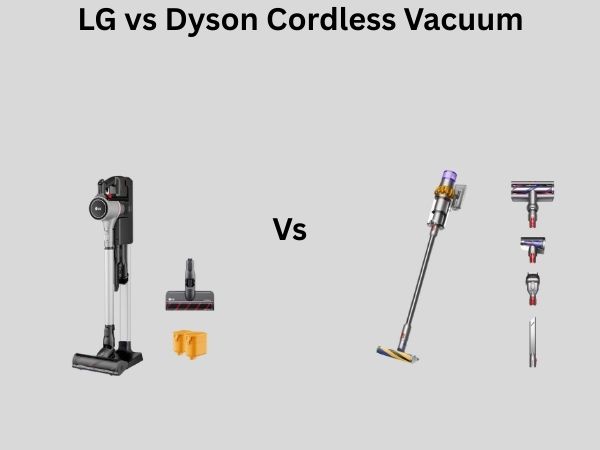
One of LG’s most clever innovations is their dual battery system. Here’s the thing: traditional cordless vacuums require you to wait for a battery to charge before you can vacuum again. With LG’s design, you get two batteries—one powers your cleaning while the other charges simultaneously. It’s like having a backup dancer ready to jump in whenever needed. This means you’re never stuck waiting around for your vacuum to be ready for action.
The battery life on LG models typically ranges from 60 to 120 minutes depending on the specific model and power setting. For most households, this is more than sufficient to clean an entire home without interruption.
Design and Handling Features
LG vacuums tend to be lighter in weight compared to some competitors. They’ve engineered them to be easy to maneuver, which matters more than you might think, especially if you have multiple floors or stairs in your home. The handle design is ergonomic, and frankly, after using an LG for a while, switching to a heavier model feels like a step backward.
The dustbin capacity is respectable, though not the largest in the market. Most LG models hold between 0.7 to 0.8 liters of dust and debris.
Cleaning Power and Performance
Where does LG’s suction power stack up? It’s genuinely impressive. Their models deliver strong suction across different floor types, from hard floors to carpet. The motor technology they use provides consistent power throughout the battery life, meaning you won’t experience that gradual decline in performance toward the end of a cleaning session.
Dyson: The Premium Pioneer
Dyson essentially invented the cordless vacuum category. They’ve been perfecting this technology for over a decade, and it shows. When people think premium cordless vacuums, Dyson often comes to mind first. But premium also means premium pricing, which is an important factor in any purchasing decision.
Dyson’s Digital Motor Technology
The heart of every Dyson is their proprietary digital motor. These motors spin at incredibly high speeds—we’re talking over 100,000 revolutions per minute. The result? Exceptional suction power that remains consistent. Dyson models typically generate between 185 to 200 air watts of power, which is genuinely formidable.
But here’s what I find interesting: more power doesn’t always equal better cleaning. Sometimes it’s about efficiency and how that power is distributed and utilized.
Battery Performance and Runtime
Dyson’s battery technology has improved dramatically over the years. Their newer models offer runtime ranging from 30 minutes on maximum power to over 60 minutes on lower settings. Unlike LG’s dual battery approach, Dyson went with a single powerful battery system. You charge it, use it, and wait for it to charge again.
For those with larger homes or commercial cleaning needs, this could be a limitation. However, Dyson batteries are known for their longevity and durability over multiple years of use.
The Dyson Advantage in Design
Dyson vacuums have a distinctive design aesthetic that many people love. They feel premium because they’re built with premium materials. The engineering precision is evident in every detail, from the attachment systems to the filter mechanisms.
Weight-wise, some Dyson models are heavier than their LG counterparts, which might affect comfort during extended cleaning sessions.
Head-to-Head Comparison: Key Performance Metrics
Suction Power and Cleaning Effectiveness
In terms of raw suction power, Dyson holds a slight edge. However, LG vacuums clean equally well on practical applications. The difference becomes noticeable mainly with deeply embedded pet hair or when dealing with thick carpets. For everyday household cleaning, both perform admirably.
Battery Life and Charging
This is where LG’s dual battery system really shines. You’ll have continuous cleaning capability without waiting for recharges. Dyson’s single battery system means you’ll need to charge between sessions if you’re vacuuming a large space. The edge goes to LG for convenience.
Weight and Maneuverability
LG generally offers lighter models that are easier to handle. If you have stairs, elderly household members, or just prefer a less fatiguing cleaning experience, LG wins this round. Dyson models are still manageable, but they demand more physical engagement.
Noise Level
Both brands have worked on noise reduction, but they operate at similar decibel levels—typically around 80-85 dB. If you’re sensitive to noise, neither is particularly quiet, though both are quieter than traditional corded vacuums.
Filtration System
Dyson’s filtration is exceptional, capturing microscopic particles with remarkable efficiency. LG also offers strong filtration, particularly benefiting those with allergies. The difference is marginal for most users.
Price Comparison: What Are You Really Paying For?
This is the conversation where budgets get real. Dyson cordless vacuums typically range from $300 to over $750 depending on the model and attachments. LG CordZero models usually fall between $400 to $650, so they’re not necessarily cheaper—just positioned differently in the market.
The question becomes: are you paying for innovation with Dyson or value with LG? Both companies are profitable and reputable, so you’re not buying into a questionable brand either way.
Attachment and Accessories: Building Your Cleaning Arsenal
Dyson’s Attachment Ecosystem
Dyson offers an extensive range of attachments and accessories. From pet hair removal tools to crevice tools and everything in between, you can customize your Dyson to handle virtually any cleaning task. The attachment system is intuitive and connects seamlessly.
LG’s Accessory Options
LG provides a solid range of accessories, though perhaps not quite as extensive as Dyson’s. That said, most households won’t miss the extra options. The essentials are all there, and they work excellently.
Maintenance and Durability Considerations
Both brands require regular maintenance for optimal performance. You’ll need to clean filters regularly and empty dustbins frequently. However, LG’s design makes some maintenance tasks slightly more accessible due to the simpler overall structure.
Regarding durability, both brands back their products with solid warranties. Dyson typically offers longer warranty periods, while LG is improving their warranty offerings with each new generation.
Real-World Cleaning Scenarios: Where Each Excels
Pet Hair Removal
If you have shedding pets, Dyson’s power becomes more relevant. The stronger suction makes quick work of embedded pet hair. LG handles pet hair well too, but might require slightly more effort on particularly stubborn situations.
Large Home Cleaning
LG’s dual battery system is genuinely superior here. You can clean your entire home without pause. Dyson requires a charging break unless you purchase an additional battery separately.
Hardwood and Tile Floors
Both vacuum hardwood and tile excellently. They don’t scratch, they don’t pull, and they leave floors spotless. For these surfaces, they’re basically equivalent in performance.
Carpet Cleaning on Budget
If you’re looking for excellent carpet performance without the highest price tag, LG represents better value. You get strong performance at a more accessible price point.
Smart Features and Technology Integration
Modern vacuums are becoming smarter. LG has incorporated smart diagnostics and app connectivity in some models, allowing you to monitor battery status and receive maintenance reminders. Dyson has also moved into this space with their own smart integration features.
For most users, these smart features are nice-to-have rather than must-have. They add convenience but don’t fundamentally change the cleaning experience.
Environmental Impact and Sustainability
Both companies are making efforts toward sustainability. LG focuses on energy-efficient motors and recyclable materials. Dyson emphasizes durability and longevity—if a product lasts longer, it ultimately produces less waste.
Neither is particularly eco-friendly compared to traditional vacuums, but they both represent steps in the right direction for the industry.
Customer Support and Warranty Coverage
Dyson’s customer service has a reputation for excellence. They provide comprehensive support and handle issues professionally. LG’s customer service is improving and is generally responsive, though some users report longer resolution times in certain regions.
Warranty coverage matters. Dyson typically offers 5-7 years on motors and batteries. LG is expanding their warranty offerings to be more competitive.
The Verdict: Which Should You Choose?
Choosing between LG and Dyson depends on your specific needs and preferences. Let me break this down:
- Choose LG if you want the dual battery convenience, prefer a lighter vacuum, and need to clean larger spaces without interruption
- Choose Dyson if you prioritize maximum suction power, want an extensive attachment ecosystem, and don’t mind paying premium prices for premium engineering
Honestly, you can’t make a wrong choice here. Both are excellent cordless vacuums that will serve your household well for years.
Conclusion
The LG vs Dyson cordless vacuum debate doesn’t have a universal winner—it has a winner for you specifically. LG brings innovation through dual batteries, lighter weight, and strong value positioning. Dyson delivers premium engineering, exceptional suction power, and a proven track record of quality.
Consider your home size, cleaning habits, budget, and personal preferences. If you value continuous cleaning capability without downtime, LG might be your answer. If maximum power and a comprehensive accessory ecosystem matter most, Dyson deserves serious consideration.
Visit a retailer where you can handle both in person if possible. Feel their weight, understand their designs, and imagine which one fits naturally into your cleaning routine. The best vacuum is ultimately the one you’ll actually use consistently, and both these brands make models worth using.
Frequently Asked Questions
Can I use LG cordless vacuums on all floor types?
Yes, LG cordless vacuums are designed to work effectively on hardwood, tile, laminate, and carpeted surfaces. They include settings to adjust suction power appropriately for different floor types, preventing damage while maintaining cleaning effectiveness.
How long do Dyson batteries typically last before needing replacement?
Dyson batteries are built to last several years with normal use. Most Dyson batteries maintain approximately 80% of their original capacity after 500 charge cycles, which typically translates to 3-5 years of regular household use before noticing significant runtime reduction.
Is the LG dual battery system really worth the extra complexity?
For most households, absolutely. The ability to clean continuously without waiting for recharge is genuinely convenient. If you have a smaller home or don’t mind charging between sessions, it becomes less critical, but for larger spaces or frequent cleaning, it’s genuinely worthwhile.
Which brand has better filter maintenance requirements?
Both require regular filter cleaning and occasional replacement. LG’s filters are sometimes easier to access due to simpler overall design, but the difference is minimal. Plan to clean filters monthly and replace them every 6-12 months depending on usage.
Can I buy additional batteries for either brand separately?
Yes, both Dyson and LG sell replacement and additional batteries separately. Dyson batteries are more expensive but widely available. LG batteries are increasingly available as their product line expands. Having an extra battery maximizes cleaning flexibility for either brand.
“`