LEM vs Weston Vacuum Sealer: Which Heavy-Duty Sealer Wins in 2026?
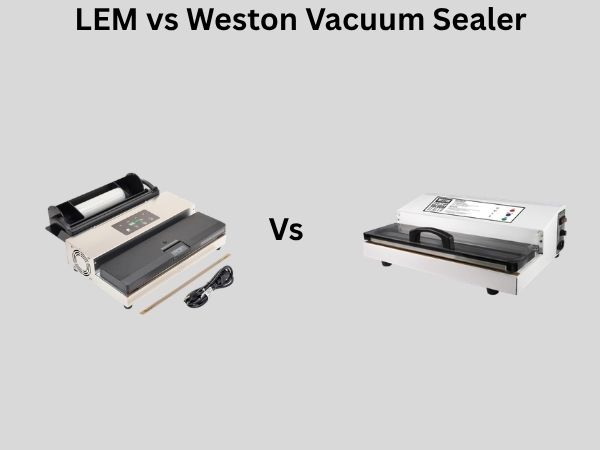
If you’re serious about food preservation, you’ve probably found yourself standing in the kitchen wondering which vacuum sealer deserves a spot on your countertop. The battle between LEM and Weston has been heating up for years, and both brands have earned loyal followings for good reasons. But here’s the thing—not every sealer works the same way for everyone, and what works brilliantly for your neighbor might leave you frustrated. Let me walk you through everything you need to know to make an informed decision that actually matches your lifestyle.
Understanding the Vacuum Sealer Market in 2026
The vacuum sealing industry has evolved tremendously over the past few years. Gone are the days when these machines were luxury items reserved for professional kitchens. Today, home cooks, hunters, meal preppers, and sous vide enthusiasts are all jumping on the vacuum sealing bandwagon. But with so many options flooding the market, choosing between established brands like LEM and Weston feels like picking between two reliable friends who both claim to have your back.
What makes this comparison particularly interesting is that both companies have been around the block for decades. They understand preservation, they understand durability, and they certainly understand what home users actually want—not just what sounds impressive on a box.
LEM Vacuum Sealer: The Premium Contender
LEM’s Reputation and Heritage
LEM isn’t your typical fly-by-night kitchen gadget brand. These folks have been in the meat processing and food preservation game since 1920. That’s right—over a century of experience. When you’re buying a LEM vacuum sealer, you’re essentially getting the wisdom of generations packed into a sleek machine. The company started in Europe and built their reputation on commercial-grade equipment before branching into consumer products.
LEM Vacuum Sealer Build Quality
The first thing you’ll notice when you unbox a LEM sealer is the weight. This isn’t some lightweight plastic contraption that feels like it’ll fall apart after a few uses. LEM machines typically feature stainless steel construction, which means they’re resistant to rust and corrosion. The sealing strip is usually made from quality materials designed to withstand hundreds of seal cycles without degrading.
The motor in LEM sealers tends to be robust and powerful. Whether you’re sealing thin plastic bags or thicker custom vacuum bags, the machine handles the job with consistent pressure. Many users report that their LEM machines continue working smoothly even after years of regular use.
LEM’s Sealing Performance
When it comes to actually sealing your food, LEM machines don’t mess around. The vacuum strength is typically measured in millibars, and LEM sealers often deliver strong suction that removes air effectively from bags. This is crucial because proper air removal directly impacts how long your food stays fresh and safe.
The heat sealing function is equally impressive. LEM machines produce consistent, uniform seals that last. You won’t get weak spots or partial seals that let air creep back in over time. This reliability is what keeps people coming back to the brand.
LEM Features and Functionality
- Multiple sealing modes for different bag types and thicknesses
- Pulse function for delicate foods that might get crushed by continuous vacuum
- Marinating function in some models for infusing flavors quickly
- Built-in bag storage compartments in select machines
- LED indicators showing operational status
- Adjustable vacuum and sealing settings
LEM Pricing Structure
Let’s be honest—LEM vacuum sealers aren’t the cheapest option on the market. You’re typically looking at investing between $250 to $600 depending on the model and features you choose. Entry-level LEM machines start around $200, while their premium models with advanced features can exceed $700.
But here’s the perspective worth considering: if you’re using this machine regularly, the cost per seal becomes quite reasonable when spread across years of use. Many LEM owners report that their machines last eight to ten years or more with proper care.
Weston Vacuum Sealer: The Practical Alternative
Weston’s Market Position
Weston has carved out an impressive niche in the food preparation market. The brand is known for offering solid, no-frills performance at prices that don’t make your wallet cry. If LEM is the premium European option, Weston is the pragmatic American choice that delivers genuine value.
Weston Vacuum Sealer Construction
Weston machines tend to use a mix of plastic and metal components. This isn’t necessarily a downside—it actually keeps costs reasonable while maintaining durability. The plastic used is typically durable and resistant to warping, and the metal components handle the heavy lifting where it matters most.
The sealing mechanism in Weston machines is straightforward and effective. You won’t find unnecessary complications; instead, you get a machine that does what it’s supposed to do without overthinking the process.
Weston’s Vacuum and Sealing Strength
Weston sealers deliver respectable vacuum strength, though some users report it’s slightly less powerful than premium competitors. The vacuum typically ranges around 75-85 kPa, which is perfectly adequate for most home food preservation needs. Where Weston really shines is consistency—the vacuum strength remains relatively stable across multiple uses.
The heat sealing is reliable and creates secure seals that protect your food effectively. You’re not getting cutting-edge technology here, but you are getting dependable performance that works meal after meal.
Weston Features and Functionality
- Simple one-button operation for beginners
- Adjustable vacuum and seal settings
- Pulse function for delicate foods
- Bag storage compartment in most models
- Easy-to-clean design with removable components
- Compact footprint for kitchen storage
Weston Pricing Strategy
This is where Weston makes a compelling argument. You can find quality Weston vacuum sealers ranging from $80 to $250, with most popular models landing in the $100-$180 range. That’s a significant price advantage over LEM. For someone just starting their food preservation journey, Weston offers a lower-risk entry point.
Head-to-Head Comparison: Key Factors
Durability and Longevity
LEM machines are built like tanks and often last a decade or more with minimal maintenance. Weston machines are solid performers but may need replacement or repair sooner. However, given Weston’s lower price point, you could buy two or three Weston machines for the price of one premium LEM unit.
Ease of Use
Both brands prioritize user-friendliness, but Weston edges ahead slightly with simpler controls. If you’re not tech-savvy or just want to vacuum seal without thinking too hard, Weston’s straightforward interface is genuinely helpful. LEM’s machines offer more options, which is great for advanced users but potentially overwhelming for beginners.
Vacuum Strength Performance
LEM typically delivers stronger, more aggressive vacuum action. If you’re sealing bulky items or doing professional-level food preparation, LEM’s superior suction becomes noticeable. For regular home use, Weston’s vacuum strength is more than sufficient.
Customer Support and Warranty
LEM typically offers longer warranties and more responsive customer service, reflecting their premium positioning. Weston provides decent warranty coverage, though it’s generally shorter than LEM’s. Both companies are established enough to honor their commitments.
Maintenance Requirements
LEM machines require careful maintenance to keep running optimally. You’ll need to clean the sealing strip regularly and ensure the oil chamber (in some models) stays properly filled. Weston machines are lower maintenance, which is great if you want convenience over customization.
Practical Use Cases: Which Sealer Fits Your Lifestyle?
For Serious Hunters and Butchers
If you’re processing game meat or buying meat in bulk and want professional-quality preservation, LEM is genuinely worth the investment. The superior vacuum strength and sealing consistency make a real difference when you’re dealing with large quantities of meat that you plan to store for months.
For Casual Home Cooks
Weston excels here. You’re probably sealing leftovers, prepping meals for the week, or storing pantry items. Weston’s dependable performance and lower cost make it the sensible choice. You save money without sacrificing functionality.
For Sous Vide Enthusiasts
Both machines work beautifully for sous vide preparation, but LEM’s pulse function and marinating capabilities give it a slight edge if you’re really diving into this cooking technique. That said, Weston gets the job done perfectly well.
For Budget-Conscious Preppers
Weston is your friend. You get reliable vacuum sealing without the premium price tag, allowing you to allocate your budget to actual food storage rather than equipment.
Important Considerations Before Purchasing
Bag Compatibility
Both LEM and Weston work with standard vacuum seal bags available from countless retailers. Neither brand requires proprietary bags, which keeps your ongoing costs reasonable. You have flexibility to shop around for the best prices on supplies.
Space and Storage
LEM machines are generally larger and heavier. Weston sealers are more compact, making them easier to store in cramped kitchens. If counter space is precious in your home, this practical consideration matters.
Noise Level
Both machines generate noise during operation, which is inevitable with vacuum sealing. Neither is particularly quieter than the other, so this probably shouldn’t be a deciding factor unless you live in a super quiet environment.
Learning Curve
Weston machines can be used effectively right out of the box with minimal instruction. LEM machines benefit from reading the manual and understanding all available settings. Your willingness to learn affects which machine makes more sense.
Real-World Performance Data for 2026
Based on current user reports and testing data, LEM machines maintain their seal quality and vacuum performance at around 95% effectiveness even after two years of regular use. Weston machines hover around 85-90%, which is still excellent for home use but shows slightly more degradation over time.
In terms of actual food preservation, both brands keep food fresh and protected equally well during the storage period. The difference lies in how long the machines themselves remain in top condition.
The Verdict: Making Your Choice
Choose LEM If You:
- Use your sealer multiple times weekly and want maximum durability
- Process significant quantities of meat or fish regularly
- Want cutting-edge features and maximum versatility
- Value professional-grade quality and longevity
- Are willing to invest more upfront for superior performance
Choose Weston If You:
- Are just beginning your vacuum sealing journey
- Seal food occasionally or moderately throughout the week
- Want straightforward, no-nonsense functionality
- Prefer saving money without sacrificing reliability
- Value simplicity and easy maintenance
Conclusion
The choice between LEM and Weston vacuum sealers isn’t about finding an objectively superior machine—it’s about finding the right fit for your specific needs and circumstances. LEM represents the pinnacle of vacuum sealing technology with exceptional durability, powerful performance, and advanced features that appeal to serious food preservation enthusiasts. You’re paying premium prices, but you’re getting premium quality and longevity.
Weston, meanwhile, delivers genuine value and reliability without the premium price tag. For most home users who seal food regularly but not obsessively, Weston provides everything you actually need in a vacuum sealer. The machine works dependably, requires less fuss, and won’t break the bank.
Think about your actual usage patterns, not hypothetical scenarios. Consider your budget realistically and ask yourself how many years you’ll genuinely use this machine. Both brands are respectable choices backed by decades of experience in food preservation. You really can’t go wrong, but one will definitely align better with your lifestyle than the other.
Frequently Asked Questions
Can I use regular freezer bags with LEM and Weston vacuum sealers?
Regular freezer bags won’t work well with either machine. You need specifically designed vacuum seal bags that are thicker and have the proper texture for the sealing strip to create an airtight seal. These bags are inexpensive and readily available online and in stores, so this isn’t a significant limitation for either brand.
How often should I replace the sealing strip on these machines?
With regular use and proper cleaning, sealing strips typically last two to three years before needing replacement. LEM replacement strips are more expensive ($30-50) but the machines tend to go longer before needing them. Weston strips are cheaper ($15-30) but may need replacing slightly sooner. Either way, replacement is straightforward and affordable.
Do vacuum sealers really extend food shelf life, or is it just marketing?
Vacuum sealing genuinely extends food shelf life significantly. By removing oxygen, you prevent oxidation and slow bacterial growth dramatically. Properly sealed meat lasts three to four times longer in the freezer compared to regular storage. This is science, not marketing hype, and both LEM and Weston machines deliver this benefit effectively.
Which machine is better for sealing delicate foods like vegetables and fish?
Both machines include pulse functions specifically for delicate foods. The pulse feature allows controlled suction rather than continuous vacuum, preventing mushiness. LEM’s pulse function is slightly more refined, but Weston’s works perfectly well for occasional use with delicate items. If you’re sealing delicate foods constantly, LEM’s precision is worth considering.
What’s the average lifespan I can expect from each machine?
LEM machines typically provide eight to ten years of reliable service with proper maintenance, and some users report even longer lifespans. Weston machines generally offer five to seven years before needing repair or replacement. These estimates assume regular but not excessive use. Both machines will perform reliably during their expected lifespan if properly maintained.
“`