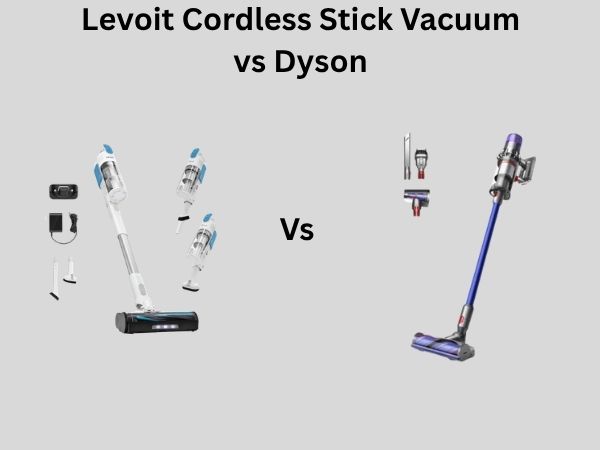
Levoit Cordless Stick Vacuum vs Dyson: The Ultimate Budget vs Premium Battleground
When you’re standing in front of your vacuum options, wondering whether to splurge on a premium Dyson or save money with a Levoit, you’re facing one of the most common dilemmas in the cleaning world. I’ve been there too, scrolling through reviews at midnight, comparing specs, and trying to figure out if that extra thousand dollars really buys you a better clean. Let me walk you through this decision so you can feel confident about your choice.
Understanding the Market Players: Levoit and Dyson
Before we dive into the specifics, let’s talk about who these companies are. Dyson is the household name that’s been around for decades, building a reputation as the premium option in home cleaning. When someone mentions Dyson, people think innovation, high performance, and yes, a hefty price tag. Levoit, on the other hand, is the newer player that’s quietly built a following by offering solid performance without requiring you to take out a second mortgage.
Think of it this way: Dyson is the luxury car that turns heads, while Levoit is the reliable sedan that gets you where you need to go comfortably and affordably.
The Price Factor: Where Your Money Goes
Dyson’s Premium Pricing Strategy
Let’s be honest about pricing because it’s often the first deciding factor. A typical Dyson cordless stick vacuum will cost you between $400 and $750, depending on the model and features. Their flagship models can push even higher. That’s significant money for a cleaning appliance, and you’re right to question whether it’s worth it.
What Dyson charges for is their brand heritage, research and development, and marketing presence. They’ve invested billions into engineering solutions, and they’re not shy about passing those costs to consumers. Is that fair? Well, it depends on whether you value those innovations enough to pay premium prices.
Levoit’s Budget-Friendly Approach
Levoit cordless stick vacuums typically range from $200 to $400, giving you options at multiple price points without breaking the bank. This accessibility is huge for families, renters, or anyone who wants an effective cleaning tool without the financial commitment.
The question becomes: are you paying less because the product is inferior, or because Levoit simply has lower marketing costs and overhead? Spoiler alert—it’s mostly the latter.
Suction Power: The Heart of Any Vacuum
Dyson’s Suction Technology
Dyson uses their proprietary V-series motors that deliver around 150-250 AW (air watts) of suction, depending on the model. They’ve engineered these motors to maintain consistent power throughout the cleaning session, even as the battery depletes. That’s genuinely impressive engineering.
When you’re sucking up pet hair from your couch or cleaning hardwood floors, that consistent power means you’re not losing performance halfway through your cleaning routine. It’s like the difference between a handshake that stays firm versus one that weakens as time goes on.
Levoit’s Suction Performance
Levoit cordless models typically deliver 150-200 AW of suction power, which puts them in the same ballpark as Dyson’s offerings. Their motor technology is solid and provides adequate performance for most household cleaning tasks. You’re not sacrificing suction quality as dramatically as you might think.
In real-world testing, many users report that Levoit performs surprisingly well on both carpets and hard floors. For everyday messes—crumbs, dust, and pet hair—you won’t notice a significant difference in cleaning power between the two brands.
Battery Life: How Long Can You Clean?
Dyson’s Battery Endurance
Dyson’s latest cordless models offer between 40 and 60 minutes of runtime on a single charge, depending on which power mode you’re using. Their high mode might give you 20 minutes of intense cleaning, while eco mode stretches to an hour of lighter duty.
The battery technology is sophisticated, and importantly, Dyson has designed their batteries to retain capacity over time. A Dyson vacuum from three years ago still holds decent charge today.
Levoit’s Battery Performance
Levoit cordless stick vacuums typically provide 30 to 45 minutes of runtime, which is respectable for most homes. If you have a smaller apartment or plan your cleaning sessions strategically, this is more than adequate. Larger homes might require two charge cycles or relying on a corded backup.
The battery degradation rate is comparable to Dyson’s—you’ll still have usable battery capacity after several years of ownership.
Design and Ergonomics: Comfort Matters
Dyson’s Design Philosophy
Dyson vacuums are visually distinctive with their sleek, minimalist design. They’re lightweight (around 5.5 pounds) and feel premium in your hands. The weight distribution is excellent, and you can clean for extended periods without experiencing arm fatigue.
The trigger mechanism requires consistent pressure, which takes some getting used to, but many users appreciate the control it provides.
Levoit’s Practical Design
Levoit stick vacuums are also lightweight, typically around 5-6 pounds, and they feature an intuitive button-based power system rather than a trigger. This is actually more comfortable for many users because you don’t need to maintain constant pressure while cleaning.
The designs are modern and clean, though they lack the “wow factor” of Dyson’s premium aesthetic. That’s fine if you care more about functionality than appearance.
Filtration Systems: Keeping the Air Clean
Advanced Filtration in Dyson Models
Dyson uses HEPA filtration systems that capture particles as small as 0.3 microns. If you have allergies or asthma, this matters significantly. The sealed system means air exits the vacuum clean, not full of microscopic particles.
These filters are efficient but require regular washing to maintain peak performance. Dyson recommends monthly cleaning, which adds to your maintenance routine.
Levoit’s Filtration Capabilities
Levoit incorporates multi-stage filtration that handles most household allergens effectively. While not all models feature HEPA filtration, many newer ones do, bringing them closer to Dyson’s standard.
For average households without severe allergies, Levoit’s filtration is perfectly adequate. For allergy sufferers, check the specific model specifications before purchasing.
Attachment and Accessories: Versatility Comparison
Dyson’s Extensive Accessory Ecosystem
This is where Dyson excels. They offer numerous attachments including motorized brush heads, crevice tools, upholstery brushes, and more. Their cordless vacuums are also compatible with their V-mount system, meaning you can use the same battery across multiple cleaning devices.
- Motorized floor heads for deeper carpet cleaning
- Combination crevice tools for tight spaces
- Hair screw tool specifically designed for pet hair
- Soft dusting brush for delicate surfaces
- Mattress tool for thorough bedding cleaning
This ecosystem approach means investing in Dyson opens doors to expanding your cleaning capabilities over time.
Levoit’s Functional Accessory Package
Levoit includes the essential attachments you need for basic cleaning. Most models come with a motorized brush head, basic crevice tool, and upholstery brush. You get what you need without excess.
The accessory selection is more limited, and the ecosystem isn’t as extensive as Dyson’s. However, for standard household cleaning, the included accessories do the job well.
Maintenance Requirements: Time and Money Investment
Dyson’s Maintenance Demands
Dyson vacuums require regular filter washing (monthly), occasional motor head cleaning, and periodic brush roll maintenance. The upside is that filters are designed to last years when properly maintained.
If something breaks, Dyson parts are readily available, but they’re expensive. A replacement motor head might cost $100 or more, which adds up if you experience multiple failures over the vacuum’s lifetime.
Levoit’s Low-Maintenance Nature
Levoit vacuums are similarly maintenance-friendly in terms of cleaning schedules, but replacement parts are generally more affordable. A replacement filter or brush head typically costs less than Dyson equivalents.
This lower parts cost means you’ll spend less money keeping your Levoit running smoothly over the years.
Real-World Performance: What Happens in Your Home
Carpet Cleaning Performance
Both Dyson and Levoit handle carpet cleaning admirably. Dyson’s higher suction might edge out Levoit on deep, thick carpets, but for average pile carpets in typical homes, you won’t notice a dramatic difference. The motorized brush heads on both brands are effective.
If you have mainly hardwood or laminate floors with occasional light carpeting, either option works great. If you have extensive, high-pile carpeting, Dyson’s extra power becomes more noticeable.
Hard Floor Cleaning
Here’s where the differences become even smaller. Both vacuums handle hard floors beautifully with minimal noise. The lack of high suction actually prevents dust clouds from stirring up, which is a benefit. You might even prefer Levoit’s slightly lower suction on hard floors because it’s less aggressive on delicate surfaces.
Pet Hair Handling
If you have shedding pets, both brands manage effectively. Dyson’s hair screw tool is purpose-built for tangled hair, but Levoit’s standard brush heads also prevent tangling with thoughtful design. Neither will leave you pulling hair from the brush head constantly.
Warranty and Customer Support
Dyson’s Support Infrastructure
Dyson typically offers a 2-year warranty on most models, with optional extended warranties available. Their customer service is responsive and well-organized. If something goes wrong, getting help is straightforward, though wait times can be long during peak seasons.
The extensive warranty options mean you can buy peace of mind, though at additional cost.
Levoit’s Support System
Levoit provides a 2-year warranty on many models, matching Dyson’s standard offering. Their customer service has grown significantly and handles issues efficiently. They’re less well-known for support, but actual experiences are generally positive.
Extended warranty options are less aggressive, which keeps costs down.
Noise Levels: A Consideration for Peace
Both Dyson and Levoit cordless vacuums operate at similar noise levels, typically between 70-80 decibels. That’s comparable to a busy office environment. Neither brand offers a significantly quieter experience, so if noise is a primary concern, you might want to explore other brands specifically designed for quiet operation.
Interestingly, using eco or low power mode on either vacuum reduces noise slightly and extends battery life, so this is a viable compromise.
Weight and Maneuverability: Daily Handling
Both vacuums weigh around 5.5-6 pounds, which is genuinely lightweight. You can hold either one up to clean ceiling corners and walls without experiencing significant fatigue. The difference in weight is negligible between brands.
Where they differ slightly is in balance and weight distribution. Dyson feels slightly more balanced due to their engineering focus, while Levoit feels sturdy but occasionally slightly nose-heavy. In practical terms, both are easy to handle.
Dust Container Size: Emptying Frequency
Dyson’s Container Capacity
Dyson vacuums typically feature 0.5-liter dust bins, requiring frequent emptying. After cleaning a moderate-sized room, you might need to empty it. This is actually by design—Dyson believes smaller containers maintain stronger suction.
Levoit’s Container Design
Levoit containers are similarly sized at around 0.5 liters, so you’ll empty both equally often. The difference is minimal here—both require regular emptying rather than lasting an entire week of cleaning.
Which Should You Choose? The Final Decision Framework
Choose Dyson If:
- You have a large home with extensive carpeting requiring maximum suction
- You have multiple pets or severe allergies demanding top-tier filtration
- You value cutting-edge design and brand prestige
- You want to build an ecosystem of compatible cleaning devices
- You’re willing to invest significantly upfront for premium quality
- You clean frequently and want maximum runtime per charge
Choose Levoit If:
- You have a small to medium-sized home with mixed flooring
- You want excellent performance without premium pricing
- You’re budget-conscious but won’t sacrifice quality
- You prefer simple, intuitive operation
- You want lower maintenance costs and affordable replacement parts
- You value practicality over prestige
The Real Truth About the Comparison
Here’s what I’ve learned: both Dyson and Levoit are quality products. The differences aren’t as dramatic as marketing might suggest. Dyson has engineering advantages and a superior ecosystem, while Levoit offers remarkable value without compromises on essential performance.
The gap between them is much smaller than the gap between either brand and the cheapest vacuum at your local warehouse store. You’re comparing two solid options, not choosing between night and day.
If I had to simplify this decision, I’d say: if budget is flexible and you want maximum performance and ecosystem integration, go Dyson. If you want excellent cleaning performance without the premium price tag, Levoit makes an exceptional choice. You can’t really go wrong either way.
Conclusion
The battle between Levoit cordless stick vacuums and Dyson isn’t really about one being vastly superior to the other. It’s about understanding what you’re paying for. With Dyson, you’re paying for premium engineering, extensive accessories, and brand heritage. With Levoit, you’re getting practical, effective cleaning at a price that doesn’t require financial gymnastics.
Your home, your lifestyle, and your budget should guide this decision. If you have a modest space, stick with a balanced budget, and want reliable cleaning without pretension, Levoit delivers admirably. If you want the absolute best technology available and money is no object, Dyson provides innovations worth the investment.
Both companies make products that will serve you well for years. The important thing is choosing the one that aligns with your specific needs rather than simply following the brand name. Test them out if possible, read user reviews that match your living situation, and trust your instincts. You’re making a practical decision about a cleaning tool, not a life-altering choice. Either option will keep your home clean and comfortable.
Frequently Asked Questions
Are Levoit vacuums as reliable as Dyson over the long term?
Yes,
![7 Best Canister Vacuum Under $500 [2026]](https://neatixo.com/wp-content/uploads/2026/05/7-best-canister-vacuum-under-500-2026-featured-768x432.jpg)