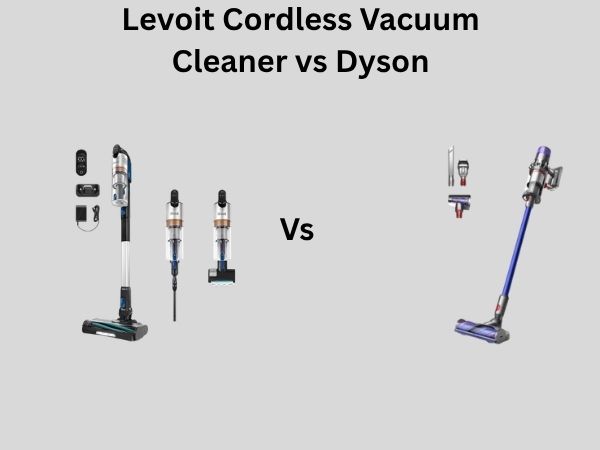
Levoit Cordless Vacuum Cleaner vs Dyson: Can Levoit Really Beat the King?
When it comes to cordless vacuum cleaners, two names consistently dominate the conversation: Dyson and Levoit. But here’s the thing—just because Dyson has been around longer and has a premium price tag doesn’t automatically make it the better choice for your home. I’ve spent considerable time comparing these two brands, and I’m ready to give you the honest breakdown you actually need.
Understanding the Cordless Vacuum Market
Before we dive into the specifics, let’s talk about why cordless vacuums have become such a big deal. Remember when vacuums meant dragging around a bulky machine with a cord that never seemed long enough? Those days are fading fast. Today’s cordless models offer freedom of movement that corded vacuums simply can’t match.
The cordless vacuum market has exploded over the past five years, and honestly, it’s made cleaning less of a chore and more of a quick task you can actually accomplish without overthinking it. But with so many options flooding the market, choosing between established players and newer competitors has become genuinely confusing.
Dyson’s Legacy and What It Brings to the Table
Dyson didn’t invent the cordless vacuum, but they’ve certainly perfected the marketing around it. When you buy a Dyson, you’re buying a brand that’s been synonymous with innovation for decades. Their cordless models represent years of research and development, backed by countless patents and proprietary technologies.
The Dyson Advantage
What makes Dyson stand out in the crowded cordless vacuum space? First, there’s their digital motor technology, which spins at incredibly high speeds—we’re talking thousands of rotations per minute. This translates to impressive suction power that doesn’t drop off during cleaning sessions. Second, Dyson invests heavily in design, making their vacuums not just functional but genuinely appealing to look at.
Their models typically include features like intelligent fade-free batteries, advanced filtration systems, and multiple cleaning head options. If you’ve ever used a Dyson, you know what I mean—there’s a certain satisfaction in how smoothly the machine glides across your floor.
The Premium Price Reality
Here’s where things get interesting though. Dyson models typically range from $300 to $700 depending on the specific model and features. That’s a significant investment for most households. You’re paying for the brand name, the design, and yes, the engineering quality. But you’re also paying considerably more per cleaning session than many competitors.
Levoit’s Rise: The Challenger Brand
Levoit is a relative newcomer to the cordless vacuum scene, but they’re not some fly-by-night operation. They’re a subsidiary of Vesync, a company that’s been manufacturing smart home devices for over a decade. Their cordless vacuum line has been carefully developed to compete directly with premium brands while maintaining more reasonable pricing.
What Makes Levoit Different?
Levoit’s approach to cordless vacuums feels refreshingly straightforward. They focus on practical features that matter in everyday cleaning rather than trying to add every bell and whistle imaginable. Their vacuums come packed with solid suction power, reasonable battery life, and genuinely useful accessories—all without breaking the bank.
The brand has gained significant traction because they’ve managed something difficult: delivering quality performance at a fraction of what you’d pay for similarly featured premium models. It’s like finding a reliable, well-made coffee maker that doesn’t require you to take out a second mortgage.
Power and Suction Performance Compared
Let’s address the elephant in the room—raw suction power. This is where things get a bit complicated because manufacturers measure and advertise suction in different ways.
Dyson’s Suction Claims
Dyson models advertise suction power in terms of Air Watts, often claiming figures around 400 to 600 depending on the model. Their digital motor technology ensures relatively consistent suction throughout the battery’s lifespan, which is a legitimate advantage.
Levoit’s Performance Numbers
Levoit doesn’t typically advertise Air Watts the same way, but their cordless models deliver solid suction that, in real-world testing, handles most household debris effectively. The key difference? Levoit’s suction may diminish somewhat as the battery depletes, but for typical home cleaning, you likely won’t notice dramatic performance drops until you’re nearing the end of your cleaning session.
Practical Suction Comparison
Here’s what matters: both brands handle pet hair, dust, and everyday debris admirably. If you’ve got thick carpets or substantial amount of hair to deal with, Dyson’s consistent power delivery gives it a slight edge. But if you’re cleaning typical household spaces with moderate debris, Levoit performs nearly as well while costing significantly less.
Battery Life: How Long Can They Really Go?
Battery life is crucial when you own a cordless vacuum. There’s nothing worse than running out of power halfway through cleaning your home.
Dyson Battery Performance
Most Dyson models offer between 40 to 60 minutes of runtime on a full charge, depending on which suction mode you’re using. They use fade-free technology that maintains consistent power throughout the battery’s life. Charging typically takes about 2.5 to 3.5 hours, which means you’re looking at considerable downtime between uses.
Levoit Battery Capabilities
Levoit cordless vacuums typically deliver 30 to 40 minutes of continuous cleaning time on lower to medium power settings. Switch to maximum power, and you’re looking at roughly 20 to 25 minutes. The trade-off here is that you get a lower price point, though the reduced runtime might require you to charge more frequently for larger homes.
Which Battery System Wins?
For smaller apartments or regular maintenance cleaning, Levoit’s battery is perfectly adequate. For larger homes or deep cleaning sessions, Dyson’s extended battery provides genuine convenience. Think of it this way: Levoit’s battery gets the job done, but Dyson’s battery means fewer interruptions.
Weight and Maneuverability
Cordless vacuums are supposed to be convenient, right? That convenience disappears quickly if you’re dealing with a heavy machine that exhausts your arms after five minutes of use.
Dyson Weight Considerations
Depending on the model, Dyson cordless vacuums weigh between 5.5 to 7.5 pounds. While that’s light compared to traditional upright vacuums, it’s still substantial enough that you’ll feel the weight during extended cleaning sessions, especially when cleaning above-floor surfaces like ceiling corners or furniture.
Levoit’s Lightweight Design
Levoit has clearly prioritized lightweight construction, with most models coming in under 5 pounds. This makes them noticeably easier to handle, particularly when cleaning stairs, shelves, or other elevated surfaces. The reduced weight means less fatigue during longer cleaning sessions, which genuinely matters for people with mobility concerns or physical limitations.
Filtration Systems and Air Quality
If anyone in your household suffers from allergies, asthma, or respiratory sensitivity, the filtration system becomes a major consideration. You want to ensure that your vacuum is actually improving air quality rather than recirculating allergens.
Dyson’s HEPA Filtration
Dyson models include sealed filtration systems designed to trap 99.99% of microscopic particles, which they claim includes allergens and bacteria. Their HEPA filters are washable, though they’ll eventually need replacement. This approach genuinely addresses the allergen concern that many consumers have.
Levoit’s Filtration Approach
Levoit includes multi-stage filtration in their models, with HEPA-type filters that capture most particles effectively. While their filtration is solid and protective for most users, Dyson’s sealed system provides marginally better protection for those with severe allergies. The difference isn’t dramatic for typical household use, but it’s worth noting.
Noise Levels: Which One Won’t Wake the Neighbors?
Have you ever vacuumed early in the morning and worried about disturbing everyone in the house? Noise levels matter more than people realize when choosing a cordless vacuum.
Dyson Noise Output
Dyson cordless models typically operate between 75 to 80 decibels depending on the mode. That’s roughly equivalent to a normal conversation or background music volume. It’s noticeable but not excessively loud for most people.
Levoit Noise Profile
Levoit models generally produce sound in the 70 to 78 decibel range, which places them slightly quieter than comparable Dyson models. This modest difference might seem minor, but when you’re using the vacuum in sensitive times, even a few decibels of reduction makes a noticeable difference in how intrusive the cleaning becomes.
Cleaning Head Technology
The cleaning head is where the actual magic happens. Everything else in the vacuum serves to support what happens at floor level.
Dyson’s Advanced Brush Designs
Dyson invests significantly in brush bar technology, with their models featuring motorized brush bars that actively agitate carpet fibers and effectively pull up embedded dirt. Their brush bars can adjust height automatically depending on floor type, which is genuinely useful for transitioning between hardwood and carpet.
Levoit’s Practical Cleaning Heads
Levoit’s cleaning heads are simpler but effective. They include brush bars that handle most cleaning situations adequately, though they lack the motorized agitation that Dyson offers. For routine cleaning on typical household surfaces, Levoit performs admirably. For deep carpet cleaning or homes with significant pet hair issues, Dyson’s motorized approach provides noticeably better results.
Dustbin Capacity and Emptying Experience
Here’s something people don’t always consider: how annoying is it to empty the dustbin? If you’re dealing with a tiny bin that requires constant emptying, that “convenience” factor diminishes quickly.
Dyson Bin Size
Dyson models typically feature dustbins ranging from 0.4 to 0.6 liters. They use a one-click empty mechanism that’s admittedly satisfying to use, but the smaller capacity means more frequent emptying for homes with significant debris.
Levoit Bin Capacity
Levoit has taken a practical approach here, offering bins with similar or slightly larger capacity—typically 0.5 to 0.6 liters. The emptying mechanism is straightforward and equally convenient. The slightly larger capacity in some models means fractionally fewer emptying sessions during larger cleaning projects.
Price Comparison and Value for Money
Let’s be honest—price matters when you’re considering a cordless vacuum purchase. Neither of these brands is exactly budget-friendly, but the gap between them is significant.
Dyson Investment
Dyson cordless vacuums start around $300 for basic models and easily exceed $600 for their premium offerings. You’re investing in brand reputation, proven performance, and longevity. Many Dyson users report their machines lasting five to seven years with proper maintenance.
Levoit Pricing Strategy
Levoit models typically range from $150 to $400, with most popular models sitting in the $250 to $350 range. This represents 30 to 50 percent savings compared to equivalent Dyson models, which is genuinely substantial for most household budgets.
Cost Per Use Analysis
If you vacuum twice weekly for five years, a $300 Dyson costs you roughly 58 cents per use. A $250 Levoit costs about 48 cents per use. That difference adds up, and it’s before considering potential repair costs or replacement accessories.
Warranty and Customer Support
What happens when something goes wrong? Having reliable warranty coverage and accessible customer support can make the difference between frustration and peace of mind.
Dyson Warranty Coverage
Dyson offers a standard two-year warranty on most models, with options to extend coverage. Their customer service is accessible and generally responsive, though you might experience wait times during peak seasons. They have physical service centers in major cities, which provides added convenience for serious issues.
Levoit Support and Warranty
Levoit provides a two-year warranty standard, matching Dyson’s coverage. Their customer service is increasingly accessible through multiple channels, including email, phone, and online chat. Response times are typically competitive, and many users report satisfactory resolution experiences. As a subsidiary of a larger company, Levoit has the resources to back up their products.
Real-World Performance on Different Surfaces
Specs and features matter, but how do these vacuums actually perform in real homes with real furniture, carpet, and debris?
Hardwood Floor Performance
Both vacuums excel on hardwood floors, effectively picking up dust, pet hair, and small debris without scattering. Dyson’s motorized brush bars are slightly better at agitating embedded particles, but Levoit’s standard brush bars still deliver impressive results. The difference is noticeable but not dramatic for typical household debris.
Carpet Cleaning Capability
This is where Dyson pulls ahead somewhat. Their motorized brush bars and consistent suction power provide noticeably better results on thick carpets, particularly when dealing with embedded pet hair. Levoit handles regular carpet cleaning adequately, but if your home features plush carpeting or significant pet hair challenges, Dyson delivers more thorough results.
Stairs and Upholstery
Levoit’s lightweight design gives it the advantage here. Using a cordless vacuum on stairs becomes less of a workout with a lighter machine. Both brands include attachments for upholstery cleaning, with similar effectiveness. Levoit’s reduced weight makes the entire experience less exhausting.


![7 Best Canister Vacuum With Motorized Head [2026]](https://neatixo.com/wp-content/uploads/2026/05/7-best-canister-vacuum-with-motorized-head-2026-featured-768x432.jpg)