How to Untangle a Vacuum Cord: Full Guide
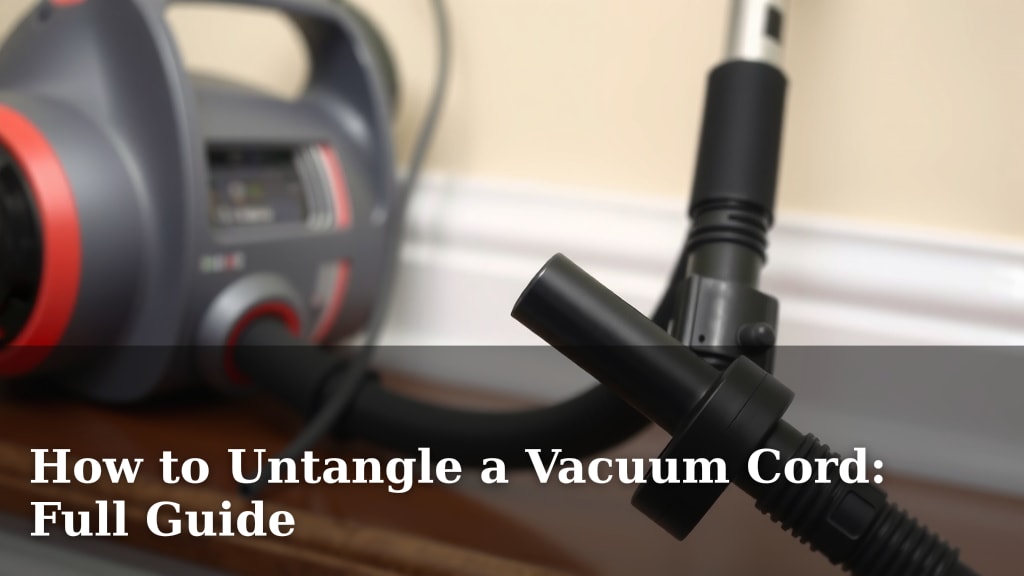
Untangling your vacuum cord is simpler than you think. You can usually fix a tangled cord by gently pulling the cord in sections and winding it back onto the reel. If that doesn’t work, try unplugging it and carefully loosening the knots with your fingers. It’s often just a matter of patience and a little finesse.
A tangled vacuum cord can feel like a frustrating obstacle when you just want to clean. We’ve all been there, battling with a spaghetti-like mess. Understanding how to deal with it quickly can save you time and prevent damage to the cord.
TL;DR:
- Gently pull and rewind tangled sections.
- Unplug the vacuum first.
- Loosen knots with your fingers.
- Be patient and avoid yanking.
- Inspect the cord for damage.
Let’s walk through exactly how to get that cord untangled and back to normal, step by step.
So, your vacuum cord has decided to reenact the spaghetti scene from Lady and the Tramp. Don’t worry, you’re not alone! It happens to the best of us. A tangled cord can feel like a huge mess, but with a few simple steps, you can get it back in order. Let’s tackle this together.
Conquering Your Cord Chaos: A Step-by-Step Guide
Untangling a stubborn vacuum cord requires a bit of patience and a gentle touch. Yanking on it can actually make things worse. It can fray the wires or even break them. We want to avoid any permanent damage. The goal is to carefully guide the cord back into its natural position.
Step 1: Safety First – Unplug It!
Before you do anything, the most important step is to unplug your vacuum. Seriously, yank that plug right out of the wall. This prevents any accidental bumps or surges that could harm you or the vacuum. Plus, it gives you free rein to manipulate the cord without worrying about turning the vacuum on. It’s like giving yourself a clear workspace.
Step 2: Assess the Tangled Situation
Take a good look at the mess. Is it a simple loop or a complex knot? Sometimes, the cord gets wrapped around the vacuum itself. Other times, it’s just a jumble on the floor. Identifying the main points of the tangle helps you figure out where to start. Think of yourself as a detective, but for cords.
Identifying the Core of the Knot
Try to find where the cord is most tightly wound. Usually, there’s one or two spots that are causing the majority of the problem. Loosening these key areas will often make the rest of the cord fall into place. This is where your detective work pays off.
Step 3: Gentle Maneuvering is Key
Now comes the delicate part. Start by gently pulling the cord in sections. Don’t yank or force it. Think of it like untangling a necklace. You want to ease the kinks out, not fight them. Small, controlled movements are your best friends here. Research and found that most cord damage occurs from forceful tugging (Consumer Product Safety Commission).
Working Through Loops and Twists
If you see loops, try to widen them slightly. If there are twists, gently rotate the sections to undo them. Sometimes, lifting the cord slightly off the floor can give you more room to work. This gives the cord a little breathing room to untangle itself.
Using Your Fingers as Tools
Your fingers are often the best tools for this job. Use them to carefully separate the strands of the cord. Wiggle the cord gently. You might need to guide one part of the cord through a loop with your fingers. It’s a bit like solving a puzzle.
Step 4: The Rewind and Reel Method
Once you’ve loosened the major tangles, it’s time to get the cord back onto its reel. Most vacuums have an automatic cord rewind feature. If yours does, gently pull the cord out a few feet again. This often helps the reel grab the cord properly. Then, press the rewind button or mechanism.
Troubleshooting the Cord Reel
If the cord reel isn’t working, don’t panic. Sometimes, a stubborn knot can prevent it from engaging. Try giving the cord a gentle tug while pressing the rewind button. If it still won’t retract, you might have a more serious issue with the reel itself. For now, manually winding it is an option. You can carefully wrap the cord around the vacuum body.
Step 5: Inspect for Damage After Untangling
This is a critical step many people skip. Once the cord is untangled, you need to check it for any damage. Run your hands along the entire length of the cord. Look for any nicks, cuts, or exposed wires. Pay close attention to the areas that were most tangled.
What to Look For
Exposed wires are a serious safety hazard. Frayed insulation is also a problem. If you find any damage, do not use the vacuum until it’s repaired or the cord is replaced. Many experts say that damaged cords are a leading cause of household electrical fires (National Fire Protection Association).
| Problem | Cause | Solution |
|---|---|---|
| Simple Loop | Cord snagged on furniture or itself. | Gently pull apart, rewind. |
| Tight Knot | Cord twisted and pulled through itself. | Carefully loosen with fingers, then rewind. |
| Wrapped Around Base | Cord caught on vacuum wheels or body. | Unwind by hand, then try rewind. |
| Kinked Cord | Sharp bends in the cord. | Straighten by hand, then rewind. |
A Quick Checklist for Your Cord Care
Keep your vacuum cord in good shape with these simple tips:
- Always unplug before storing.
- Wrap the cord loosely around the designated hooks.
- Avoid yanking the cord from the wall outlet.
- Store the vacuum in a clear area to prevent tangles.
- Regularly inspect the cord for wear and tear.
Taking these small steps can save you a lot of hassle down the road. A well-maintained cord means a safer and more efficient cleaning experience for you.
Conclusion
You’ve now got the power to conquer any tangled vacuum cord! Remember, the key is a gentle touch and patience. Always start by unplugging your vacuum for safety. Carefully assess the tangle, work through knots with your fingers, and then try rewinding. Don’t forget to give your cord a thorough damage check after untangling. By following these steps, you’ll keep your vacuum running smoothly and safely. Make checking your cord for wear a regular habit during your cleaning routine.
Frequently Asked Questions
What if the cord is completely stuck and won’t budge?
If the cord feels completely stuck, resist the urge to yank it. Try gently wiggling the knot or tangle. Sometimes, rotating the vacuum itself can help loosen the pressure on the cord. You might need to gently work a finger or even a blunt object like a pencil eraser into the tightest part of the knot to create a little space.
Can a tangled cord permanently damage my vacuum?
A badly tangled cord can cause damage if you try to force it. This could lead to frayed wires or damage to the cord’s insulation. Research indicates that such damage can be a safety hazard. However, with careful untangling, you can usually avoid permanent harm to the cord or the vacuum’s internal components.
How often should I inspect my vacuum cord for damage?
It’s a good practice to inspect your vacuum cord for wear and tear at least once a month. You should also give it a quick visual check before and after each use, especially if you notice it getting tangled frequently. Looking for nicks, cuts, or exposed wires is essential for your safety.
My vacuum cord reel isn’t working after untangling. What should I do?
Sometimes, a stubborn knot can prevent the cord reel from engaging properly. Try gently pulling the cord out a few more inches while pressing the rewind button. If it still won’t retract, there might be an issue with the reel mechanism itself. For immediate use, you can carefully wrap the cord around the vacuum’s designated hooks.
Is it okay to use a vacuum with a slightly frayed cord?
No, you should never use a vacuum with a frayed or damaged cord. Exposed wires are a serious electrical shock and fire hazard. The National Fire Protection Association highlights damaged cords as a common cause of household fires. If you find any damage, it’s best to have the cord repaired or replaced by a professional before using the vacuum again.