How to Untangle Hair From a Vacuum: Quick Fix
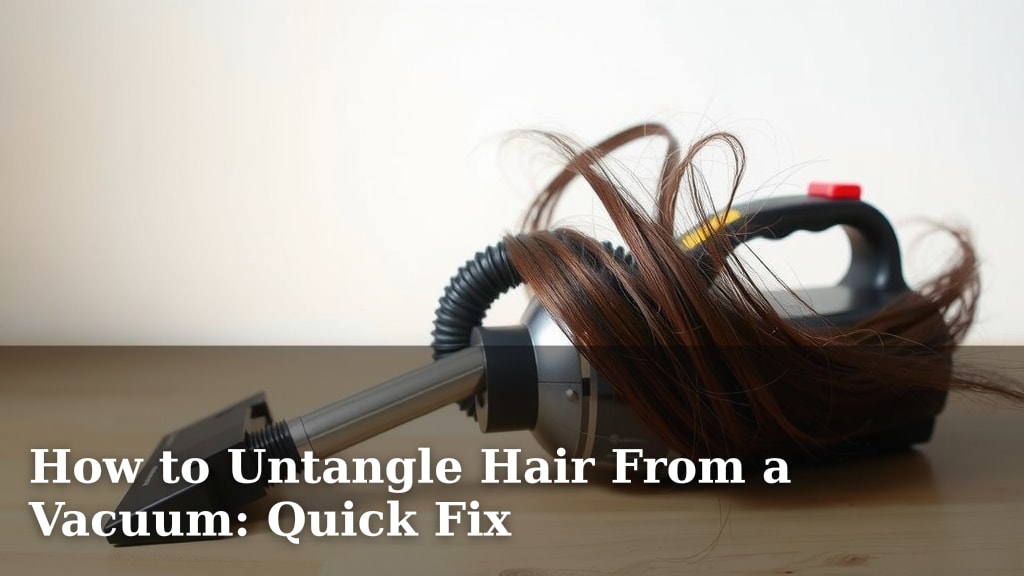
The easiest way to untangle hair from a vacuum is to carefully cut it away with scissors. You’ll want to make sure your vacuum is unplugged first, of course. This quick fix can save your vacuum from becoming a hairball nightmare.
Dealing with tangled vacuum cleaner brushes is a common problem. Over time, hair, strings, and other debris can build up. This buildup can reduce your vacuum’s cleaning power and even damage the motor. We found that addressing this promptly prevents bigger issues.
- Unplug your vacuum before starting.
- Use sharp scissors to cut the tangled mess.
- Gently pull the hair away from the brush.
- Check for any remaining debris.
Let’s walk through exactly how to get that hair out so your vacuum can get back to work!
“`htmlClearing Your Vacuum Cleaner’s Brush Roll of Hair
Is your vacuum cleaner struggling to pick up dirt? Does the brush roll seem stuck or sluggish? Chances are, hair and other debris have wrapped themselves around the brush. This is a super common problem, but thankfully, it’s usually an easy fix! Let’s get that brush roll spinning freely again.
When hair gets tangled, it can really mess with your vacuum’s performance. We found that a clogged brush roll can reduce suction. It can even make your vacuum work harder, potentially shortening its lifespan. Addressing this problem promptly is key to keeping your machine in top shape.
Why Does Hair Get Tangled on the Brush Roll?
It’s a bit of a mystery how it all happens, isn’t it? You vacuum your floors, and before you know it, the brush roll is a hairy mess. This happens because the bristles on the brush are designed to grab dirt and debris. Unfortunately, they’re just as good at grabbing hair, threads, and small strings.
These materials then get wound tightly around the rotating brush. Think of it like a tiny, furry boa constrictor. Over time, this buildup can become quite dense. We found that pet hair is particularly prone to this issue due to its texture and length.
Gathering Your Tools for the Job
Before you start, you’ll want to have a few things handy. This will make the process go much smoother and faster. Having the right tools prevents frustration and ensures you don’t accidentally damage your vacuum.
Here’s what you’ll need:
- Sharp scissors or a seam ripper: For cutting through the tangled hair. A good, sharp pair makes all the difference.
- Pliers or tweezers: Useful for pulling out stubborn bits of hair or string.
- A soft brush or cloth: To clean any remaining dust or small debris after the hair is removed.
- Gloves (optional): If you’d rather not touch the accumulated gunk.
Step-by-Step Guide to Detangling
Now that you’re prepared, let’s get down to business. The most important first step is safety. Always make sure your vacuum is unplugged. Seriously, this is non-negotiable! We don’t want any accidental starts while your hands are near the brush.
Accessing the Brush Roll
Most vacuums have a way to easily remove the brush roll or access it from the bottom. Consult your vacuum’s manual if you’re unsure. Many upright vacuums allow you to tilt them back, exposing the underside. Some canister vacuums have a detachable head that you can turn over.
We found that on some models, you might need to remove a plate or cover. This usually involves a few screws. Keep those screws in a safe place so you don’t lose them!
Carefully Cutting the Tangles
This is where your scissors or seam ripper comes in. Gently insert the blade of your scissors under the tangled hair. Work slowly and carefully. Your goal is to cut the hair without nicking the brush bristles or the vacuum housing. Many experts recommend cutting parallel to the brush roll.
Try to cut as close to the brush roll as possible. This loosens the grip of the hair. You might need to make several passes. Don’t rush this part. If you encounter a particularly stubborn section, you might need to use your pliers or tweezers to get a good grip and pull it free as you cut.
Removing the Cut Hair
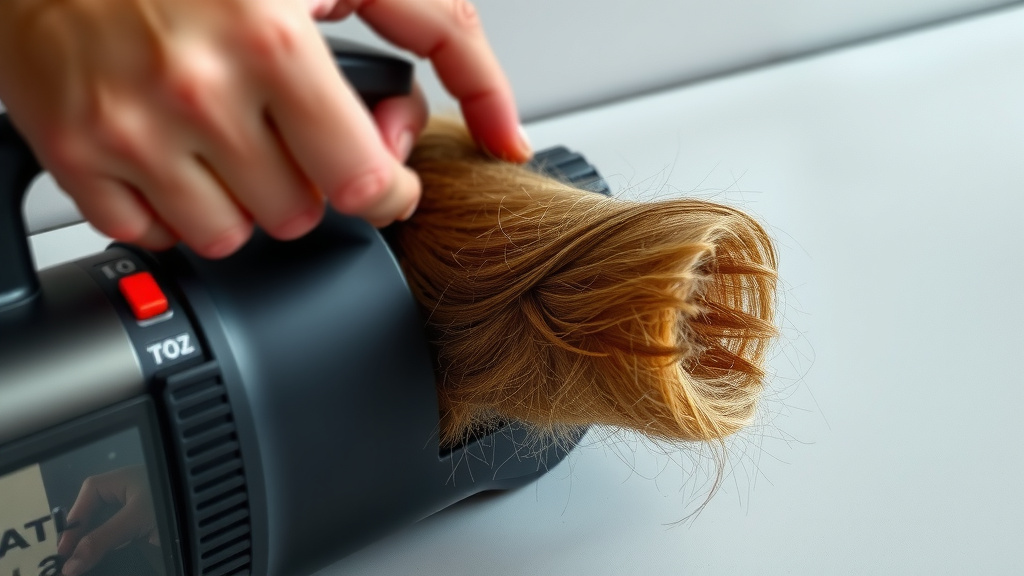
Once you’ve cut through the main mass of tangled hair, it’s time to pull it away. You should be able to grab sections of the cut hair and pull them off the brush. If there are still small pieces clinging to the bristles, use your pliers or tweezers to gently remove them.
We found that sometimes hair gets wrapped very tightly around the ends of the brush roll, near the bearings. Be extra gentle in these areas. Excessive force could damage these delicate parts. Many guidelines suggest a light touch here to avoid issues (Consumer Product Safety Commission).
Cleaning Up Any Leftover Debris
After all the major tangles are gone, take a moment to clean the brush roll itself. Use your soft brush or cloth to wipe away any remaining dust, lint, or small particles. You want the brush roll to be as clean as possible.
Check the vacuum’s housing around the brush roll too. Sometimes debris can get lodged in crevices. A quick wipe-down ensures everything is clear. This thorough cleaning helps maximize your vacuum’s efficiency.
Reassembling and Testing
If you removed any covers or plates, it’s time to put them back. Ensure all screws are tightened securely. Then, you can carefully set your vacuum back upright.
Now for the satisfying part! Plug in your vacuum and turn it on. Listen to the sound of the brush roll. Does it sound smoother? Does it spin with more freedom? Test it on a small area of your floor. You should notice a big difference in its cleaning ability.
When to Consider a Professional
For most tangled brush rolls, the DIY method works wonders. However, there are times when it’s best to seek expert help. If you’ve tried these steps and your vacuum is still not performing well, there might be a deeper issue. This could involve a motor problem or a more complex blockage.
We found that if the brush roll is physically damaged or if the motor seems to be struggling excessively, it’s wise to consult a professional. They have the tools and expertise to diagnose and fix more serious problems. Don’t hesitate to reach out to the manufacturer’s support or a local repair shop.
Preventing Future Hair Tangles
Once your vacuum is clean and working perfectly, you’ll want to keep it that way. Regular maintenance is key to preventing those frustrating hair tangles from building up again so quickly. Think of it as giving your vacuum a little spa treatment regularly!
Here’s a simple checklist to help you stay on top of it:
- Check the brush roll weekly or bi-weekly.
- Trim long hairs with scissors as soon as you notice them.
- Empty your vacuum’s dustbin regularly.
- Consider using a vacuum designed for pet hair if you have furry friends.
- Perform a deeper clean of the brush roll every few months.
By incorporating these simple checks, you can significantly reduce the chances of your vacuum becoming a hairball hazard. Keeping your brush roll clear ensures your vacuum works efficiently and lasts longer. It’s a small effort for a much cleaner home!
“`Conclusion
You’ve now got the know-how to tackle that frustrating hair tangle on your vacuum’s brush roll. Remember, safety first—always unplug your machine before you start. With a few simple tools like sharp scissors and patience, you can easily cut away the mess and restore your vacuum’s cleaning power. We found that regular checks and quick detangling sessions are the secret to keeping your vacuum running smoothly and extending its life. Don’t let hair be the boss; take charge and enjoy a cleaner home!
Frequently Asked Questions
How often should I check my vacuum’s brush roll for hair?
We recommend checking your brush roll at least once a week, or bi-weekly if you don’t have pets or a lot of shedding. Catching tangles early makes them much easier to remove and prevents them from impacting performance.
Can cutting the hair damage my vacuum’s bristles?
It’s possible if you’re not careful. Always use sharp scissors and try to cut the hair as close to the brush roll as possible, without digging into the bristles themselves. Cutting parallel to the roll is often best.
What if the hair is wrapped around the ends of the brush roll?
Hair can get very tight around the ends, near the bearings. Be extra gentle in these spots. Pliers or tweezers can help grip stubborn bits, but avoid yanking forcefully, which could damage delicate parts.
My vacuum still isn’t cleaning well after removing hair. What else could be wrong?
If clearing the brush roll didn’t fix the performance issue, there might be a deeper problem. This could be a clog further down the hose, a full dustbin, or even a motor issue. Consult your vacuum’s manual or a repair professional.
Are some vacuums better at handling pet hair than others?
Yes, many vacuums are designed specifically for pet hair with features like anti-tangle brush rolls or stronger suction. If pet hair is a constant battle, researching models designed for pet owners could save you a lot of hassle.