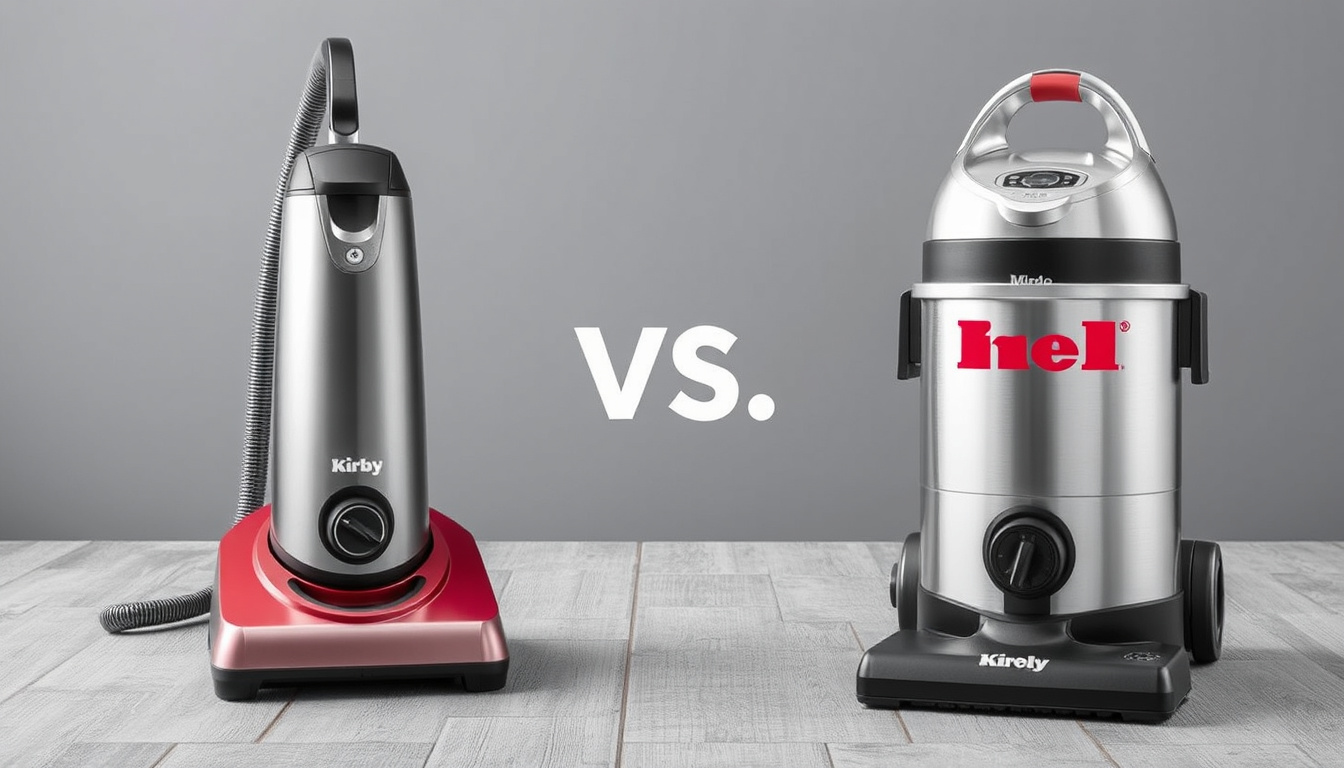
kirby vs miele vacuum
Kirby vs Miele Vacuum: Which Premium Brand Lasts a Lifetime?
When you’re standing in front of two of the most prestigious vacuum brands on the market, how do you decide which one deserves a permanent spot in your home? I’ve spent countless hours researching, comparing, and analyzing both Kirby and Miele vacuums, and I’m here to help you navigate this important decision. Let me be honest with you right from the start—both brands command respect in the cleaning world, but they’re quite different beasts when you really dig into the details.
Think of the vacuum market as a kingdom with different territories. In one corner, you have brands that focus on innovation and technology. In another, you have companies that prioritize durability and simplicity. Kirby and Miele occupy fascinating positions in this landscape, and understanding where they stand is crucial before making your investment.
What Makes a Vacuum Worth Your Money?
Before we dive into the specifics, let’s establish what truly matters when evaluating premium vacuums. Are you looking for something that will last you through decades of use? Do you need cutting-edge technology and smart features? Is portability important, or are you focused purely on cleaning power? These questions should guide your decision far more than brand loyalty or price tags alone.
Kirby Vacuum: The American Legacy Brand
Kirby has been around since 1908, which means this company has been perfecting the art of vacuuming for over a century. That’s not just a number—it represents generations of families using Kirby products, passing them down like heirlooms, and trusting them with their homes.
The Kirby Philosophy and Design Approach
Kirby vacuums are built on a philosophy that’s almost stubbornly committed to durability. They’re heavy, they’re powerful, and they’re designed to handle serious cleaning jobs. When you pick up a Kirby, you immediately feel the weight and the quality. It’s like comparing a sturdy wooden desk to a lightweight plastic table—you know which one will still be standing strong twenty years from now.
Construction and Build Quality
The construction of Kirby vacuums emphasizes metal components and reinforced plastic. The motors are legendary for their longevity, with many owners reporting that their Kirby models from the 1980s and 1990s still run perfectly today. The company uses a design philosophy where components are meant to be repaired and replaced rather than discarded entirely. This approach resonates strongly with environmentally conscious consumers and those who value sustainability.
Cleaning Performance and Versatility
Kirby vacuums don’t just vacuum—they transform into multiple cleaning tools. You can use them for carpet cleaning, bare floors, upholstery, and even air purification depending on the model. This versatility means you’re getting multiple tools in one investment. The suction power is consistently strong across different surfaces, which is something users absolutely rave about in online reviews and forums.
The Kirby Range of Models
Kirby offers several models at different price points, but even their entry-level options maintain the brand’s commitment to quality. The Kirby Sentria II, for instance, has become legendary for its reliability. The Kirby Avalir 2 represents their more advanced offering with improved features and technology integration.
Popular Kirby Models Worth Considering
- Kirby Sentria II – Known for exceptional durability and strong suction
- Kirby Avalir 2 – Features advanced technology and enhanced performance
- Kirby Diamond Edition – Combines classic design with modern improvements
- Kirby Generation 3 – Represents the brand’s latest technological advances
Miele Vacuum: The German Engineering Marvel
Now let’s talk about Miele, a company that hails from Germany and brings with it the reputation of German engineering excellence. Miele has been in business since 1899, making it almost as old as Kirby, but the company’s approach to vacuum design tells a completely different story.
The Miele Philosophy and Design Approach
Miele represents precision, sophistication, and innovation. While Kirby says “we’ll make this last forever,” Miele says “we’ll make this the most efficient and thoughtfully designed machine possible.” It’s a subtle but important distinction. Miele vacuums tend to be lighter, quieter, and packed with intelligent features that make the cleaning experience more pleasant and refined.
Construction and Engineering Excellence
Miele vacuums feature a different construction philosophy than Kirby. Rather than maximizing weight and durability through sheer material density, Miele uses premium materials strategically placed where they matter most. The company invests heavily in research and development to create components that are both efficient and long-lasting. Their motors, for instance, are engineered to reach incredibly high efficiency standards while maintaining whisper-quiet operation.
Advanced Features and Technology Integration
This is where Miele really shines. Their vacuums often include features like sealed HEPA filtration systems, automatic power adjustment based on surface type, and intuitive control systems. If you value technological sophistication and want a vacuum that feels like it belongs in the modern era, Miele delivers in spades. The AirClean filter system, for example, automatically extends the filter’s life by adjusting suction power based on dust accumulation.
The Miele Range of Models
Miele typically focuses on fewer, more refined models rather than a broad range. This approach means each model receives meticulous attention to detail. Their canister vacuums are particularly renowned, though they also offer upright models and specialty options.
Notable Miele Models in Today’s Market
- Miele Complete C3 Alize – A compact powerhouse known for efficiency
- Miele Complete C3 Brilliant – Combines power with advanced filtration
- Miele Dynamic U1 – The brand’s upright vacuum offering premium performance
- Miele Triflex HX1 – Their cordless option for modern homes
Head-to-Head Comparison: Key Factors
Suction Power and Cleaning Effectiveness
Both brands deliver powerful suction, but they approach it differently. Kirby vacuums generate impressive raw power that seems almost relentless in comparison. Miele focuses on smart, efficient suction that adapts to different surfaces and situations. For deep carpet cleaning and heavy-duty jobs, Kirby edges ahead. For balanced performance across various surfaces with less noise, Miele takes the prize.
Noise Levels and User Experience
Here’s something that might surprise you: using your vacuum every day means you’ll hear it every single time. Kirby vacuums are noticeably louder, producing around 78-80 decibels. Miele vacuums operate at approximately 65-70 decibels, which is a meaningful difference when you’re pushing it around your living room for thirty minutes. If you have young children or pets who are sensitive to noise, this factor shouldn’t be overlooked.
Weight and Maneuverability
Kirby vacuums typically weigh between 35 and 50 pounds, depending on the model. Miele vacuums usually range from 20 to 35 pounds. This difference becomes especially noticeable when you’re vacuuming stairs, cleaning tight spaces, or simply maneuvering around furniture. Younger users and those with physical limitations might find Kirby’s weight more challenging to manage over extended cleaning sessions.
Price Point and Investment Value
Kirby vacuums generally range from $1,500 to $2,500, while Miele vacuums typically fall between $1,200 and $2,000. Neither brand offers budget-friendly options, but Miele usually provides slightly better value in terms of features per dollar spent. However, if you’re viewing this as a true lifetime investment, the price difference becomes less significant when spread across decades of use.
Longevity and Durability: The Lifetime Test
This is where the rubber meets the road, so to speak. When you’re asking which vacuum will last a lifetime, you’re really asking about long-term durability and component availability.
Kirby’s Track Record for Longevity
Kirby has documented instances of vacuums lasting 20, 30, and even 40 years with proper maintenance. The company encourages this by making parts readily available and ensuring that repair technicians remain accessible. You can still find repair shops in most cities that specialize in vintage Kirby models. This speaks volumes about the company’s commitment to durability and customer support.
Miele’s Reputation for Lasting Quality
Miele vacuums are also known for impressive longevity, though their track record spans a different timeframe since they’ve focused on the vacuum market more recently. Owners report that Miele vacuums easily last 10-15 years with proper care, and many units continue functioning well beyond that. The brand’s German engineering heritage means components are built to exacting standards and designed for efficiency rather than just raw durability.
Availability of Parts and Service Support
Kirby has an advantage here because the company maintains an extensive network of service centers and authorized dealers. Getting a part replaced or having your vacuum serviced is relatively straightforward. Miele, while also supporting their vacuums well, has fewer service centers in some regions. This is an important consideration if you value easy access to maintenance and repairs.
Maintenance and Care Requirements
Both vacuums require regular maintenance, but the nature of that maintenance differs.
Kirby Maintenance Routine
Kirby vacuums need consistent attention to their belts, brushes, and bags. The company recommends regular belt replacements (typically every 6-12 months depending on usage) and brush inspections. While this might sound like extra work, it’s actually part of why these machines last so long—the maintenance keeps them operating at peak efficiency and prevents premature wear on other components.
Miele Maintenance Routine
Miele vacuums feature more advanced filtration systems that require regular cleaning and occasional replacement, but they often go longer between maintenance tasks. The automatic power adjustment means components experience less wear under normal circumstances. Many Miele owners report fewer required maintenance interventions over the machine’s lifespan.
Which One Truly Lasts a Lifetime?
Here’s my honest assessment: both vacuums can last a lifetime, but they define “lifetime” differently. A Kirby vacuum might still be running perfectly after 30 or 40 years of heavy use. A Miele vacuum might operate flawlessly for 15 to 20 years before eventually needing replacement, but during that time it will provide a more refined and efficient cleaning experience.
The Kirby Lifetime Advantage
If you’re looking for a machine that will absolutely, positively outlast you and can be passed down to your children and grandchildren, Kirby is the choice. The availability of parts, the simplicity of the design, and the company’s dedication to repairability mean your Kirby can theoretically remain functional indefinitely. You’re not just buying a vacuum—you’re buying a family heirloom that cleans.
The Miele Alternative Perspective
If you value the experience of using your vacuum as much as its longevity, Miele offers a different kind of lifetime value. The refined operation, advanced features, and reduced physical strain mean you’ll actually enjoy using it for the years you own it. Sometimes the best investment is one that makes your daily life measurably better.
Special Considerations for Different Households
For Carpet-Heavy Homes
If your home is predominantly carpeted, Kirby’s raw suction power and specialized carpet cleaning capabilities make it the obvious choice. The machine’s design is optimized for extracting dirt from deep within carpet fibers, which is something it does better than almost any competitor.
For Mixed Surface Homes
In homes with hardwood, tile, and carpeting in equal measure, Miele’s adaptive technology becomes more valuable. The automatic surface detection and power adjustment mean you’re not over-cleaning delicate surfaces or under-cleaning heavy carpets.
For Households with Allergies
Both brands offer excellent filtration, but Miele’s sealed HEPA system is particularly effective for allergy sufferers. The precision engineering ensures no unfiltered air escapes during operation.
For Elderly Users or Those with Mobility Concerns
Miele’s lighter weight makes it the more practical choice for users who struggle with heavy appliances. The reduced noise level is also a plus for those sensitive to sound.
Real-World User Experiences and Testimonials
When you look at long-term user reviews, patterns emerge. Kirby owners frequently express amazement at how long their machines last and how easy they are to repair. Miele owners consistently praise the quiet operation and the thoughtful design details that make cleaning feel less like a chore. Both groups report high satisfaction, but for different reasons.
The Financial Perspective: True Cost of Ownership
When you calculate the true cost of ownership over 20 years, you need to factor in maintenance, repairs, filter replacements, and the eventual replacement of the unit itself. A Kirby vacuum might cost more initially but require fewer replacements over its lifetime. A Miele might require eventual replacement, but lower maintenance costs could offset this. The math depends heavily on your personal situation and how much you value various factors.
Environmental Impact and Sustainability
Kirby’s design-for-longevity approach aligns perfectly with sustainable consumption. A machine that lasts 40 years has a far lower environmental impact than four machines lasting 10 years each. Miele’s energy-efficient design uses less electricity per cleaning cycle, which has its own environmental benefits. Both brands are more sustainable than cheaper vacuums that end up in landfills after a few years.
Making Your Final Decision
The choice between Kirby and Miele ultimately comes down to what “lifetime” means to you. Are you looking for a legacy purchase that transcends generations? Choose Kirby. Are you seeking a refined, efficient, and technologically sophisticated cleaning experience that will serve you exceptionally well for the next 15 years? Choose Miele.
Consider visiting a store or showroom where you can actually handle both machines. Feel the weight, listen to the sound, and imagine using it in your home. Sometimes the right choice becomes obvious once you experience both options firsthand.
Conclusion
Both Kirby and Miele vacuums deserve their reputations as premium brands worthy of serious investment. Kirby represents American durability and timeless design—a machine built to last for decades and decades, passing through multiple generations of families. The brand’s commitment to repairability and part availability means your investment remains functional and serviceable indefinitely. If you want a vacuum that becomes a family legend and you value raw cleaning power above all else, Kirby is your answer.
Miele, on the other hand, represents the pinnacle of modern vacuum engineering. It combines efficiency, thoughtful design, and advanced technology into a package that’s more refined and user-friendly. While it may