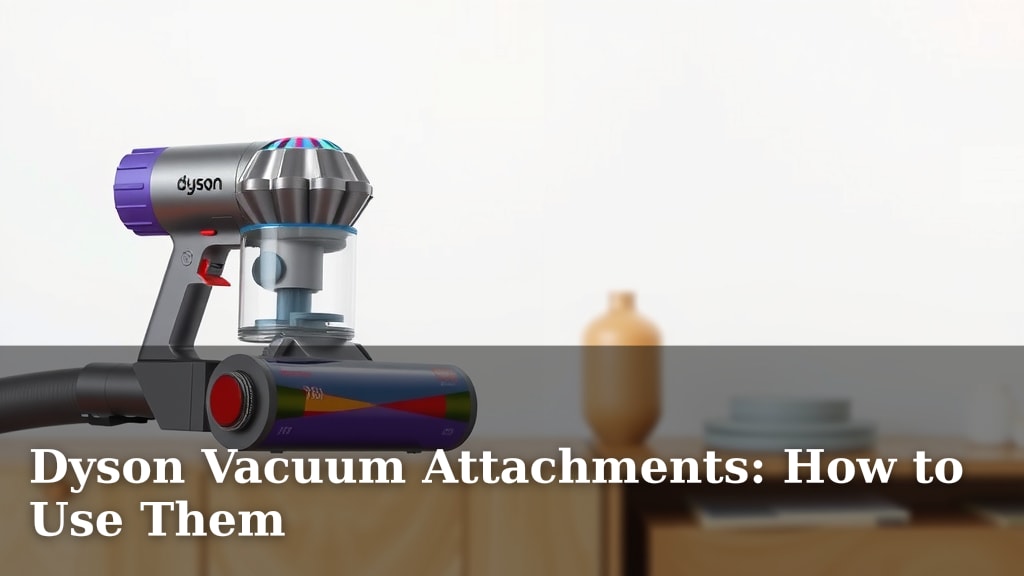
Dyson Vacuum Attachments: How to Use Them
Dyson vacuum attachments are designed to tackle specific cleaning tasks. Using the right one makes your vacuum more versatile and effective. For instance, the crevice tool reaches tight spots, while the soft dusting brush gently cleans delicate surfaces.
Your Dyson likely came with several attachments. These aren’t just extras; they’re key to getting a deeper clean in every corner of your home. We found that understanding each attachment’s purpose can save you time and effort.
- Understand your Dyson attachments.
- Each tool has a specific cleaning purpose.
- Using the right tool saves time and effort.
- Proper use ensures a cleaner home.
Let’s walk through exactly how to use each of your Dyson vacuum attachments to get the most out of your machine.
Mastering Your Dyson Vacuum Tools
Your Dyson vacuum is a powerful cleaning machine. Its secret weapon? The attachments. These tools are not just accessories; they are designed to help you clean every nook and cranny. Let’s dive into how each one works. We found that using the right attachment can transform your cleaning routine.
The Mighty Mini Motorhead: Pet Hair’s Worst Nightmare
Got pets? This tool is for you. The Mini Motorhead attachment is specifically designed to tackle pet hair. Its powered brush bar spins to agitate carpets and upholstery. This action helps lift stubborn pet hair from fabric surfaces. You can use it on your sofa, car seats, or pet beds. It makes removing embedded fur much easier.
Using the Mini Motorhead Effectively
To use it, simply click it onto the wand or direct hose. Glide it over the affected areas. You’ll see how effectively it picks up hair. For deep-pile carpets, you might need a few passes. We found that regular use prevents hair from becoming deeply embedded. This attachment is a true lifesaver for pet owners.
The Crevice Tool: Reaching the Unreachable
Are there spots in your home that seem impossible to clean? The Crevice Tool is your answer. This long, narrow attachment is perfect for tight spaces. Think between sofa cushions, along baseboards, or inside your car’s console. It gets into those awkward areas where dust and debris love to hide. It’s like a vacuum cleaner’s version of a snorkel.
Where to Use the Crevice Tool
You can use this tool on almost any surface where dust collects in tight gaps. It works wonders on window tracks and radiator fins. Don’t forget the edges of your stairs. A quick pass with the Crevice Tool can make a big difference. It helps prevent that build-up of grime in often-forgotten places.
The Soft Dusting Brush: Gentle Cleaning Power
Some surfaces in your home are delicate. You need a tool that cleans without scratching. The Soft Dusting Brush is perfect for this. Its soft bristles gently sweep away dust. Use it on lampshades, bookshelves, or electronics. It can even clean your car’s dashboard without leaving marks. We found it’s ideal for dusting items that you can’t easily wipe with a cloth.
Caring for Your Valuables
When using the Soft Dusting Brush, apply light pressure. The bristles are designed to do the work. Avoid vigorous scrubbing. This attachment helps maintain the look of your furniture and decor. It’s a way to keep your home looking its best. Think of it as a gentle spa treatment for your belongings.
The Stubborn Dirt Brush: Tackling Tougher Grime
For more challenging messes, there’s the Stubborn Dirt Brush. This tool features stiffer bristles. It’s designed to dislodge dried-on dirt and mud. It’s perfect for cleaning the interior of your car, especially after a muddy adventure. You can also use it on sturdy furniture or even in your garage. It’s built for those situations where you need a little more scrubbing power.
When to Bring Out the Stubborn Dirt Brush
Use this brush on hard surfaces or durable fabrics. Avoid using it on delicate upholstery or easily scratched materials. Always test in an inconspicuous area first if you’re unsure. This brush helps you tackle tasks that a standard vacuum head can’t manage. It’s your go-to for deep-cleaning tough spots.
The Combination Tool: Versatility in One
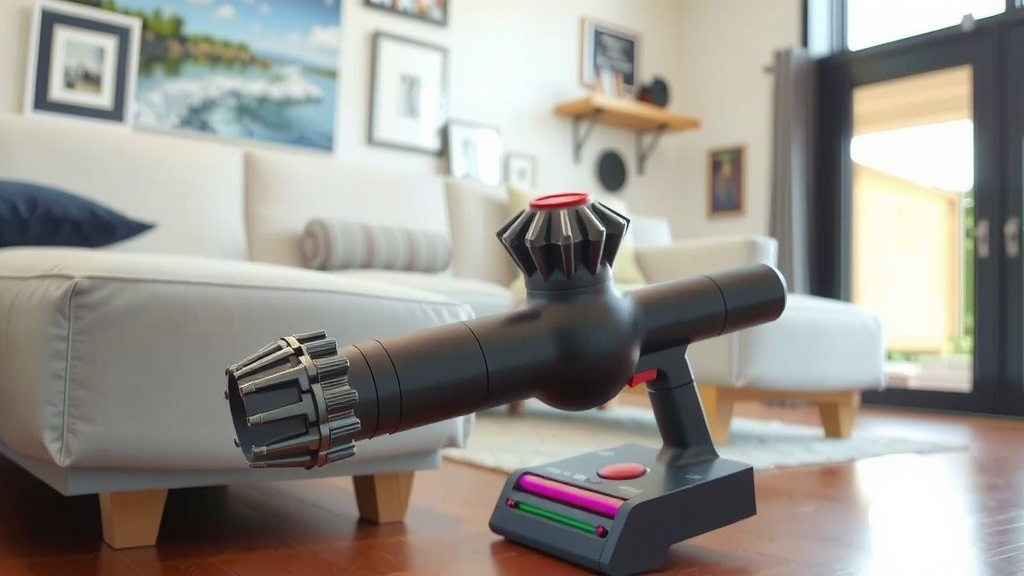
Need a tool that can do a bit of everything? The Combination Tool is your friend. It usually has two modes: a wide nozzle and a brush. You can use the nozzle for general vacuuming. Then, slide the brush out for dusting tasks. This makes it incredibly versatile for quick clean-ups. It’s like having two tools in one, ready for action.
Switching Between Modes
To switch modes, simply slide the brush in or out. The nozzle mode is great for larger areas. The brush mode is useful for surfaces like vents or lampshades. This tool is a convenient choice for everyday cleaning. It reduces the need to constantly swap attachments. We found it’s particularly handy for those “just in case” cleaning moments.
The Hair Screw Tool: Amazing for Upholstery
This is another hero for pet owners or anyone dealing with lots of hair. The Hair Screw Tool has a unique conical brush bar. It’s specifically engineered to collect long hair and pet hair. The hair winds up the spiral and is then deposited into the bin. It works incredibly well on pet beds, stairs, and car interiors. It’s a game-changer for upholstery cleaning.
Maximizing the Hair Screw Tool’s Performance
Attach this tool directly to the vacuum wand or hose. Move it over fabric surfaces. You’ll be amazed at how much hair it picks up. For best results, empty your vacuum bin frequently when using this tool. It ensures optimal suction and collection. This attachment is a must-have for maintaining a hair-free home.
General Attachment Usage Tips
No matter which attachment you’re using, a few tips apply. Always ensure the attachment clicks securely into place. This provides the best seal and suction. Check your vacuum’s manual for specific instructions related to your model. Different Dysons might have slight variations in how attachments connect.
Storage and Care
Store your attachments somewhere accessible. Many Dyson vacuums come with docking stations or storage clips. Keeping them handy means you’re more likely to use them. Regularly check attachments for dust or debris. A quick wipe down can keep them in good working order. Proper care ensures they last for years to come.
Quick Attachment Checklist
- Mini Motorhead: For pet hair on upholstery and stairs.
- Crevice Tool: For tight corners and edges.
- Soft Dusting Brush: For delicate surfaces and electronics.
- Stubborn Dirt Brush: For tough, dried-on messes.
- Combination Tool: For versatile, quick cleaning.
- Hair Screw Tool: For efficient hair removal from fabric.
Conclusion
You’ve now seen how your Dyson vacuum’s attachments are designed to transform your cleaning routine. Each tool, from the Mini Motorhead for pet hair to the Crevice Tool for tight spots, has a distinct purpose. Mastering these attachments means you can tackle any mess with confidence. You’ll save time and achieve a much deeper clean throughout your home. So, take a moment to connect with your tools. Pick an attachment for your next cleaning task and experience the difference yourself!
Frequently Asked Questions
Can I use my Dyson attachments with other vacuum brands?
Dyson attachments are typically designed to work exclusively with Dyson vacuum cleaners. Their connection mechanisms and specific fitting sizes are proprietary. Using them with other brands might not be possible and could potentially damage either the attachment or the non-Dyson vacuum.
How often should I clean my Dyson vacuum attachments?
We recommend cleaning your attachments regularly, especially after tackling tough messes like pet hair or dirt. A quick wipe-down after each use is ideal. For deeper cleaning, you can often rinse them with water (ensure they are completely dry before reattaching) or use a damp cloth for stubborn debris.
What’s the best way to store my Dyson attachments?
Most Dyson vacuums come with docking stations or storage clips designed to hold your attachments. Keeping them attached to the vacuum or stored in a designated spot makes them easily accessible. This prevents them from getting lost and encourages you to use the right tool for the job.
My Dyson attachment isn’t picking up dirt well. What should I do?
First, check if the attachment is securely clicked into place. Ensure there are no blockages within the attachment or the vacuum’s hose and wand. Also, make sure your vacuum’s bin isn’t full, as this significantly impacts suction power. If problems persist, consult your Dyson manual or customer support.
Are there Dyson attachments specifically for hard floors?
Yes, Dyson offers various cleaner heads and attachments suited for hard floors. While some general-purpose tools can be used, specific hard floor heads often feature soft rollers or anti-static carbon fiber filaments designed to capture fine dust and larger debris without scratching. Check your vacuum’s included accessories or Dyson’s website for options.

![7 Best Canister Vacuum Under $500 [2026]](https://neatixo.com/wp-content/uploads/2026/05/7-best-canister-vacuum-under-500-2026-featured-768x432.jpg)