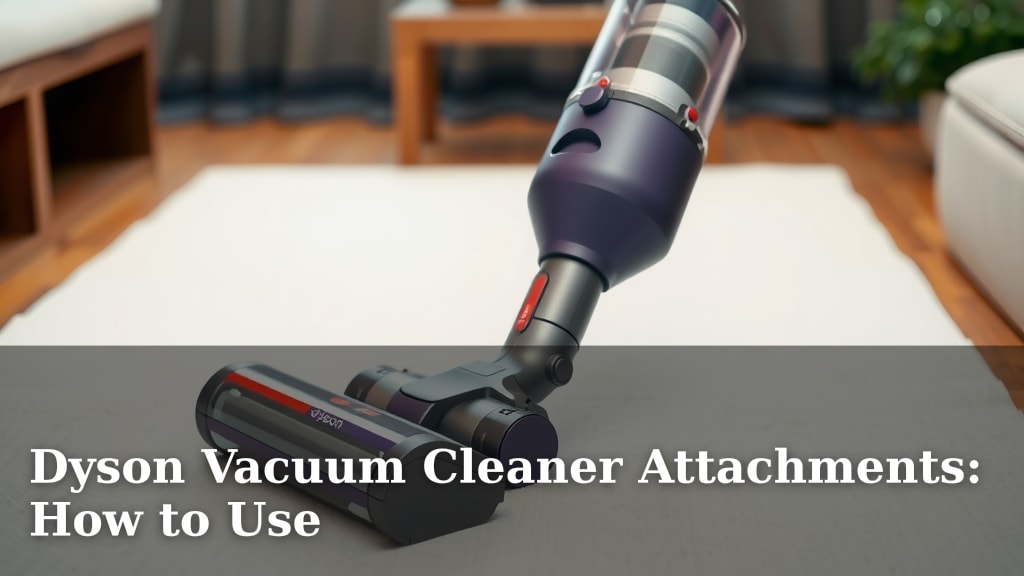
Dyson Vacuum Cleaner Attachments: How to Use
Using your Dyson vacuum cleaner attachments effectively can transform your cleaning routine. You can tackle everything from upholstery to tight corners with the right tool. Each attachment is designed for a specific cleaning task, making your Dyson more versatile than you might think.
Many Dyson owners know their vacuum is powerful, but they might not be using its full potential. Understanding your attachments means you can achieve a deeper clean in more places. We’ve researched how these tools work best and found that many people simply don’t know which attachment to use where, leading to missed spots.
- Dyson attachments make cleaning easier.
- Each tool has a specific purpose.
- Using them correctly helps you clean more deeply.
- This guide shows you how to use each one.
- Get ready for a spotless home!
Let’s walk through exactly how to use each of your Dyson vacuum cleaner attachments to make your home sparkle. You’ll be a cleaning pro in no time!
“`htmlMastering Your Dyson Vacuum Attachments: A Practical Guide
Your Dyson vacuum cleaner is a powerful cleaning machine, but its true potential often lies in the attachments it comes with. These tools are not just extras; they are designed to target specific messes and surfaces. We found that many people don’t realize how much easier certain cleaning jobs become with the right attachment. Let’s make sure you’re using yours to their full capability and getting that spotless home you deserve.
The Essential Dyson Attachments and How to Use Them
You’ve probably got a few different tools that came with your Dyson. They might look a bit confusing at first, but each one has a very specific job. Understanding these jobs means you can clean your home more efficiently and effectively. We’ve put together a guide to help you identify and use them properly. So, let’s dive into what each attachment can do for you!
The Torque Drive/Torque Cleaner Head
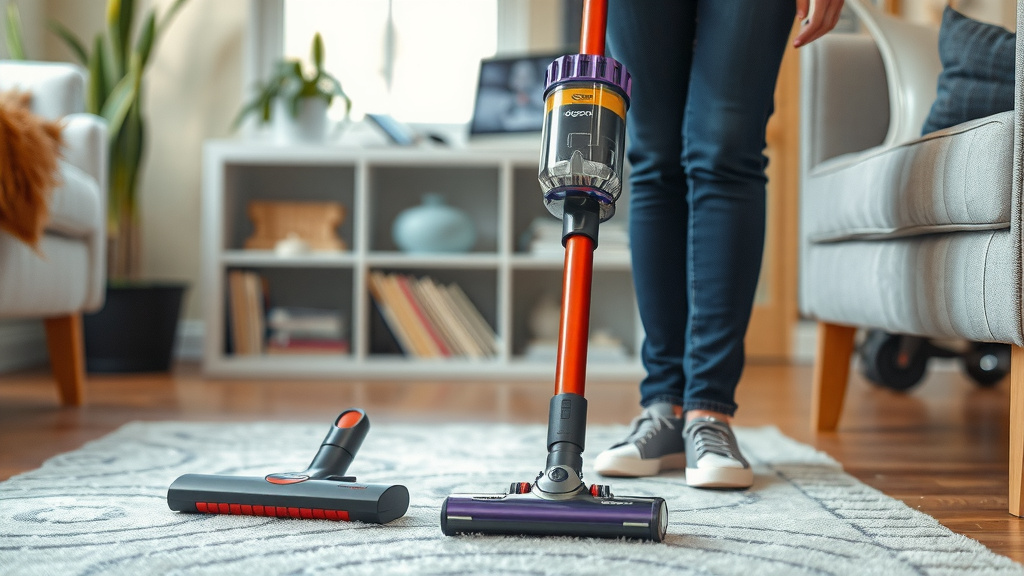
This is likely your main cleaning head, designed for carpets and hard floors. It has a powerful motor that drives the brush bar. You’ll use this for everyday vacuuming on most floor surfaces. Its design helps to agitate carpet fibers, lifting out dirt. On hard floors, it’s gentle enough not to scratch but effective at picking up debris. You don’t need to switch settings; it automatically adjusts to different floor types. Just click it on and go!
The Soft Roller Cleaner Head (Fluffy Head)
Do you have mostly hard floors like wood, tile, or laminate? Then the Soft Roller Cleaner Head is your best friend. It looks different from the main head, featuring soft woven nylon. This attachment is specifically designed to capture large debris and fine dust simultaneously. It works by lifting larger particles without scattering them. It also has an anti-static carbon fiber filament to reduce static cling. We found this is excellent for preventing that frustrating dust-spreading effect on smooth surfaces. Just remember, it’s not ideal for deep-pile carpets.
The Crevice Tool
This is a long, narrow attachment, almost like a skinny stick. Its primary purpose is to reach those hard-to-get-to places. Think about the gaps between sofa cushions, the edges of your car seats, or the narrow space between your appliances and the wall. The narrow opening concentrates suction, allowing you to pull out dust and debris from tight spots. You might be surprised by how much gunk accumulates there! This tool is perfect for deep cleaning those often-neglected areas.
The Combination Tool
This is a real workhorse. It’s a two-in-one attachment: a wide nozzle with a brush tool that can be slid up or down. Use the brush down for dusting delicate surfaces like shelves, picture frames, or lampshades. The soft bristles gently sweep away dust without scratching. Slide the brush up, and you have a standard wide nozzle. This is great for general upholstery, stairs, or larger surface areas where you need a bit more coverage than the crevice tool. It’s incredibly versatile.
The Upholstery Tool
This attachment is designed for fabric surfaces. It’s wider than the crevice tool and often has a velvet strip or a felt strip on the underside. This helps to lift pet hair and dust from sofas, chairs, mattresses, and even curtains. The wider head allows you to cover more surface area efficiently. You might find it particularly useful if you have pets that shed. We’ve seen great results using this on fabric furniture to remove embedded hair and dust bunnies.
The Mini Motorized Tool (Tangle-Free Turbine Tool)
This is a small but mighty attachment, often referred to as the pet hair tool. It features a conical brush bar, which is designed to prevent hair from wrapping around it. Instead, hair is directed into the vacuum bin. It’s perfect for cleaning upholstery, pet beds, and car interiors where pet hair can be a real problem. You can also use it on stairs and other smaller, fabric-covered surfaces. Its powerful suction and specialized brush make short work of stubborn pet fur.
The Soft Dusting Brush
This attachment is all about gentle dusting. It has soft bristles, similar to a makeup brush but larger. It’s ideal for cleaning delicate items like computer keyboards, screens, vents, blinds, and lampshades. The soft bristles can sweep away dust without causing any damage. You can even use it on the delicate parts of your car’s interior. Just be sure to use it on a lower suction setting if your Dyson allows for that, or ensure the surface is stable.
The Stubborn Dirt Brush
Got some really tough grime? This brush is for you. It has stiffer bristles than the dusting brush. It’s designed to tackle dried mud, sticky spots, or ground-in dirt on hard surfaces. Think of the mats in your car, or perhaps tough scuffs on tile floors. It works by agitating the dirt, loosening it so your vacuum can suck it up. However, it’s important to use this one with care on delicate surfaces, as the stiffer bristles could potentially cause scratches.
The High-Reach Adaptor
This handy tool allows you to bend and lock your wand at different angles. It’s a lifesaver for cleaning high places, such as the tops of cabinets, light fixtures, or the tops of curtain rails. It makes reaching those awkward high spots much easier and safer. You can connect other tools, like the crevice tool or combination tool, to the end of the High-Reach Adaptor. We found this attachment really makes tackling cobwebs and dust in high corners a breeze.
Putting Your Attachments to Work: A Quick Checklist
To help you remember which tool to grab, here’s a quick rundown:
- Hard Floors & Everyday Cleaning: Torque Drive Head or Soft Roller Cleaner Head (for hard floors).
- Tight Spaces & Edges: Crevice Tool.
- Upholstery & Pet Hair: Upholstery Tool or Mini Motorized Tool.
- Dusting Delicate Surfaces: Soft Dusting Brush or Combination Tool (brush down).
- Tough Grime: Stubborn Dirt Brush.
- High or Awkward Spots: High-Reach Adaptor.
By understanding these attachments, you can significantly improve your cleaning routine. No more guessing which tool to use! You’ll be able to tackle every mess, from the deepest carpet stains to the highest dust bunnies, with confidence. Your Dyson is more versatile than you might have thought, and now you have the knowledge to prove it!
“`
Conclusion
You’ve now seen how each Dyson attachment plays a vital role in a thorough clean. From the Torque Drive Head for everyday floors to the Crevice Tool for tight spots, you have the right tool for almost any mess. Understanding these attachments means you can clean your home more efficiently and deeply. So, take a moment to identify your tools. Then, try using the right one for your next cleaning task. You’ll be amazed at the difference it makes in achieving a truly spotless home.
Frequently Asked Questions
How do I store my Dyson vacuum attachments?
Many Dyson vacuums come with a docking station or wall mount that includes storage for some attachments. You can also purchase separate storage solutions like caddies or bags to keep them organized. Keeping them accessible means you’ll be more likely to use the right tool for the job.
Can I use attachments from one Dyson model on another?
Generally, Dyson attachments are designed to be compatible within certain model ranges. Check your Dyson’s manual or Dyson’s official website for compatibility information before trying to mix and match. Most newer models use a click-in system that is fairly standardized, but older models might differ.
My Dyson attachments aren’t picking up well. What could be wrong?
First, ensure the attachment is correctly and securely clicked onto the wand or vacuum body. Check that the vacuum bin isn’t full and that there are no blockages in the wand or the attachment itself. Sometimes, the brush bar in a cleaner head can get tangled with hair or debris, which will need clearing.
How often should I clean my Dyson attachments?
It’s a good idea to clean your attachments regularly, especially if you notice dust or debris buildup. Most hard plastic attachments can be washed with warm water and mild soap; just be sure they are completely dry before reattaching. For brush heads, remove any tangled hair or fibers by hand or with scissors.
Which attachment is best for pet hair on furniture?
For furniture and pet hair, the Mini Motorized Tool (also called the Tangle-Free Turbine Tool) is usually your best bet. Its conical brush bar is designed to prevent hair from tangling and effectively lifts embedded fur. The standard Upholstery Tool is also a good option for general fabric cleaning.