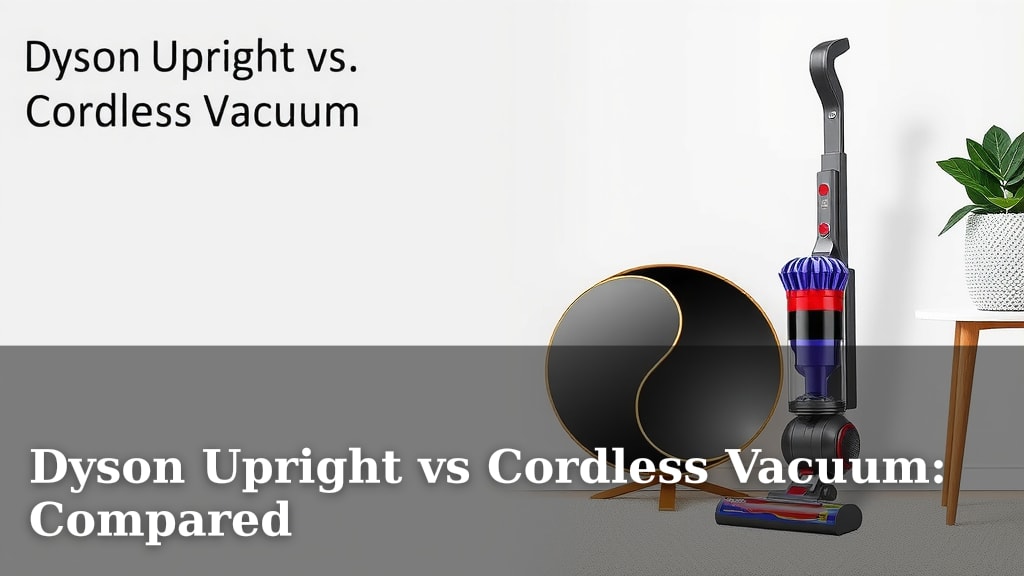
Dyson Upright vs Cordless Vacuum: Compared
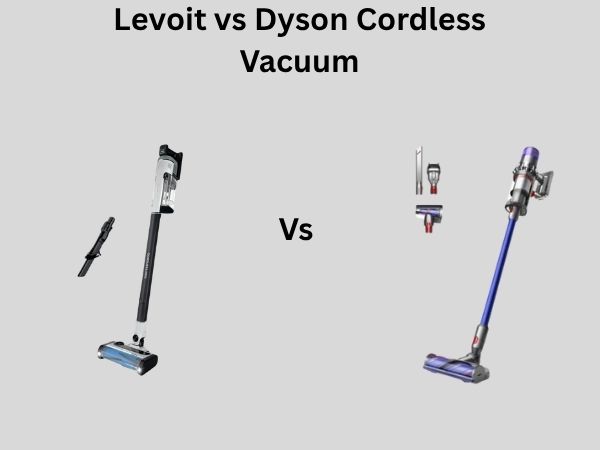
Deciding between a Dyson upright and a cordless vacuum cleaner? For most homes, a Dyson cordless vacuum offers superior convenience and excellent cleaning power for everyday messes. While uprights provide deep cleaning, the flexibility and ease of use of cordless models often win out for busy households dealing with quick cleanups and versatile floor types. It really depends on your cleaning habits and home layout.
We’ve found that Dyson’s innovation shines in both categories, but the cordless range has revolutionized how people approach vacuuming. Upright vacuums, while powerful, can feel cumbersome for smaller tasks. Cordless models, on the other hand, are great for tackling stairs, cars, and quick spills with minimal effort and maximum speed.
TL;DR:
- Cordless vacuums are usually more convenient for most homes.
- Upright vacuums offer deep cleaning power.
- Consider your home size and cleaning needs.
- Both Dyson options are high-performing.
We’ve reviewed the best of both worlds to help you pick the perfect Dyson for your cleaning needs. Let’s break down the key differences and help you make the right choice.
Dyson Upright vs. Cordless: Which Vacuum Is Right for Your Home?
Choosing the right Dyson vacuum cleaner can feel like a big decision. You want something that cleans well. You also want it to fit your lifestyle. Dyson offers both powerful upright models and super convenient cordless stick vacuums. We’ve looked at what makes each type stand out. This will help you figure out which one best suits your daily cleaning needs and your home’s unique layout.
Understanding Dyson’s Core Technologies
Dyson is known for its advanced engineering. They often put powerful, lightweight motors into their vacuums. This means you get strong suction without feeling weighed down. Their cyclones are also a big deal. These help separate dirt and dust from the air so it doesn’t clog the filter. This means your vacuum keeps cleaning powerfully.
The Power of Dyson’s Digital Motors
At the heart of most Dyson vacuums is their proprietary digital motor. These motors spin incredibly fast, often exceeding 100,000 RPMs. This speed creates powerful airflow. It allows the vacuum to suck up fine dust and larger debris with ease. We found that this innovation makes even their cordless models pack a serious punch.
Cyclone Technology for Consistent Suction
Ever notice how some vacuums lose power as the bin fills up? Dyson’s cyclone technology aims to prevent that. The vacuums create powerful centrifugal forces. These forces spin dirt and debris away from the airflow. This keeps the air moving freely. The result is consistent, strong suction from start to finish. Many experts agree that this is a key differentiator (Dyson Engineering Reports).
Dyson Cordless Vacuums: Flexibility and Freedom
Cordless vacuums have truly changed the cleaning game. Their biggest draw is definitely the lack of a cord. No more unplugging and replugging as you move from room to room. This makes cleaning much faster and more convenient. You can grab it and go for quick cleanups.
Ease of Use for Everyday Messes
Think about those little spills that happen daily. Crumbs under the dining table? Pet hair on the sofa? A cordless Dyson makes these quick and easy to tackle. They are lightweight and maneuverable. You can easily clean stairs, car interiors, and even high corners. This flexibility is hard to beat for busy households.
Battery Life and Charging Considerations
The main thing to consider with cordless models is battery life. Most Dyson cordless vacuums offer up to 60 minutes of fade-free suction on a single charge in eco mode. However, this can be less on higher power settings. Charging typically takes a few hours. Many people find it works best to charge the vacuum after each use. This way, it’s always ready when you need it. Some models come with multiple batteries for longer cleaning sessions.
Versatility with Attachments
Dyson includes a range of handy attachments with their cordless vacuums. These can turn your vacuum into a real cleaning tool. There are crevice tools for tight spots. There are brush heads for upholstery. Some even have specialized tools for pet hair or delicate surfaces. This adaptability makes them great for more than just floors.

Dyson Upright Vacuums: Deep Cleaning Powerhouses
When you need serious, deep cleaning, upright vacuums have traditionally been the go-to. They often have larger bins and more power for tackling carpets. If you have a lot of carpeted areas or deal with tough-to-remove dirt, an upright might appeal to you.
Carpet Cleaning Capabilities
Dyson uprights are designed to get deep into carpet fibers. They use powerful suction and specialized brush rolls. This helps to agitate and lift embedded dirt and allergens. We found that for homes with wall-to-wall carpeting, uprights can offer a more thorough clean. Their wider cleaning heads can also cover more ground quickly.
Weight and Maneuverability Challenges
The trade-off for their deep cleaning power is often weight and maneuverability. Upright vacuums can be heavier and more difficult to push, especially on thick carpet. Steering around furniture can also be a challenge. While Dyson has made strides in making them lighter, they still can’t match the agility of a cordless model. This is something to think about if you have mobility concerns or a home with many obstacles.
The Plug-In Advantage
Unlike cordless models, upright vacuums are powered by a cord. This means you don’t have to worry about battery life during long cleaning sessions. You can vacuum your entire house without interruption. For very large homes or those who prefer to do all their vacuuming at once, this continuous power is a significant benefit.
Making Your Choice: Key Considerations
So, how do you decide? It really comes down to how you clean and what your home is like. Think about these points:
- Your Home Size and Floor Types: Do you have mostly hard floors or a lot of carpet? Is your home small or large?
- Your Cleaning Habits: Are you a quick-cleaner who tackles messes as they happen, or do you prefer longer, more thorough cleaning sessions?
- Storage Space: Cordless vacuums are generally more compact. Uprights can take up more room.
- Stairs and Mobility: If you have many stairs, a lightweight cordless is usually much easier to manage.
- Budget: Both types can range in price, but often high-end cordless models can be more expensive initially.
A Quick Comparison Table
Here’s a snapshot to help you see the differences side-by-side:
| Feature | Dyson Cordless | Dyson Upright |
|---|---|---|
| Convenience | High – Grab and go, no cord | Moderate – Cord management required |
| Deep Cleaning Power | Excellent, especially on hard floors and low-pile carpet | Excellent, especially on medium-to-high pile carpet |
| Maneuverability | Very High – Lightweight and agile | Moderate – Can be heavier and less nimble |
| Battery/Power | Battery-powered (limited runtime per charge) | Corded (unlimited runtime) |
| Ideal For | Quick cleanups, smaller homes, stairs, versatile surfaces | Larger homes, extensive carpeting, deep cleaning needs |
Checklist: Which Dyson is Your Best Match?
Ask yourself these quick questions to help guide your decision:
- Do you find yourself constantly reaching for the broom for small messes?
- Is navigating around furniture a chore with your current vacuum?
- Do you have multiple types of flooring throughout your home?
- Are you looking for a vacuum that can easily clean stairs or your car?
- Do you prefer to clean up spills immediately rather than waiting for a big clean?
Conclusion
You’ve seen how Dyson’s upright and cordless vacuums each offer excellent cleaning performance. Your choice really boils down to your lifestyle and home. If you prioritize speed, convenience, and tackling messes on the go, a Dyson cordless vacuum is likely your best bet. For those with extensive carpeting needing deep, uninterrupted cleaning, an upright might still be your go-to. Consider your daily cleaning habits and home layout. We recommend assessing your biggest cleaning challenges. Then, make the informed choice that fits your routine best.
Frequently Asked Questions
Can a Dyson cordless vacuum really replace my upright vacuum?
For many homes, yes! Dyson cordless vacuums offer powerful suction and the flexibility to clean all surfaces. They excel at quick cleanups and everyday messes. If you have mostly hard floors or low-pile carpets, a cordless model can absolutely be your primary cleaner. However, if you have deep, plush carpets, you might still benefit from an upright’s specialized cleaning power.
How does battery life affect my cleaning with a Dyson cordless?
Battery life is key. Most Dyson cordless vacuums offer about 60 minutes on their eco mode, but this decreases with higher power settings or motorized tools. We found it’s best to plan your cleaning sessions. Consider charging the vacuum after each use so it’s always ready. Some models offer swappable batteries for extended cleaning times.
Are Dyson upright vacuums too heavy to manage easily?
Dyson has worked to make their upright vacuums lighter and more maneuverable. However, they are generally heavier than cordless models. If you have stairs or limited mobility, you may find them more challenging to push and carry. Test one out if possible to see how it feels for your specific needs.
Which Dyson vacuum is better for pet hair?
Both types can be effective for pet hair. Many Dyson cordless models come with specialized anti-tangle or high-torque cleaner heads designed to tackle pet hair on all floor types. Uprights, with their deep cleaning power, can also be excellent for removing embedded pet hair from carpets. Look for specific pet grooming tools or attachments if this is a major concern.
Where should I store my Dyson vacuum?
Dyson cordless vacuums typically come with wall-mounted docking stations. This keeps them charged and easily accessible. Upright vacuums can usually be stored in a closet or corner. Consider the space you have available when deciding which type will be easier to store conveniently.