Bissell CleanView Vacuum Hose: How to Use It
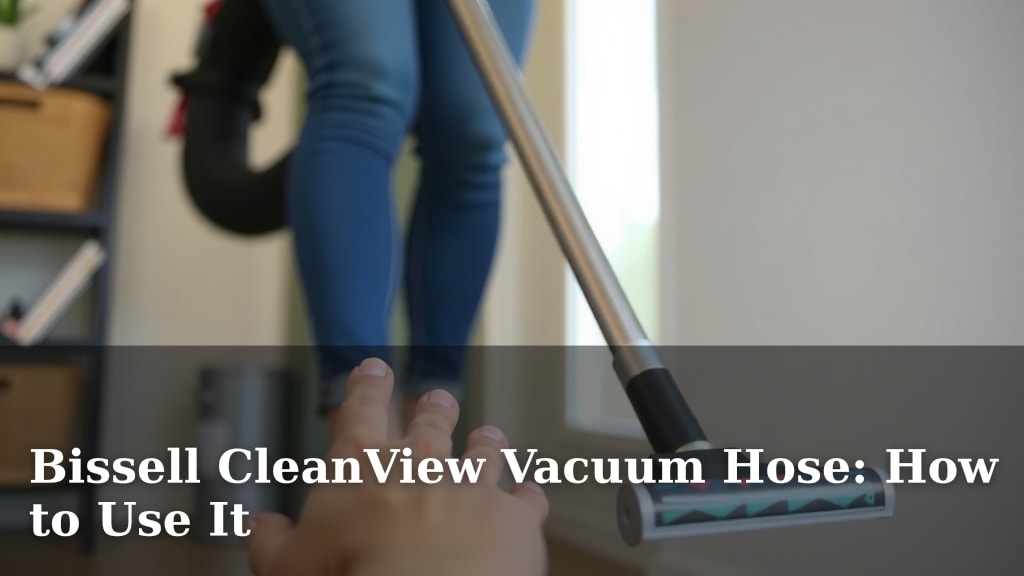
Using your Bissell CleanView vacuum hose correctly is simple and helps you reach those tough spots. You can attach it quickly to extend your vacuum’s reach for cleaning stairs, furniture, and even your car interior. Just make sure you hear a secure click when connecting it to ensure a good seal.
Many people wonder if the hose attachment is tricky. It’s designed for ease of use, making your cleaning routine much more efficient. A properly attached hose allows for powerful suction in areas your main vacuum head can’t easily get to. Think of it as your vacuum’s helpful arm.
- Connect hose securely for best suction.
- Use it for high, low, and hard-to-reach areas.
- Clean stairs, furniture, and car interiors easily.
- Check for a snug fit after attaching.
Let’s walk through exactly how to get the most out of your Bissell CleanView vacuum hose, step by step.
Getting the Most Out of Your Bissell CleanView Hose Attachment
Your Bissell CleanView vacuum hose is a fantastic tool for cleaning those spots that the main vacuum head just can’t reach. It’s designed to extend your vacuum’s cleaning power. We’ll guide you through using it effectively.
Understanding Your Vacuum Hose Components
Before you start, let’s quickly identify the parts you’ll be working with. You have the main vacuum unit, the hose itself, and usually a few different attachments or wands. These attachments are key to tackling different cleaning challenges. Think of them as specialized tools in your cleaning toolbox.
The Flexible Hose
This is the main flexible tube that connects your vacuum’s motor to the cleaning wand or attachment. Its flexibility is what allows you to maneuver around furniture and reach awkward angles. Make sure it’s free of kinks for the best suction. A twisted hose can really cut down on cleaning power.
Cleaning Wands and Attachments
Most Bissell CleanView models come with one or more wands and specialized attachments. You might have a crevice tool for tight spaces or an upholstery tool for furniture. These click onto the end of the hose. They are designed to concentrate the suction where you need it most. Having the right tool makes a big difference.
Connecting the Hose Properly
Connecting the hose correctly is the first and most important step. A secure connection ensures maximum suction and prevents air leaks. Let’s make sure you get it right every time.
Attaching the Hose to the Vacuum Body
Locate the hose port on your Bissell vacuum. It’s usually a dedicated inlet specifically for the hose. Take the end of the hose and line it up with the port. You’ll typically need to push it in firmly. Many users find it helpful to give it a slight twist once inserted. You should hear a satisfying click. This click confirms it’s locked in place. If it feels loose, try reseating it. A good seal is essential for that powerful suction you expect.
Confirming a Secure Fit
After you hear the click, give the hose a gentle tug. It shouldn’t pull out easily. This confirms it’s properly secured. If it detaches with a slight pull, it’s not locked in. Re-attach it and try again. We found that sometimes a bit of dust or debris can prevent a perfect lock, so ensure the port and hose end are clean. This simple check prevents frustration mid-clean.
Using the Hose for Extended Reach Cleaning
The real magic of the hose attachment is its ability to go where the main vacuum head can’t. Stairs, ceilings, and tight corners are no match for it. Let’s explore how to use this feature effectively.
Cleaning Stairs and Upholstery
Vacuuming stairs can be a chore. Using the hose with an appropriate attachment makes it much easier. Attach your preferred cleaning tool to the end of the hose. For stairs, a brush attachment or even the crevice tool can be very effective. You can stand at the top or bottom of the stairs and reach each step without having to drag the entire vacuum up and down. Similarly, for cleaning sofas and chairs, the hose lets you get into the cushions and around the edges. Many experts recommend this method for a deeper clean on fabrics (Cleveland Clinic).
Reaching High and Low Areas
Are dust bunnies lurking on ceiling fan blades or under low-profile furniture? The hose attachment is your solution. Connect the hose and the appropriate wand. For high areas, you might need a longer wand extension. For low areas, the flexibility of the hose itself allows you to slide it under beds and couches. This helps prevent you from having to move heavy furniture. It’s a real back-saver!
Cleaning Your Car Interior
Car interiors often have tight spaces and different surfaces. The Bissell CleanView hose attachment is perfect for this. Use the crevice tool to get between seats and along the door panels. The upholstery tool can help refresh your car seats. You can even bring the vacuum unit just outside the car door or place it on the driveway. This keeps the car cleaner while you work. Many find this method much more efficient than using a small handheld car vacuum.
Choosing the Right Attachment for the Job
Your Bissell CleanView likely came with a few different attachments. Using the correct one is key to getting the best results. Think of them as specialized tools.
The Crevice Tool
This long, narrow tool is designed for very tight spaces. It’s excellent for getting into the gaps between sofa cushions, along baseboards, and in corners. It concentrates the suction into a small area, making it very powerful for picking up debris in these hard-to-reach spots.
Upholstery Tool
This wider attachment usually has a fabric strip. It’s ideal for cleaning furniture, car seats, and curtains. It helps lift dirt and pet hair from fabric surfaces without damaging them. You can use it with the hose to easily clean your sofa without maneuvering the whole vacuum.
Other Specialized Attachments
Depending on your specific model, you might have other tools like a dusting brush or a pet hair tool. Always check your user manual if you’re unsure. These are designed to handle specific cleaning tasks efficiently. Using the wrong attachment might not clean as well and could potentially damage the surface you’re cleaning.
Maintenance and Troubleshooting Tips
A little care goes a long way in keeping your hose attachment working perfectly. Let’s cover some basics.
Keeping the Hose Clean
Periodically, check your hose for any blockages or accumulated dust. You can wipe the exterior with a damp cloth. If you suspect an internal blockage, disconnect the hose from both ends. You can then try to gently push a broom handle or a similar long, blunt object through it. Be careful not to puncture the hose. Most blockages can be cleared this way. Keeping the hose clear ensures you maintain strong suction.
What to Do If Suction Seems Low
If you notice a drop in suction when using the hose, don’t panic. First, double-check that the hose is securely connected at both ends. A loose connection is the most common culprit. Next, check the hose itself for any kinks or twists. Ensure your vacuum’s dustbin or bag is not full. A full dustbin significantly reduces suction power, whether you’re using the hose or not. Finally, check the attachments for clogs. Sometimes debris gets stuck right at the tip of the tool.
Quick Checklist for Hose Usage
Here’s a quick reminder to make sure you’re using your Bissell CleanView hose attachment to its full potential:
- Confirm the hose clicks securely into the vacuum body.
- Check that the attachment is firmly connected to the hose end.
- Ensure the hose is free from kinks and twists.
- Verify the vacuum’s dustbin or bag isn’t full.
- Select the appropriate attachment for the surface you are cleaning.
- Test suction after connecting to ensure a good seal.
Conclusion
You’ve now learned how to properly connect and use your Bissell CleanView vacuum hose for a more thorough clean. Remember, a secure connection is key to achieving that powerful suction you need. By using the right attachments and reaching those tricky spots, you can make your cleaning routine more efficient and effective. Don’t forget to perform simple maintenance like checking for kinks or blockages. Take a moment after reading this to check your vacuum hose connection and ensure it’s secure. Then, tackle those dusty corners with confidence!
Frequently Asked Questions
How do I know if the hose is attached correctly?
You’ll know the hose is attached correctly when you hear a distinct “click” when you push it into the vacuum port. After hearing the click, give the hose a gentle tug to ensure it doesn’t easily pull away. This confirms a secure seal.
Can I use the hose attachment for heavy-duty cleaning, like pet hair?
Yes, you can! For heavy-duty tasks like removing pet hair from upholstery, you’ll want to use the specific upholstery tool attachment. Ensure your hose is securely connected and the vacuum’s dustbin is empty for maximum suction power.
My vacuum hose seems to have lost suction. What should I check first?
The most common reason for lost suction is a loose connection at either the vacuum body or the attachment end. Double-check that the hose clicked securely into the vacuum and that the attachment is firmly on the hose. Also, ensure the hose isn’t kinked or twisted.
Is it safe to use the hose to clean my car’s engine bay?
We recommend against using your Bissell CleanView hose for cleaning a car’s engine bay. These areas can contain delicate components and potentially hazardous debris. The hose attachment is best suited for interior car cleaning, like upholstery and floor mats.
What’s the best way to store the vacuum hose when not in use?
To keep your hose in good condition, store it neatly. Avoid sharp bends or kinks, which can damage the material over time. Many Bissell vacuums have built-in storage options or you can coil it gently and store it in a closet or designated cleaning supply area.
![7 Best Canister Vacuum Under $500 [2026]](https://neatixo.com/wp-content/uploads/2026/05/7-best-canister-vacuum-under-500-2026-featured-768x432.jpg)