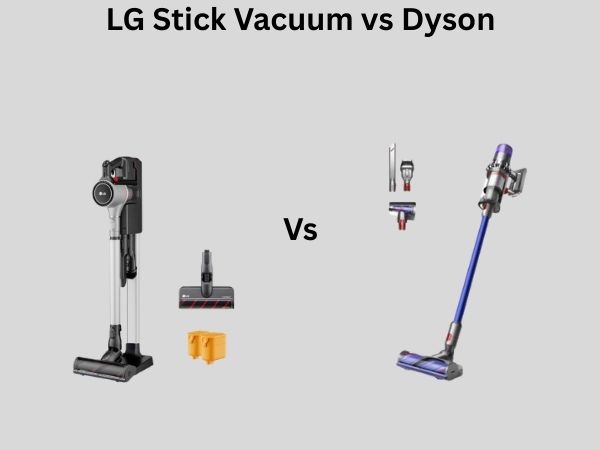
LG Stick Vacuum vs Dyson: The Ultimate Hardwood and Carpet Face-Off
When you’re standing in the middle of your living room surrounded by dust bunnies and wondering which stick vacuum to buy, you’re not alone. The market has exploded with options, and two names keep popping up: LG and Dyson. But here’s the thing—they’re not just any brands. They’re the titans of the cleaning world, and choosing between them feels like picking between two championship contenders. So let’s dig into what makes each one special and help you figure out which one deserves a spot in your home.
Understanding the Basic Differences Between LG and Dyson Stick Vacuums
Let me start by saying that both LG and Dyson have earned their reputations through innovation and dedication to quality. However, they approach the stick vacuum market from different angles. Think of it like this: Dyson is the maverick who’s been in the game longer, constantly pushing boundaries and reinventing what a vacuum can do. LG, on the other hand, is the newcomer with deep technological roots in consumer electronics, bringing their expertise to the cleaning world.
The fundamental difference lies in their philosophy. Dyson has spent decades perfecting cordless vacuum technology and building a brand around premium performance. LG entered the stick vacuum market more recently but brought with them advanced motor technology and smart features that come from their experience in electronics and home appliances.
The Dyson Legacy in Stick Vacuums
Dyson didn’t invent the cordless stick vacuum, but they certainly perfected it. Their V-series and Outsize models have become household names for a reason. These vacuums are engineered with precision, and you can feel the difference when you pick one up. They’ve invested billions in research and development, and that investment shows in every detail.
LG’s Fresh Approach to Cleaning Technology
LG’s stick vacuums, particularly their CordZero line, represent a different strategy. Rather than copying Dyson, LG leveraged their expertise in motor technology and electronics to create something unique. Their dual-motor systems and innovative charging docks showcase that they’re serious about competing in this space.
Design and Build Quality Comparison
Design matters more than you might think when it comes to stick vacuums. After all, you’re going to be holding this thing for extended periods, so it better feel good in your hands.
Dyson’s Aesthetic and Engineering
Dyson vacuums have a distinctive look that you’ll recognize instantly. They’re sleek, modern, and honestly, a bit show-offy. The build quality is exceptional—we’re talking precision-engineered components that fit together like a Swiss watch. The handle is ergonomically designed, and the overall weight distribution makes extended cleaning sessions feel less like a chore.
The materials used are premium. You’ll find polished aluminum, durable plastics that don’t feel cheap, and engineering that suggests Dyson considered every possible use case. However, this premium approach comes with a premium price tag, something we’ll discuss later.
LG’s Design Philosophy
LG approaches design with a minimalist aesthetic. Their CordZero models look cleaner and less aggressive than Dyson models. The design feels more refined in some ways, with thoughtful touches like their iconic charging dock that doubles as a storage solution. The build quality is solid, with attention to detail that reflects LG’s consumer electronics background.
What’s interesting about LG’s design is how the dual-motor system is integrated. Rather than cramming everything into the main unit, LG distributes weight more evenly, which some users find more comfortable for longer cleaning sessions.
Materials and Durability
Both brands use quality materials, but there’s a slight difference in approach. Dyson tends toward premium finishes that look expensive and feel durable. LG focuses on practical materials that prioritize function over flash. Neither is wrong—it’s just different philosophies. In terms of actual durability, both brands stand behind their products with solid warranties.
Suction Power and Performance: Where the Real Battle Heats Up
This is what really matters, right? What good is a beautiful vacuum if it can’t actually pick up dirt? Let’s talk real performance.
Dyson’s Suction Technology
Dyson’s digital motors spin at up to 110,000 revolutions per minute. Yes, you read that right. That incredible speed generates serious suction power. Dyson measures their suction in Air Watts, and their top models deliver over 400 Air Watts. That’s the kind of power that can pull dirt, dust, and pet hair from deep within carpet fibers.
What makes Dyson particularly impressive is their consistency. They maintain strong suction throughout the battery cycle. You won’t experience that dramatic drop-off in power that some vacuums suffer from as the battery depletes.
LG’s Dual-Motor Approach
LG takes a different approach with their dual-motor system. One motor focuses on the main head, while another powers the filtration system. This division of labor allows LG to maintain powerful suction while simultaneously keeping filters clean. It’s an elegant solution that shows engineering thoughtfulness.
The CordZero models deliver suction comparable to Dyson’s offerings, though they measure it differently. In real-world testing, LG vacuums pull dirt and debris effectively from both carpets and hard floors. The difference in actual performance is minimal—both brands will leave your floors looking pristine.
Performance on Different Surfaces
Here’s where things get interesting. Dyson excels on carpets, particularly thick carpets and rugs. That raw suction power is ideal for deep cleaning. LG, with its dual-motor system and thoughtful design, performs remarkably well on both carpets and hard floors. If you have a mixed flooring situation in your home, LG might actually give you a slight edge.
Battery Life and Runtime: How Long Can You Clean?
A vacuum is only as good as its battery. What’s the point of powerful suction if the battery dies after fifteen minutes?
Dyson Battery Performance
Dyson’s latest models offer up to 60 minutes of runtime on lower power settings and around 25 minutes on high power. They’ve made significant improvements in battery technology over the years, moving from nickel-based to lithium-ion batteries. The battery degrades gradually—most Dyson owners report minimal performance loss after several years of use.
LG Battery Technology
LG’s CordZero models feature proprietary battery technology that’s quite impressive. Top models offer up to 80 minutes of runtime, which is genuinely longer than most Dyson models. Plus, LG’s dual-battery system (on certain models) means you can pop out a fully charged battery for extended cleaning sessions without waiting for recharge time.
Charging Speed and Convenience
Dyson’s charging docks are straightforward—stick the vacuum in, wait a few hours. LG’s approach is more sophisticated. Their charging docks are larger and more integrated into your home design. The fast-charge technology on LG models can give you significant runtime in just 30 minutes, which is handy when you need a quick clean.
Advanced Filtration Systems
If you have allergies or asthma, filtration becomes incredibly important. You’re not just cleaning your floors; you’re trying to create a healthier home environment.
Dyson’s HEPA Filtration
Dyson uses HEPA (High-Efficiency Particulate Air) filters in their premium models. This means they capture 99.99% of microscopic particles. The filter is washable, which reduces long-term costs, though you do need to let it dry completely before reuse. Some users find this inconvenient during peak cleaning season.
LG’s Advanced Filtration
LG’s CordZero models feature similar HEPA filtration, but here’s where their dual-motor advantage shines. One motor continuously cleans the filter during operation, meaning the filter stays cleaner longer and maintains suction performance. This is genuinely clever engineering that reduces maintenance burden on the user.
Both systems are excellent for people concerned about air quality. The practical difference is that LG’s auto-cleaning filter means less hands-on maintenance for you.
Weight and Maneuverability: Your Arms Will Thank You
Imagine holding a light bulb versus a hammer for ten minutes. Both get the job done, but one leaves your arm exhausted. That’s the difference weight makes with stick vacuums.
Dyson Weight Considerations
Dyson models typically weigh between 5.5 to 7.5 pounds depending on the model. That’s not light, but it’s not crushing either. The weight is mostly in the motor head, which can feel awkward if you’re reaching overhead or cleaning stairs for extended periods. However, many people adapt to this quickly.
LG’s Weight Distribution
LG models are similarly weighted, typically between 5.5 to 8 pounds, but the weight distribution is more even along the length of the vacuum. This actually makes them feel lighter to most users, even if the actual weight is similar. It’s a matter of ergonomics and physics working together.
Handling and Maneuverability
Both vacuums are designed for ease of use, but they handle slightly differently. Dyson’s stick design is more traditional—lightweight at the top, heavier at the bottom. LG’s design spreads the weight more evenly, which some users prefer. If you have physical limitations or anticipate longer cleaning sessions, testing both before purchasing is wise.
Noise Levels: Will Your Vacuum Disturb Everyone?
Nobody wants to feel like they’re operating a jet engine in their living room. Noise is a legitimate consideration.
Dyson Noise Output
Dyson vacuums operate at around 80-85 decibels in normal mode. That’s roughly the noise level of a dishwasher or a busy restaurant. It’s noticeable but not disturbing to most people. Dyson has worked on reducing noise over generations, and their newer models are quieter than older ones.
LG Noise Performance
LG’s dual-motor system actually runs quieter, typically around 70-75 decibels. The distributed motor design appears to reduce noise generation. If you have noise-sensitive household members or prefer cleaning in the evening, LG’s quieter operation might be worth considering.
Cordless Technology Innovation
Innovation is where both brands truly differentiate themselves. Let’s explore what makes each one special technologically.
Dyson’s Technology Evolution
Dyson holds hundreds of patents related to vacuum technology. Their digital motor technology represents decades of refinement. Recently, they’ve added smart features like automatic power adjustment and real-time performance monitoring. Some models include HEPA filters that actively track their status, alerting you when cleaning is needed.
LG’s Smart Integration
LG brings artificial intelligence and connectivity to the vacuum space. Their CordZero models can connect to smartphones, providing maintenance reminders and performance data. The auto-cleaning feature of the filter represents genuine innovation that solves a real user problem. LG is essentially bringing their expertise from smart home devices to the vacuum category.
Price Point Analysis: What Are You Actually Paying For?
Let’s be honest—both these vacuums are expensive. The question is whether you’re getting value for your investment.
Dyson Pricing Strategy
Dyson models range from $300 to $750 depending on the specific model and features. You’re paying for brand prestige, proven performance, and a massive research and development investment. Dyson positions itself as a premium brand, and the pricing reflects that. They rarely discount significantly, which tells you they have strong brand loyalty.
LG Pricing Approach
LG CordZero models typically range from $400 to $1,000, sometimes even higher for their newest technology. Interestingly, despite similar or better performance, LG hasn’t achieved the same cultural status as Dyson. This means you might find better deals and more frequent promotions on LG models, making them better value despite similar capabilities.
Cost of Ownership Over Time
Both brands sell replacement parts, filters, and batteries. LG’s auto-cleaning filter means fewer replacement filter purchases over time. Dyson’s simpler maintenance might appeal to those who prefer straightforward care. Long-term, the cost difference is minimal, but LG might have a slight advantage in filter replacement costs.
Warranty and Customer Support
What happens when something goes wrong? How well do these companies stand behind their products?
Dyson’s Warranty Coverage
Dyson offers a 5-year warranty on their machines, which is generous. Their customer support is responsive, and they have service centers in major cities. If something breaks, getting it fixed is relatively straightforward. However, out-of-warranty repairs can be expensive, and not all issues are covered.
LG’s Support Structure
LG offers comparable warranty coverage, typically 2-5 years depending on model and region. Their customer support has steadily improved as they’ve expanded in the vacuum market. Since they’re relatively newer to this category, you might find customer support slightly less established, but they’re actively building infrastructure to support users.
Real-World Performance on Different Surfaces
Theory is nice, but how do these vacuums actually perform in your home?
Hard Floor Performance
Both vacuums handle hard floors admirably. Dyson’s powerful suction picks up debris effectively, though on some models, the power can sometimes scatter light debris. LG’s design tends to contain debris better on hard floors, particularly due to the brush head design that guides particles into the collection bin more efficiently.
Carpet Cleaning Capabilities
Here’s where Dyson traditionally excels. That raw suction power digs deep into carpet fibers, pulling up embedded dust and pet hair. LG’s dual-motor system performs excellently on carpets, though some users report that very deep shag carpets show a slight performance advantage for Dyson. For 95% of carpet types, both are essentially equal.
Pet Hair Removal
If you have shedding pets, both vacuums are capable. Dyson’s powerful suction handles pet hair well, but the hair can wrap around the brush more easily. LG’s design tends to minimize tangling, which means less frequent cleaning of the brush head. This is a practical advantage if you have multiple pets.