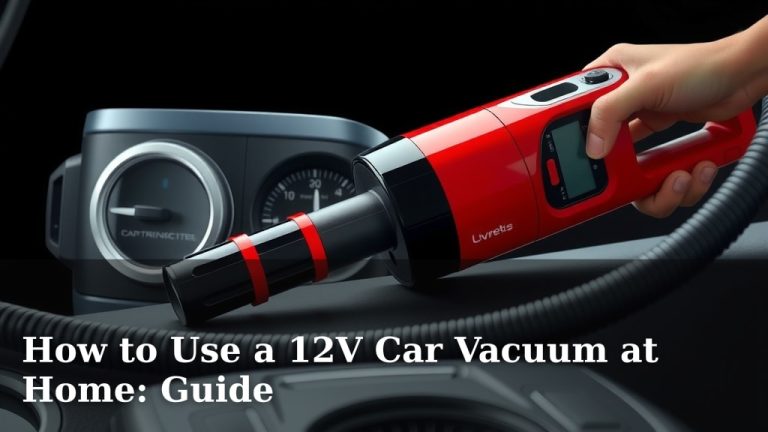
How to Use a Car Vacuum: Step-by-Step Guide
The easiest way to use a car vacuum is to prepare your interior, then systematically vacuum each section. This guide will help you achieve a spotless car with simple steps. You’ll be surprised how quickly you can transform your ride.
Keeping your car clean isn’t just about looks. A clean car interior can improve your driving experience and even resale value. Many people find car vacuums surprisingly effective for tackling dirt and debris. We’ll cover the best methods for using yours.
- Prepare your car by removing trash.
- Choose the right vacuum attachments.
- Start with floor mats and carpets.
- Move to seats and hard surfaces.
- Don’t forget hidden spots like vents.
Let’s walk through exactly how to use your car vacuum step by step, so you can get that showroom shine back in no time.
Mastering Your Car Vacuum: A Step-by-Step Approach
Learning how to use a car vacuum effectively can save you time and money. It helps you achieve a professional-level clean. We’ll guide you through the entire process. You’ll feel confident using your vacuum after this.
Pre-Vacuuming Prep Work: Setting the Stage
Before you even plug in your vacuum, some simple steps make a big difference. This initial cleanup prevents larger debris from clogging your machine. It also ensures you don’t miss any spots later.
Clear Out the Clutter
Your car might be a catch-all for daily life. Start by removing all loose items. Think snacks, mail, forgotten toys, and anything else cluttering the floor. This is your chance to declutter your car.
Don’t forget your door pockets and cup holders. These spots often collect crumbs and wrappers. A quick sweep of these areas prevents them from being sucked into your vacuum.
Tackle Removable Floor Mats
Most car floor mats can be removed. Take them out of the car. Shaking them vigorously outdoors can dislodge a surprising amount of dirt and debris. You can also bang them together. This removes embedded particles.
Once shaken, you can vacuum them thoroughly. This makes cleaning the car’s actual floor easier. It also ensures your mats get a deep clean.
Choosing the Right Tools: Vacuum Attachments Explained
Car vacuums often come with various attachments. Each one serves a specific purpose. Using the right attachment makes the job more efficient and effective. Think of them as your precision tools for car cleaning.
The Crevice Tool for Tight Spots
This is a long, narrow nozzle. It’s perfect for getting into those hard-to-reach places. Think between your car seats, along the edges of the console, and in seat rails. It’s your go-to for narrow gaps.
The Brush Attachment for Upholstery and Surfaces
A brush attachment has bristles. These help agitate dirt on fabric surfaces. Use it on your car seats, floor carpets, and even dashboard plastics. The bristles loosen trapped dirt, making it easier to vacuum.
The Upholstery Tool for Fabric Care
Similar to the brush, this tool is wider. It’s designed specifically for cleaning fabric seats. It often has a lint strip. This helps lift pet hair and lint from your car’s upholstery. It’s great for a thorough fabric clean.
The Vacuuming Process: From Floor to Ceiling
Now that your car is prepped and you know your attachments, it’s time to vacuum. Work systematically to ensure you cover all areas. A good strategy prevents you from having to re-vacuum spots.
Start with the Floor Mats
After removing and shaking them, vacuum your floor mats thoroughly. Use the brush attachment to lift any stubborn dirt. Pay attention to the edges. Make sure they are as clean as possible.
Moving to the Carpet and Footwells
Vacuum the car’s carpeted floor next. Use long, overlapping strokes. Work in one direction. This helps lift the carpet fibers. You can go back over it in the opposite direction for an extra deep clean.
Use the crevice tool for edges and corners. Get into the area where the carpet meets the plastic trim. This is where dirt loves to hide. You’ll be surprised how much dust you collect.
Detailing Your Seats and Upholstery
Now, focus on your car seats. If you have cloth seats, use the upholstery or brush attachment. Work section by section. Gently move the vacuum head over the fabric. This removes crumbs and dust. Many experts suggest this method for effective fabric cleaning (Consumer Reports).
For leather seats, use a soft brush attachment. Be gentle to avoid scratches. You want to remove surface dust. Then, you can follow up with a leather cleaner. This ensures your leather stays supple.
Don’t Forget the Trunk or Cargo Area
Your trunk often collects dirt and spills. It needs the same attention as the passenger area. Remove any cargo liners. Vacuum the carpet thoroughly. Use the crevice tool for the edges and any compartments.
A clean trunk makes it more pleasant to store groceries or gear. It also keeps dirt from migrating back into the main cabin. It’s an often-overlooked, yet important area.
Reaching Hidden Corners and Nooks
Cars have many small spaces that collect dust. These often go unnoticed until you really look. Using the right attachments is key here. Small efforts yield big results.
Ventilation and Dashboard Grills
Use a small brush attachment or a dedicated dusting brush. Gently vacuum the air vents. This removes dust that can recirculate. A clean dash also looks much better. A slightly damp microfiber cloth can follow up.
Door Pockets and Console Compartments
You likely cleared these in the prep stage. Now, give them a quick vacuum. Use the crevice tool for any seams or corners. This prevents dust from settling back out.
Underneath and Between Seats
This is where the crevice tool shines. Get under the seats. Vacuum the entire floor area again if needed. Pay special attention to the seat tracks. Dirt accumulates here easily.
Pedal Area and Seat Belts
The area around your pedals can get quite dirty. Use the crevice tool to get close to the edges. For seat belts, gently vacuum the fabric. This removes dust and particles. Then let them retract fully.
Post-Vacuuming Checks and Cleanup
Once you’ve finished vacuuming, take a moment to admire your work. But before you put everything away, do a final check. This ensures you haven’t missed anything obvious.
Visual Inspection
Walk around your car. Look at the floor, seats, and mats. Do you see any missed spots or remaining debris? A quick touch-up now is better than waiting for the next cleaning. This final sweep catches stray bits.
Emptying the Vacuum Canister
After you’re done, empty the vacuum’s dustbin or bag. This keeps your vacuum ready for next time. It also prevents dust from escaping back into your car or garage. A clean vacuum works better. This is a key maintenance step.
Storing Your Attachments
Put your attachments back in their designated spots. Organized tools mean easier cleaning next time. You’ll know exactly where to find them. This keeps your car vacuuming routine efficient.
Your Car Vacuuming Checklist:
- Remove all trash and personal items.
- Take out and shake floor mats outdoors.
- Use appropriate attachments for each area.
- Vacuum from floor mats to seats to trunk.
- Don’t forget vents, consoles, and under seats.
- Empty the vacuum and store attachments properly.
Conclusion
You’ve now learned how to use your car vacuum like a pro! From prepping your car to choosing the right tools and tackling every nook and cranny, you’re ready to achieve a spotless interior. Remember, a clean car not only looks better but feels better to drive. Don’t let dirt and dust take over your ride. Your next step? Grab your vacuum, follow these steps, and enjoy that fresh, clean car feeling this weekend!
Frequently Asked Questions
How often should I vacuum my car?
The frequency depends on your usage. If you frequently transport kids or pets, or live in a dusty area, weekly vacuuming is ideal. For lighter use, aim for a thorough vacuuming once a month. Regular quick clean-ups can also make a big difference.
Can I use a regular home vacuum cleaner in my car?
Yes, you can! Many home vacuums come with attachments that work well for cars. Be mindful of the size and power. Smaller, handheld home vacuums can be very convenient. Just ensure you use the appropriate brush and crevice tools for tight spots.
What’s the best way to remove pet hair from car seats?
Pet hair can be stubborn. Start by using a stiff-bristled brush attachment to loosen the hair. You can also try a rubber glove or squeegee to gather the hair into clumps before vacuuming. For severe cases, a specialized pet hair vacuum attachment might be useful.
My car vacuum isn’t picking up much dirt. What could be wrong?
Several things could cause this. First, ensure the dustbin is emptied and the filter is clean. A clogged filter drastically reduces suction power. Also, check if you’re using the correct attachment for the surface and debris type.
Are car vacuums worth the money compared to professional detailing?
For regular maintenance, a car vacuum is definitely worth it. It allows you to keep your car clean between professional detailing sessions, saving you money over time. It also gives you control over how and when your car is cleaned.

![7 Best Canister Vacuum Under $300 [2026]](https://neatixo.com/wp-content/uploads/2026/05/7-best-canister-vacuum-under-300-2026-featured-768x432.jpg)