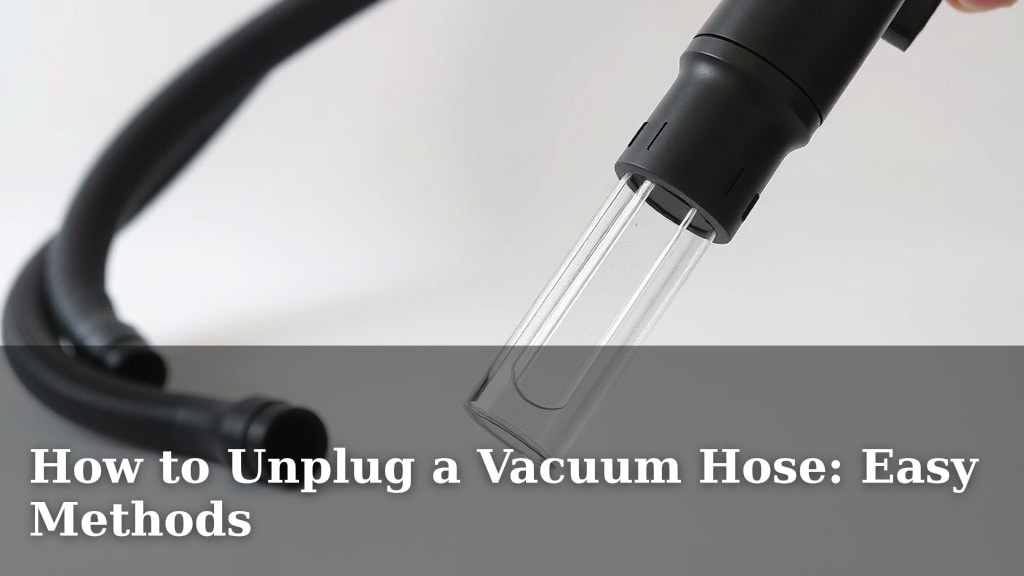
How to Unplug a Vacuum Hose: Easy Methods
The easiest way to unplug a vacuum hose is to twist and pull gently. You might need to wiggle it a bit. Most hoses are designed to come off without much force.
Sometimes, vacuum hoses can get stuck. This is usually due to simple things like debris or a tight seal. We found that understanding a few common causes helps a lot. You can also try a gentle rocking motion.
- Twist and pull the hose.
- Look for obstructions.
- Wiggle it gently if stuck.
- Some require a rocking motion.
- Avoid excessive force.
Let’s walk through exactly how to get that stubborn vacuum hose detached, step by step.
You’ve got this! Detaching a vacuum hose might seem tricky, especially if it’s stuck fast. But don’t worry, we’ve got your back. Most of the time, it’s a simple fix. We’ve put together a few easy methods to help you get that hose free without any fuss.
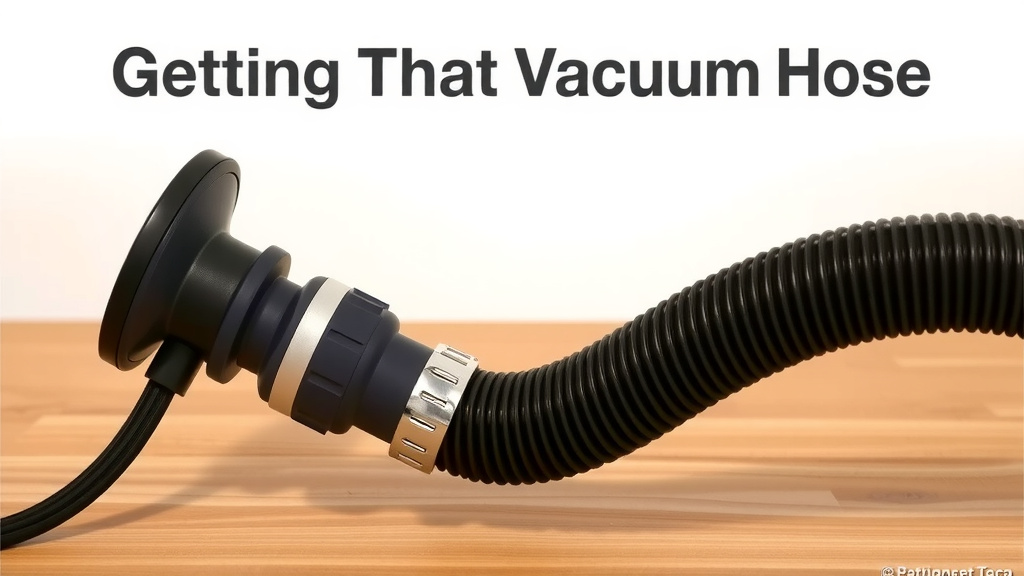
Getting That Vacuum Hose Detached: Simple Solutions
Unplugging a vacuum hose is usually straightforward. You just need to know the right way to do it. We found that a little bit of technique goes a long way.
The Basic Twist and Pull Method
The first thing to try is a gentle twist and pull. Think of it like unscrewing a cap. This motion can break a tight seal. Most vacuum hoses are designed for this. They click or twist into place. You want to rotate the hose slightly while pulling it away from the vacuum body. Avoid yanking hard. You don’t want to damage the connector. We’ve seen many people get stuck because they pull too forcefully. This can bend or break plastic parts.
Checking for Obstructions
Sometimes, the hose won’t budge because something is blocking it. Debris like dust bunnies, pet hair, or even small objects can get lodged. You can’t see these easily. This is especially true for internal connections. If the hose is flexible, try bending it. This might dislodge any gunk inside. You can also look closely at the connection point. See if there’s anything obvious sticking out. Many cleaning experts suggest this step. It’s a quick check that can save you a lot of trouble.
The Wiggle and Rock Technique
If a simple twist and pull doesn’t work, try wiggling it. Move the hose side to side gently. This can help loosen a tight seal. You can also try a gentle rocking motion. It’s like trying to get a stubborn puzzle piece out. You don’t force it. You just rock it back and forth a bit. We found that this is often effective. It helps the hose move without putting too much stress on it. Be patient with this step. It might take a minute or two.
When Force Isn’t the Answer
It’s really tempting to just pull harder. But that’s usually the worst thing you can do. Most vacuum hoses are made of plastic or rubber. They can crack or break easily. We often hear about people breaking their vacuum parts this way. Excessive force is your enemy here. Think about how you’d remove a tight jar lid. You wouldn’t smash the jar, right? You’d try different techniques. The same applies to your vacuum hose. So, step away from the brute force.
Advanced Methods for Stubborn Hoses
When the basic steps don’t cut it, there are a few more things you can try. These methods are a bit more involved but still safe.
Applying Gentle Heat
For hoses that have become stiff or brittle over time, a little warmth can help. You can use a hairdryer on a low setting. Gently warm the area where the hose connects to the vacuum. Move the hairdryer back and forth. Don’t hold it in one spot. You don’t want to melt anything. Just make the material a bit more pliable. We found that this works well for older vacuums. The plastic or rubber becomes more flexible. This makes it easier to twist and pull. After warming, try the twist and pull method again. It should be much easier.
Using a Lubricant (Carefully!)
In rare cases, a tiny bit of lubricant might be needed. This is for really stuck hoses. You want something that won’t damage the plastic or rubber. A silicone spray or even a bit of dish soap can work. Apply it *very sparingly* to the connection point. Let it sit for a minute. Then try twisting and pulling again. Be careful not to get too much on your hands or the vacuum. You don’t want it to slip out of your grip. We recommend this only as a last resort. Most experts advise against lubricants if they can be avoided (Consumer Reports).
Disassembling the Connection Point
Some vacuums have a locking mechanism. There might be a small button or clip. You need to press this to release the hose. Look closely at the area where the hose attaches. Do you see any small tabs or levers? If so, try pressing them. You might need a small tool like a flathead screwdriver to help gently pry or press. This is less common, but worth checking. It’s like releasing a snap on a jacket. You need to find the release point. We found that consulting your vacuum’s manual can be very helpful here.
What If Nothing Works?
If you’ve tried everything and the hose still won’t budge, it might be time for professional help. Don’t force it to the point of breaking. A broken part can be expensive to replace. You could contact the vacuum manufacturer. They might have specific advice. Or, take it to a local vacuum repair shop. They have seen it all. They can usually get it apart without causing damage. It’s better to pay a small repair fee than to buy a whole new vacuum.
A Quick Checklist for a Stuck Hose
- Try a gentle twist and pull first.
- Check for any visible obstructions.
- Use a wiggle or rocking motion.
- Warm the connection with a hairdryer on low.
- Apply a *tiny* amount of lubricant if desperate.
- Look for any locking tabs or clips.
Conclusion
You’ve learned that unplugging a stubborn vacuum hose doesn’t require brute force. We’ve shown you that a gentle twist and pull, a careful check for obstructions, or a little wiggle and rock often does the trick. For tougher cases, applying gentle heat or a tiny bit of lubricant can make a difference. Remember to always look for those hidden locking tabs. If you’ve tried these methods and the hose remains stuck, don’t risk breaking your vacuum. Reach out to the manufacturer or a repair shop. Now, go tackle that hose with confidence and get back to cleaning!
Frequently Asked Questions
What’s the very first thing I should try to unplug a vacuum hose?
The easiest and first method to try is a gentle twist and pull. Think of it like unscrewing a cap. This motion helps break any tight seals without risking damage.
How can I tell if something is blocking my vacuum hose?
Look closely at the connection point for visible debris. If the hose is flexible, try bending it slightly to dislodge internal gunk like pet hair or dust bunnies.
Is it okay to use WD-40 on a stuck vacuum hose?
We recommend avoiding WD-40. Instead, opt for a silicone spray or a tiny amount of dish soap. These are less likely to damage the hose material. Apply lubricant very sparingly.
My vacuum hose feels stiff. What can I do?
If your hose feels stiff, you can try applying gentle heat with a hairdryer on a low setting. Move the hairdryer constantly to avoid melting the material. This makes the hose more pliable for easier removal.
What if I accidentally break the vacuum hose connector?
If you think you might have broken the connector, stop trying to force it. Contact your vacuum manufacturer for replacement part information or take it to a professional vacuum repair shop for an assessment.