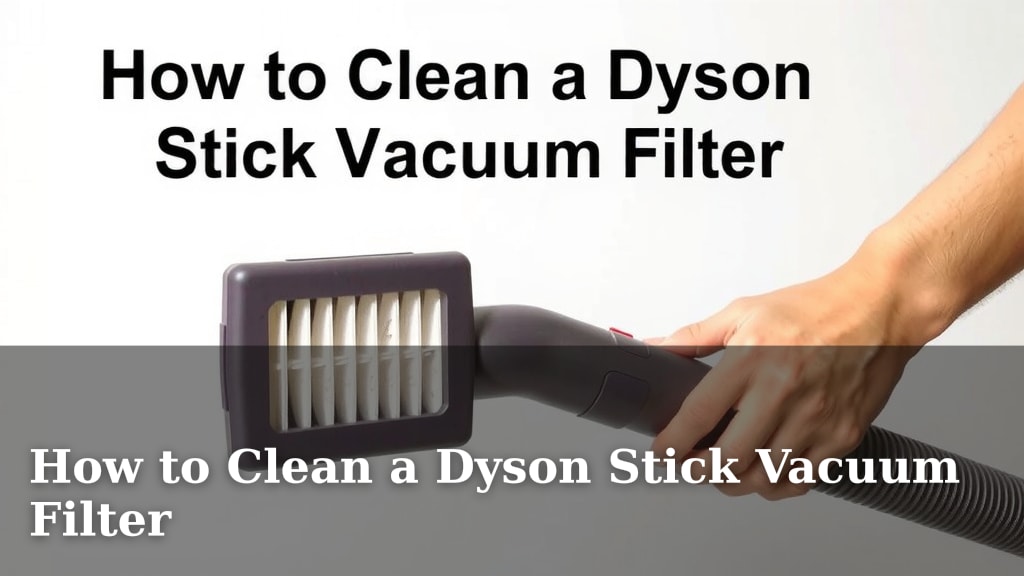
How to Clean a Dyson Stick Vacuum Filter
The easiest way to clean your Dyson stick vacuum filter is by rinsing it with cold water. You don’t need any special cleaners. Simply remove the filter and give it a good rinse. Make sure to let it air dry completely before putting it back. This simple step will help keep your vacuum working efficiently.
A clean filter is key for your Dyson’s suction power. When filters get clogged with dust and debris, your vacuum can’t pick up dirt effectively. Many experts recommend cleaning your Dyson filter regularly, often once a month. This also helps prevent odors and extends the life of your vacuum cleaner.
- Remove the filter from your Dyson.
- Rinse it thoroughly with cold water.
- Gently squeeze out excess water.
- Allow it to air dry for at least 24 hours.
- Reinsert only when completely dry.
Let’s walk through exactly how to clean your Dyson stick vacuum filter step by step, so you can get back to a cleaner home.
Caring for Your Dyson Stick Vacuum’s Filter
Keeping your Dyson stick vacuum’s filter clean is more than just a chore. It’s a direct path to maintaining that powerful suction you love. When your filter gets clogged, your vacuum struggles to pick up dirt. This means more passes over the same spot. We found that a dirty filter is the most common reason for reduced performance. Fortunately, cleaning it is a simple process. You can usually complete it in under an hour.
When and Why You Should Clean Your Dyson Filter
How often should you give your Dyson filter some TLC? Most manufacturers, including Dyson, recommend cleaning your filter once a month. Of course, this can vary. If you have pets or allergies, you might need to clean it more frequently. Think of it like changing the oil in your car. Regular maintenance keeps things running smoothly. Ignoring it can lead to bigger problems down the road.
The Importance of a Clean Filter
Why is this filter so important? It acts as the gatekeeper for the air leaving your vacuum. Dust, dirt, pet dander, and tiny particles get trapped inside. Without a clean filter, these particles can recirculate into your home. This is bad for air quality. It can also clog the motor. We found that a clean filter directly translates to better air cleaning. It prevents allergens from escaping back into your living space.
Signs Your Dyson Filter Needs Cleaning
Your vacuum will often tell you when it’s unhappy. Are you noticing a decrease in suction power? Does your vacuum seem to be struggling more than usual? You might even detect a faint, dusty smell after vacuuming. These are all clear indicators that your filter is likely full of debris. It’s time to give it a good cleaning. Don’t wait for a complete breakdown; a simple rinse is usually all it takes.
Step-by-Step Guide to Cleaning Your Dyson Filter
Ready to give your Dyson filter the spa treatment? It’s easier than you think. We’ll walk you through each step. You’ll need a sink and some cold water. No special cleaning solutions are required. This makes the process budget-friendly and quick. Let’s get started!
Step 1: Locating and Removing the Filter
First, you need to find the filter. On most Dyson stick models, the filter is located at the top of the dustbin, near the cyclone. You’ll usually see a clear plastic or blue cap. To remove it, you might need to twist it counter-clockwise. Some models have a small release button. Check your Dyson’s manual if you’re unsure. Once you locate it, gently pull it straight up and out.
Step 2: Rinsing the Filter Under Cold Water
Now for the main event! Take the filter to your sink. Run it under a stream of cold water. You want to rinse it thoroughly. Make sure the water flows through the filter material. Gently move the filter around. This helps dislodge trapped dust. You should see the water running clear as you rinse. Many sources, including Dyson’s support pages, stress using only cold water.
Why Cold Water?
Hot water can sometimes damage the filter material. It can cause the fibers to break down. This would compromise its ability to trap fine particles. Cold water is effective at removing dirt and dust. It’s also gentler on the filter. So, stick with cool or cold water for the best results.
Step 3: Gently Squeezing Out Excess Water
After rinsing, the filter will be quite wet. You need to remove as much excess water as possible. Hold the filter firmly. Gently squeeze it between your hands. Be careful not to twist or wring it too forcefully. This could also damage the filter. The goal is to press out the water. Repeat this a few times until you don’t feel much water coming out.
Step 4: The Crucial Air Drying Period
This is arguably the most important step. Your Dyson filter must be completely dry before you put it back. Placing a damp filter back into your vacuum can lead to mold and mildew growth. This is bad for your air quality and can damage your vacuum. You should let it air dry naturally. Find a well-ventilated spot. Place the filter on a clean surface, like a drying rack.
How Long Does It Take to Dry?
Patience is key here. We found that it typically takes at least 24 hours for a filter to dry completely. Some environments might take longer. Humidity and temperature play a role. Always err on the side of caution. If it still feels damp, let it dry longer. A quick check by touching the filter material is usually enough. You want it to feel bone dry.
Step 5: Reinserting the Dry Filter
Once you are absolutely certain the filter is dry, you can put it back. Gently place it back into its housing. Give it a slight twist to secure it, if required by your model. Your Dyson should now be ready to go. You’ll likely notice an immediate improvement in its performance. It’s a small effort for a big reward in cleaning power.
Troubleshooting Common Filter Issues
Sometimes, even with regular cleaning, you might encounter issues. What if your filter looks damaged? Or what if cleaning doesn’t seem to help suction? We’ve got a few tips for you.
Filter Damage and Replacement
Over time, filters can wear out. If you notice rips, tears, or significant deterioration in the filter material, it’s time for a replacement. A damaged filter can’t trap dirt effectively. It might also let dust escape. You can usually order replacement filters directly from the Dyson website or authorized retailers. Check your specific model number when ordering.
When Cleaning Isn’t Enough
If you’ve cleaned your filter thoroughly, ensured it’s bone dry, and your vacuum still lacks suction, the issue might be elsewhere. Check the dustbin for clogs. Ensure the wand and floor head aren’t blocked. If problems persist, it might be time to contact Dyson customer support. They can offer further troubleshooting steps or guide you on repairs.
Filter Cleaning Checklist
Here’s a quick rundown to help you remember the essential steps:
- Locate & Remove: Find your Dyson filter and take it out.
- Cold Water Rinse: Thoroughly rinse the filter with cold water only.
- Gentle Squeeze: Carefully press out excess water.
- Air Dry Only: Allow the filter to air dry completely for at least 24 hours.
- Confirm Dryness: Make sure it feels completely dry before reinstallation.
- Reinstall Securely: Put the dry filter back into your vacuum.
Conclusion
You’ve learned how essential a clean filter is for your Dyson stick vacuum’s performance. Regularly rinsing your filter with cold water and allowing it to air dry completely ensures optimal suction power. This simple maintenance prevents dust from recirculating and extends your vacuum’s lifespan. Don’t let a clogged filter diminish your cleaning results. Make filter cleaning a regular part of your routine. You’ll feel the difference with every pass.
Frequently Asked Questions
How do I know if my Dyson filter needs cleaning?
You’ll usually notice a decrease in suction power. Your vacuum might also seem to struggle more than usual. Sometimes, a faint dusty smell after vacuuming indicates a dirty filter.
Can I use soap or detergent to clean my Dyson filter?
No, you should only use cold water. Soap or detergents can damage the filter material. This would make it less effective at trapping fine particles.
What’s the best way to dry my Dyson filter?
The best method is to air dry it completely. Place the filter in a well-ventilated area, away from direct heat or sunlight. Ensure it feels bone dry before reinserting it.
How long does it typically take for a Dyson filter to air dry?
It usually takes at least 24 hours for a Dyson filter to dry completely. This time can vary based on humidity and airflow in your home. It’s better to wait longer if you’re unsure.
What should I do if my Dyson filter looks damaged?
If you see any rips, tears, or significant deterioration in the filter material, it’s time for a replacement. A damaged filter won’t trap dirt effectively and may allow dust to escape.


![7 Best Canister Vacuum With Attachments [2026]](https://neatixo.com/wp-content/uploads/2026/05/7-best-canister-vacuum-with-attachments-2026-featured-768x432.jpg)