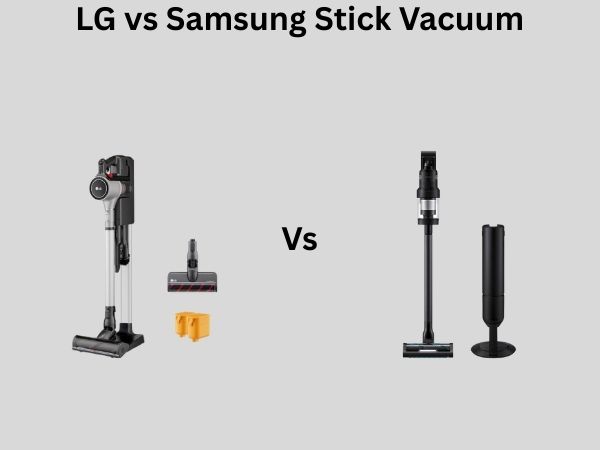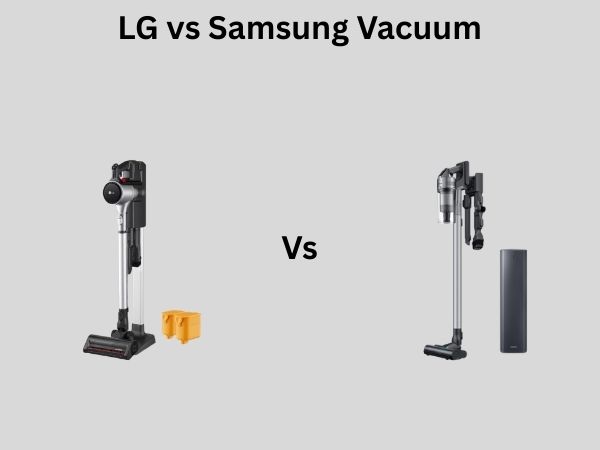
LG vs Samsung Vacuum: Which Cleaning Powerhouse Should You Choose?
When it comes to keeping your home spotless, the vacuum cleaner you choose can make all the difference. I’ve spent countless hours researching and comparing two major players in the home appliance industry—LG and Samsung—to help you understand which brand might be the perfect fit for your cleaning needs. Both companies have built solid reputations over the years, but they approach vacuum technology in different ways. So, let me walk you through everything you need to know before making this important purchase decision.
Understanding the Brands and Their Approach to Vacuums
Here’s the thing about LG and Samsung—they’re not just randomly throwing their names onto vacuum cleaners. Both companies bring decades of technological expertise to the table. LG, traditionally known for electronics and appliances, has ventured into the cleaning space with a focus on innovation. Samsung, on the other hand, has built its reputation on smart technology integration, which naturally flows into their vacuum offerings.
Think of it this way: LG is like the reliable friend who shows up with practical solutions, while Samsung is the tech-savvy buddy who brings the latest gadgets. Both will get your floors clean, but their philosophies differ slightly. Understanding these foundational differences will help you align your choice with your personal preferences and lifestyle.
LG’s Philosophy in Vacuum Design
LG tends to focus on creating vacuums that balance performance with simplicity. They’ve invested heavily in filtration technology and motor efficiency. Their models often feature intelligent sensors and automation features that reduce user interaction. If you’re someone who likes things to work smoothly without too much fuss, LG’s approach might appeal to you.
Samsung’s Technology-First Mentality
Samsung approaches vacuum design with a technology-first mindset. They integrate smart features, app connectivity, and advanced sensor systems. Their vacuums often come with connectivity features that let you monitor performance from your smartphone. If you’re a tech enthusiast who enjoys having data at your fingertips, Samsung might be your brand.
Filtration Technology: A Deep Dive
Let me be honest—filtration is where things get interesting. This is the technology that separates dust and allergens from the air your family breathes. It’s not just about clean floors; it’s about clean air in your home.
LG’s Multi-Stage Filtration Systems
LG has invested significantly in their filtration technology. Many of their models feature multi-stage filtration systems that work like a security checkpoint for your home’s air. The vacuum pulls in air and dust, sends it through several layers of filters, and releases clean air back into your living space.
- HEPA filtration that captures 99.97% of particles
- Pre-filters that catch larger debris first
- Anti-bacterial filter treatments
- Washable components to extend filter life
- Smart filter replacement indicators
What I appreciate about LG’s approach is their emphasis on filter maintenance. They make it easy for users to understand when filters need cleaning or replacing, and many of their filters are washable, which can save you money over time.
Samsung’s Advanced Filtration Approach
Samsung takes filtration seriously too, though they approach it differently. Many of their vacuums feature cyclonic filtration systems combined with HEPA technology. The cyclonic approach works through spinning action to separate particles without relying solely on filter membranes.
- Cyclonic separation technology
- Multiple filtration layers including HEPA
- Smart filter monitoring systems
- Allergen-reducing technology
- Easy-to-access filter compartments
The cyclonic system that Samsung uses is particularly interesting because it reduces the reliance on filters alone. This means less frequent filter cleaning in some models, which translates to less maintenance work for you. However, you’ll want to verify which specific model uses what technology, as Samsung offers various tiers of vacuums with different filtration setups.
Which Filtration System Wins?
Honestly, both systems are effective, but they serve different needs. If you have severe allergies or asthma, LG’s transparent approach to HEPA filtration might give you better peace of mind. If you want to minimize maintenance work, Samsung’s cyclonic technology could be more convenient. The winner here depends entirely on your priorities.
Suction Power and Performance Comparison
Suction power is the heartbeat of any vacuum cleaner. You could have the best filtration system in the world, but if it doesn’t pick up dirt, what’s the point, right?
LG Suction Performance Metrics
LG vacuums typically range from 150 to 200 air watts of suction power, depending on the model. They achieve this through optimized motor design and airflow engineering. The interesting part about LG’s approach is that they don’t just focus on raw power; they emphasize consistent suction throughout the cleaning session.
Many LG models feature adaptive suction technology that adjusts power based on the surface you’re cleaning. Hard floors? Less power needed, more battery saved. Carpets? The system ramps up automatically. This intelligent approach means you get maximum cleaning efficiency without wasting energy.
Samsung Suction Performance Specifications
Samsung vacuums generally offer comparable suction power, ranging from 150 to 220 air watts in their premium models. What sets Samsung apart is their multi-cyclone technology in some models, which creates multiple spinning chambers for improved dirt separation and maintenance of suction power over time.
Samsung has also invested in what they call “Smart Suction Control,” which works similarly to LG’s approach but with added app connectivity. You can actually see real-time suction performance data on your smartphone, which is pretty neat if you’re data-driven.
Real-World Suction Comparison
In practical terms, both brands deliver strong suction performance. The difference you’ll notice probably won’t be dramatic in everyday cleaning. Where they diverge is in consistency. LG tends to maintain steady suction throughout the battery life, while Samsung’s premium models might offer slightly higher peak suction. For most households, either choice will serve you well.
Ease of Use and User Experience
Here’s something people don’t talk about enough—how much you’ll actually enjoy using your vacuum. A powerful vacuum that’s a pain to use will just sit in your closet, defeating the purpose entirely.
LG’s User-Friendly Interface
LG designs their vacuums with simplicity in mind. Their controls are typically intuitive, with clearly labeled buttons and straightforward operations. Many models feature a single power button and mode selector, which means you don’t need to become an engineer to operate them.
- Simple button-based controls
- Clear LED displays showing battery and status
- Lightweight designs (typically 5-7 pounds)
- Easy dirt bin emptying mechanisms
- Tool-free maintenance accessories
The weight factor is particularly important for cordless models. LG keeps their vacuums relatively light, which means less arm fatigue when you’re cleaning stairs or reaching high areas. I’ve found this matters more than people expect, especially for longer cleaning sessions.
Samsung’s Tech-Integrated Experience
Samsung brings smartphone integration into the mix. Many of their newer models connect via WiFi and offer mobile app control. You can start cleaning from your phone, monitor battery life, and get notifications about maintenance needs. It’s admittedly cool technology, but it also adds complexity.
- Smartphone app control and monitoring
- Digital displays with detailed information
- Voice assistant compatibility
- Automated cleaning schedules
- Performance analytics and reporting
The question is: do you want this level of connectivity? Some people find it invaluable, while others consider it unnecessary complexity. If you enjoy smart home technology, you’ll probably appreciate Samsung’s offerings. If you prefer keeping things simple, this might feel like overkill.
Ergonomic Design and Comfort
Both brands have put thought into ergonomic design. LG focuses on lightweight construction and comfortable grip handles. Samsung includes adjustable handles on some models and emphasizes balance. If you have back issues or upper body concerns, test both brands in person if possible. What’s comfortable for one person might not be for another.
Design and Portability Features
The physical design of your vacuum affects not just how it looks but how functional it is in your daily life.
LG Design Philosophy
LG vacuums typically feature sleek, modern designs with neutral color schemes. They’re designed to look less like an appliance and more like a home accessory. This matters if you prefer to keep your vacuum visible on a charging dock rather than hidden away.
Portability-wise, LG offers several cordless models that are genuinely portable. Some feature detachable handheld units, allowing you to switch from a full vacuum to a handheld device for stairs, furniture, and tight spaces. This two-in-one approach appeals to many users who want versatility.
Samsung Design Aesthetics
Samsung’s design language is modern and sleek as well, though they often go for slightly more premium finishes. Some models feature metallic accents or high-gloss panels. Aesthetically, Samsung vacuums have a slightly more “luxury appliance” feel, which appeals to design-conscious homeowners.
Samsung’s portability features are comparable to LG’s, with several cordless options available. However, some users have noted that the added technology in Samsung models can make them slightly heavier than comparable LG offerings.
Noise Levels and Operating Comfort
Have you ever had a vacuum that sounded like a small aircraft taking off? Yeah, let’s talk about that.
LG Noise Performance
LG vacuums typically operate at around 75-85 decibels, depending on the model and suction setting. To put that in perspective, 80 decibels is about as loud as a garbage disposal or alarm clock. It’s noticeable but not ear-splitting.
The key is that LG has invested in motor insulation and noise-dampening materials. They’ve prioritized quieter operation as a feature, understanding that many people clean during times when they want to minimize disturbance (like early mornings or evenings when others are home).
Samsung Noise Levels
Samsung models typically fall in a similar range, around 75-85 decibels. However, some of their premium models with multi-cyclone technology might run slightly quieter due to improved motor efficiency. The difference is usually minimal—we’re talking about 2-3 decibels, which is barely perceptible to the human ear.
Practical Noise Considerations
For cordless vacuums, both brands are reasonably quiet. If noise is a major concern—perhaps you have a light-sleeping partner or young children—focus on lower-noise models from either brand rather than choosing between brands based solely on this factor.
Maintenance and Durability
A vacuum is an investment, and you want it to last. Let’s discuss how these brands handle the long-term reliability question.
LG Maintenance Requirements
LG vacuums are designed with easy maintenance in mind. Most components that need regular attention are accessible without tools. Filter cleaning or replacement is straightforward, dirt bins empty easily, and brush rolls are typically simple to access and clean.
- Tool-free filter access
- Quick-release dirt bins
- Easy brush roll removal
- Durable motor components
- Extended motor warranties (often 5+ years)
What I appreciate is that LG provides detailed maintenance guides that don’t require a PhD to understand. This accessibility means you’re more likely to perform regular maintenance, which extends the vacuum’s lifespan.
Samsung Durability and Upkeep
Samsung vacuums are built with quality materials and robust components. Their multi-cyclone technology actually aids durability by reducing filter strain, meaning less frequent deep cleaning of filters. This can extend overall component life.
However, the added electronics in Samsung models mean more potential points of failure. While the electronics are generally reliable, there’s slightly more complexity to troubleshoot if something goes wrong. This is why Samsung’s warranty and customer support become more important considerations.
Long-Term Cost of Ownership
When considering maintenance, think about replacement filter costs, brush roll replacements, and potential repairs. LG filters are generally affordable and widely available. Samsung filters might be slightly more expensive due to their proprietary designs, but they also tend to need replacement less frequently due to the cyclonic system.
Price Point Analysis
Let’s talk about the real factor that influences most purchasing decisions—money.
LG Pricing Structure
LG vacuums typically range from $400 for entry-level cordless models to $1,200+ for premium models. They offer good value across all price points, with features scaling logically with price. You won’t find yourself paying for unnecessary bells and whistles with LG—what you pay for is actual capability.
Their mid-range models, typically priced between $600-$900, offer excellent balance between features and cost. This is where most of their customers find their sweet spot.
Samsung Pricing Strategy
Samsung vacuums generally start around $500 and can exceed $1,500 for their top-tier models. The premium pricing reflects the added technology integration and smart features. If you’re comparing similarly-featured models, expect Samsung to be $100-$300 more expensive than LG equivalents.
However, Samsung frequently offers promotional pricing and seasonal sales, which can close the gap. If you’re patient, you might find Samsung models at price points comparable to LG.
Value for Money Consideration
LG tends to offer better raw value if you just want a powerful, reliable vacuum. Samsung offers better value if you’re a tech enthusiast who’ll actually use the smart features. Neither brand is overpriced relative to their competition, but LG tends to be the more economical choice overall.
Customer Reviews and Real-World Performance
What do actual users think? Let me share what I’ve found in customer feedback across various platforms.
LG Customer Satisfaction Ratings
LG vacuums consistently receive ratings around 4.2-4.5 out of 5 stars across major retail platforms. Users praise:
- Reliable long-term performance
- Strong suction on both carpets and hard floors