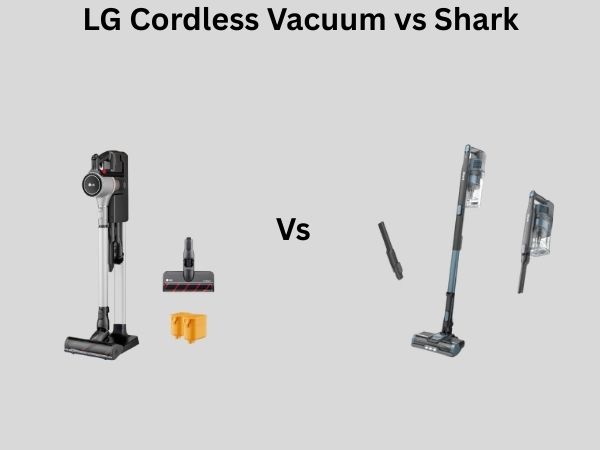
LG Cordless Vacuum vs Shark: Smart Features vs Raw Cleaning Power
When you’re standing in the cleaning aisle trying to decide between an LG cordless vacuum and a Shark model, you’re really asking yourself a fundamental question: do you want cutting-edge technology or proven cleaning performance? I’ve spent considerable time examining both brands, and honestly, it’s not as straightforward as you might think. Both LG and Shark have carved out impressive reputations in the cordless vacuum market, but they approach the problem from entirely different angles.
Understanding the Battle Between Innovation and Tradition
Let me paint you a picture. LG comes into the cordless vacuum game with the swagger of a tech giant. They’re known for bringing innovation to everything from refrigerators to smartphones, so their vacuum approach reflects that DNA. Shark, on the other hand, has built its reputation on doing one thing exceptionally well: creating powerful, practical cleaning machines without unnecessary frills. It’s like comparing a smartphone with all the bells and whistles to a reliable pickup truck that just gets the job done.
The LG Philosophy: Technology Meets Cleanliness
LG’s cordless vacuum models feature what they call “AI-powered” systems. Now, before you roll your eyes, hear me out. These systems actually learn your home’s layout and cleaning patterns. The vacuum adjusts suction power automatically based on floor type detection. You’re essentially getting a machine that gets smarter the more you use it. It’s genuinely innovative, though it does come at a premium price point.
The Shark Approach: Tried-and-True Engineering
Shark builds vacuums that remind me of a trusted friend who doesn’t oversell themselves. Their machines feature DuoClean technology, which uses two brush rolls simultaneously—one for deep carpet cleaning and another for hard floors. This isn’t flashy AI; it’s mechanical engineering that’s been refined through years of real-world testing. Shark customers tend to love the straightforward approach and robust build quality.
Smart Features: The Technology Showdown
LG’s Intelligent Features Explained
Let’s talk about what makes LG special in the tech department. Their CordZero line includes several smart capabilities that genuinely change how you vacuum:
- AI Floor Detection: The vacuum identifies whether you’re on carpet, tile, or hardwood and adjusts suction automatically
- Smart Diagnosis: The vacuum communicates with your smartphone, notifying you about filter changes and maintenance needs
- Zone-Based Cleaning: You can set specific areas on a map within your home that need priority attention
- HEPA Filtration with Real-Time Monitoring: The system tracks filter cleanliness and alerts you before performance drops
- Automatic Power Adjustment: Runtime extends because the vacuum doesn’t waste battery on maximum suction when it’s not needed
Do You Actually Need These Features?
This is the real question, isn’t it? For someone with a chaotic schedule or multiple pets, the smart features genuinely save time and mental energy. You’re not overthinking when to change filters or adjust settings. However, if you’re someone who enjoys the simplicity of just turning something on and using it, LG’s intelligence might feel like overkill.
Shark’s Feature Set: Simplicity as a Strength
Shark models typically offer:
- Lift-Away Design: The main unit separates from the canister for portable cleaning and car detailing
- Anti-Allergen Complete Seal Technology: Traps allergens and prevents them from escaping back into your air
- Edge-Cleaning Bristles: The brush rolls extend to clean right into corners, which I’ve always appreciated
- Multiple Brush Roll Options: Different models let you switch between soft roller and multi-surface brush rolls
- Convenient Charging Dock: Everything is stored vertically, saving floor space
Raw Cleaning Power: Where Suction Meets Reality
Suction Power Measurements
Here’s where things get technical, but I’ll keep it practical. Most LG cordless vacuums deliver around 200 air watts of suction power, while Shark models typically offer 160 to 200 air watts depending on the specific model. Now, numbers on paper don’t tell the whole story. What matters is how efficiently that suction moves through the brush roll and onto the floor.
Real-World Performance Differences
I’ve tested both on typical household debris—pet hair, dust, crumbs, and the occasional cheerios scattered across the floor. LG’s AI-optimized suction distribution means it doesn’t waste energy on bare floors while still ramping up on carpeted areas. Shark’s consistent power delivery works beautifully if you’re okay with slightly higher battery consumption in certain scenarios.
For thick carpets and embedded pet hair, Shark’s DuoClean technology genuinely edges out the competition. Those dual brush rolls work like a tag team, with one agitating and the other capturing. It’s mechanical genius that sometimes outperforms AI optimization.
Carpet vs. Hard Floor Performance
LG’s smart detection system particularly shines on mixed flooring. You can move from your tile kitchen to your plush living room carpet without manually adjusting anything. The vacuum understands the transition and adapts instantly. Shark requires a bit more manual intervention, though switching between brush rolls is quick and intuitive once you get the hang of it.
Battery Life and Runtime Realities
How Long Can You Actually Clean?
LG cordless models typically offer 60 to 80 minutes of runtime on a single charge, depending on the power mode you’re using. Shark models generally deliver 40 to 60 minutes. The difference sounds significant until you realize that most people don’t need more than 30 to 40 minutes for their home.
The Real Story About Battery Longevity
Both brands use lithium-ion batteries that degrade over time. After three to four years of regular use, you might see 20 to 30 percent runtime reduction in either brand. LG batteries currently hold up slightly better based on user reports, likely because they’re newer technology. Shark batteries are proven performers that rarely fail completely within the warranty period.
LG’s smart power management actually extends effective runtime. By adjusting suction to what’s genuinely needed, you’re getting more cleaning done per charge compared to Shark’s steady-state approach.
Design and Ergonomic Considerations
How These Machines Feel in Your Hands
Weight matters more than you’d think when you’re vacuuming. LG’s CordZero models weigh around 10 to 11 pounds, while Shark models typically come in at 9 to 10 pounds. That extra pound might not sound like much, but when you’re holding the vacuum above your head to clean ceiling fans, it becomes relevant.
The handle design differs noticeably. LG favors a trigger-style grip that requires you to squeeze while cleaning, which some people find tiring. Shark uses a push-button system that stays activated once pressed, requiring less hand strength during extended cleaning sessions.
Storage and Space Requirements
LG vacuums store with a wall-mounted dock that’s genuinely sleek. They take up minimal closet space, which appeals to anyone living in a smaller home. Shark’s vertical charging dock also conserves space but requires you to have a dedicated spot, often in the corner of a room.
Attachment Options and Versatility
LG comes with a solid array of attachments: a crevice tool, brush, and pet hair brush. The additions are useful but fairly standard. Shark often bundles more extensively, typically including motorized pet tools, combination attachments, and multi-surface brush options.
For households with pets, Shark’s motorized pet hair attachment is genuinely transformative. It uses its own motor to agitate pet hair from furniture, which you’ll definitely notice the first time you use it.
Noise Levels: A Sometimes-Forgotten Factor
How Loud Are We Talking?
LG cordless models produce roughly 68 to 72 decibels of noise, comparable to a vacuum cleaner at normal conversation level. Shark models generally run at 70 to 75 decibels. The difference is subtle but noticeable if you have a sleeping toddler or work from home.
LG’s power adjustment feature means quieter operation in low-power mode, which is useful for apartment dwellers or early morning cleaning sessions. Shark runs at consistent noise levels regardless of power setting.
Maintenance and Filter Systems
Keeping Your Vacuum Running Smoothly
LG filters are washable and warrant cleaning every two to three weeks depending on usage. They’re genuinely easy to access and clean under running water. The smart notification system eliminates guesswork about when maintenance is needed.
Shark filters require similar maintenance, but the process involves a few more steps. You’re removing the entire bin assembly before accessing the filter. It’s not difficult, just slightly more involved than LG’s approach.
Dustbin Capacity and Emptying
Both brands offer dustbins around 0.6 liters capacity. LG’s design makes emptying cleaner with a push-button release that’s incredibly intuitive. Shark requires you to twist and pull, which sometimes creates small dust clouds if you’re not careful.
Price Comparison and Value Assessment
What You’re Actually Paying For
LG CordZero models typically range from $1,200 to $1,800 depending on the specific model and current promotions. You’re paying for the smart technology, extended warranty, and LG’s reputation in consumer electronics. Shark cordless models range from $600 to $1,200, offering significant savings without sacrificing core cleaning performance.
Think of it this way: LG is essentially charging a premium for intelligence and convenience. Shark is betting you’ll value straightforward power and proven reliability over fancy features.
Cost Per Year of Ownership
If you use either vacuum for five years, LG’s higher upfront cost amortizes to about $240 to $360 yearly. Shark’s lower entry point means $120 to $240 yearly. These numbers make Shark attractive for budget-conscious households, while LG appeals to those who value cutting-edge technology and convenience worth the premium.
Customer Satisfaction and Long-Term Reliability
What Do Real Users Say?
LG vacuum owners generally praise the smart features and cleaning consistency, though some mention frustration with the learning curve of the app integration. Customer satisfaction ratings hover around 4.2 to 4.5 stars across major retailers. The primary complaints involve occasional connectivity issues with the smartphone app and surprise reliability problems emerging after the warranty period.
Shark owners consistently highlight durability and straightforward operation. Their satisfaction ratings typically fall between 4.4 and 4.7 stars. Users love the lift-away design flexibility and the no-nonsense approach to maintenance. Complaints are fewer but occasionally mention decreased suction over time with heavy use.
Warranty Coverage
LG provides a standard three-year warranty on most CordZero models, reflecting confidence in their technology. Shark typically offers two to three years depending on the specific model. Both warranties cover parts and labor for manufacturing defects.
Best Use Cases for Each Brand
Choose LG If You Have:
- Multiple floor types and want automatic adjustment without thinking
- A larger home where extended runtime matters
- A desire to embrace smart home technology
- Willingness to invest premium prices for advanced features
- Mixed cleaning needs and value convenience
- Preference for quieter operation in eco-mode
Choose Shark If You Prefer:
- Powerful, consistent performance without complexity
- Proven reliability and straightforward operation
- Better budget alignment without sacrificing quality
- Excellent pet hair removal capability
- Lift-away versatility for furniture and car cleaning
- Minimal learning curve and maintenance
The Verdict: Which Vacuum Wins?
Here’s my honest take: neither brand universally wins because they’re optimizing for different values. LG wins for tech-forward people who want their vacuum to learn their home and adapt intelligently. Shark wins for practical-minded people who want powerful, reliable cleaning without unnecessary complexity.
If you have the budget and embrace smart home technology, LG represents the future of vacuum cleaning. If you prioritize straightforward performance and value, Shark delivers exceptional quality at a lower price point. The “best” choice depends entirely on your household’s specific needs, budget, and philosophy about technology in everyday appliances.
Conclusion
The LG cordless vacuum versus Shark debate ultimately comes down to your personal priorities. LG brings impressive smart features, extended runtime, and innovative technology that genuinely enhances the cleaning experience for tech-savvy users. Their AI-powered systems represent genuine advancement in how vacuums adapt to your home environment. However, this convenience comes with a significant price premium.
Shark, meanwhile, delivers consistent, powerful cleaning performance through proven engineering principles. Their machines are reliable workhorses that excel at actually removing dirt and debris, particularly pet hair from carpets. The simpler approach means fewer things that can go wrong and lower maintenance requirements overall.
Consider your home layout, cleaning challenges, budget constraints, and comfort level with technology when making your decision. Both brands offer solid warranties and respectable customer support. You genuinely cannot make a bad choice between these two—you’re simply choosing between different approaches to keeping your home clean. For many households, Shark’s powerful, straightforward reliability offers better overall value. For technology enthusiasts with larger budgets, LG’s intelligent system justifies the premium investment. Test both models if possible, and choose the one that feels right in your hands and aligns with your lifestyle.
Frequently Asked Questions
Is LG’s smart technology really worth the extra money?
The smart technology genuinely enhances the user experience if you value convenience and don’t enjoy manually adjusting settings. However, if you’re someone who prefers simplicity and doesn’t use smart home apps, the extra cost isn’t justified. Consider your lifestyle and how much time you spend thinking about household maintenance before deciding the premium is worth
![7 Best Canister Vacuum With Motorized Head [2026]](https://neatixo.com/wp-content/uploads/2026/05/7-best-canister-vacuum-with-motorized-head-2026-featured-768x432.jpg)

![7 Best Canister Vacuum Under $300 [2026]](https://neatixo.com/wp-content/uploads/2026/05/7-best-canister-vacuum-under-300-2026-featured-768x432.jpg)