Bagged vs Unbagged Vacuum: Right Choice Guide
Deciding between a bagged vs unbagged vacuum often comes down to your specific cleaning needs and priorities. If you struggle with allergies or asthma, a bagged vacuum is generally the better choice because it traps dust and allergens more effectively. For those who prioritize convenience and a more powerful suction over fine particle containment, an unbagged (bagless) vacuum might be your go-to.
Both types of vacuums have their pros and cons, impacting everything from air quality in your home to the ease of maintenance. We found that understanding these differences can help you make a choice that keeps your floors clean and your air breathable. It’s not just about suction power; it’s about how the machine handles the dirt it collects.
TL;DR:
- Bagged vacuums are better for allergy sufferers.
- Bagless vacuums offer easier emptying and potentially stronger suction.
- Bagged models contain dust and allergens more securely.
- Bagless models require more frequent filter cleaning.
- Consider your home’s air quality needs first.
Below, we break down the key differences between bagged and unbagged vacuums to help you find the perfect fit for your home cleaning routine.
Bagged vs. Bagless Vacuums: Making Your Best Choice
When it comes to keeping your home spick and span, the type of vacuum cleaner you choose plays a big role. You’re probably wondering whether a bagged or bagless model is the right fit for you. We’ve looked into it, and the truth is, both have their own strengths. Your choice really depends on what you value most: allergen control, ease of use, or something else entirely.
Understanding the Core Differences
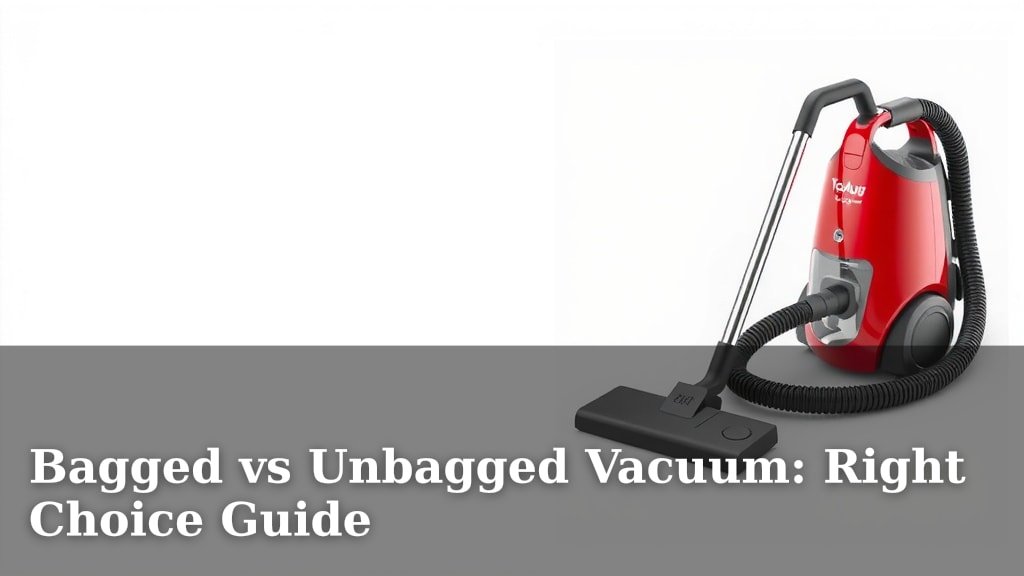
At their heart, both bagged and bagless vacuums do the same job: suck up dirt. The main difference is how they store that dirt. A bagged vacuum uses a disposable bag to catch everything. A bagless vacuum collects debris in a container you empty directly.
How Bagged Vacuums Work
Think of a bagged vacuum like a kitchen trash can. You fill it up, and then you throw the whole bag away. This method is pretty straightforward. As the vacuum runs, dust, dirt, and other particles are pulled into the bag. Most bags are made of multi-layered paper or fabric, designed to hold onto fine dust.
When the bag gets full, you simply remove it and toss it. This seals away the mess. You then insert a fresh bag, and you’re ready to go. It’s a clean process, with minimal dust escaping into the air.
How Bagless Vacuums Work
Bagless vacuums, on the other hand, use a special bin or canister. This bin is designed to be emptied directly into your trash. You typically press a button or release a latch, and the collected debris falls out. This makes emptying quick and easy, no need to buy replacement bags.
The technology behind bagless bins often involves cyclonic separation. This spinning action helps separate larger debris from finer dust particles. These particles then get trapped by filters. So, while there’s no bag, there are still filters that need attention.
Key Considerations for Your Home Cleaning
Now that you know the basics, let’s dive into what really matters when you’re making your decision. We’ve identified a few key areas where these vacuums really stand apart. Your home and your health are the top priorities here.
Allergies and Air Quality: A Crucial Factor
If you or someone in your household suffers from allergies, asthma, or other respiratory issues, this is where the choice becomes critical. We found that allergen containment is a major selling point for bagged vacuums.
With a bagged system, the dust and allergens are trapped inside the bag. When you change the bag, you’re sealing that stuff away. This means less dust gets released back into your home’s air during use and disposal. Many sources, like the American Lung Association, suggest that sealed systems with HEPA filters are best for air quality.
Bagless vacuums can be a bit trickier for allergy sufferers. While they trap dust in the bin, emptying that bin can stir up fine particles. You might find yourself sneezing more if you’re not careful. However, many modern bagless models come with advanced filtration systems that capture a good amount of allergens.
Convenience and Maintenance: What’s Easier?
When it comes to daily use, convenience is often top of mind. Which one is simpler to deal with day-to-day?
Bagged vacuums require you to keep track of replacement bags. Running out can halt your cleaning. Plus, buying bags is an ongoing cost. However, the maintenance is mostly just swapping out a full bag. It’s a simple, one-step process.
Bagless vacuums eliminate the need to buy bags. You just empty the bin. This can feel more convenient for some. But, the maintenance involves emptying the dustbin and cleaning or replacing filters regularly. Many experts recommend cleaning bagless filters at least once a month to maintain suction power and air quality.
Suction Power and Performance
How well does it actually clean? Suction power is key for picking up dirt, especially from carpets.
Many people believe bagless vacuums tend to offer stronger, more consistent suction. This is often because the cyclonic action can maintain airflow better. As a bag fills in a bagged vacuum, the airflow can decrease, leading to a drop in suction. We found research indicating that cyclonic technology in bagless models is designed to preserve suction power.
However, don’t count out bagged vacuums entirely. High-quality bagged models can still deliver impressive suction. The key is often the quality of the bag and the vacuum’s motor. For deeply embedded dirt, some bagless models might have a slight edge.
Cost: Upfront vs. Long-Term
Let’s talk about your wallet. The initial purchase price can vary widely for both types. However, we often see a difference in the long-term costs.
Bagless vacuums might have a slightly higher upfront cost for some models. But, you save money by not having to buy replacement bags. The main ongoing cost would be replacing filters eventually.
Bagged vacuums can sometimes have a lower initial price. Yet, you need to factor in the recurring cost of buying bags. Depending on how often you vacuum and the type of bags you use, this can add up over time. We found that for a family that vacuums frequently, the cost of bags can become a significant expense.

Quick Comparison Table
To help you visualize the differences, check out this table:
| Feature | Bagged Vacuum | Bagless Vacuum |
|---|---|---|
| Allergen Control | Excellent; seals dust in the bag. | Good, but emptying can release particles. |
| Maintenance | Replace disposable bag. Easy, but ongoing cost. | Empty bin, clean/replace filters. More involved. |
| Suction Power | Can decrease as bag fills. | Often more consistent. |
| Cost | Lower upfront for some models, ongoing bag costs. | Potentially higher upfront, no bag costs, filter costs. |
| Ease of Disposal | Simple bag removal. | Bin emptying can be messy. |
A Checklist for Your Decision
Still weighing your options? Ask yourself these quick questions:
- Do you or your family have allergies or asthma?
- How important is the absolute best air quality for your home?
- Do you prefer simple disposal or are you okay with bin emptying?
- Are you looking for the lowest ongoing cost (considering bags vs. filters)?
- How much effort are you willing to put into regular filter maintenance?
Which Vacuum Comes Out on Top for You?
Ultimately, the “best” vacuum is the one that fits your lifestyle and needs. If superior allergen control and easier disposal are your top priorities, a bagged vacuum is likely your winner. Many allergy organizations recommend them for their ability to keep irritants contained (CDC). They offer a straightforward way to keep your home clean without much fuss.
On the flip side, if you value consistent suction power, convenience in not buying bags, and a potentially lower long-term cost, a bagless model might be the way to go. Just be prepared for the routine maintenance of emptying the bin and caring for the filters. Modern bagless vacuums do a fantastic job of capturing dirt, and with good filter care, they can perform very well for most households.
Conclusion
So, which vacuum cleaner will you choose for your home? We’ve seen that bagged vacuums excel at trapping allergens and offer a clean disposal process, making them a great pick if air quality is your main concern. Bagless models, on the other hand, provide consistent suction and eliminate the ongoing cost of bags, but require more attention to filter maintenance.
Your ideal vacuum really depends on your personal cleaning habits and household needs. Take a moment to consider what matters most to you—be it a sneeze-free environment or hassle-free bin emptying. With this guide, you’re well-equipped to make the best decision for a cleaner home and healthier air.
Frequently Asked Questions
Are bagged vacuums truly better for asthma sufferers?
Yes, bagged vacuums are generally recommended for individuals with asthma or severe allergies. The sealed bag system effectively contains dust and allergens, minimizing their release into the air during operation and disposal. This containment is key to preventing respiratory irritation.
How often should I clean the filters in a bagless vacuum?
For optimal performance and air quality, we found it’s best to clean the filters in your bagless vacuum at least once a month. Some manufacturers recommend checking or cleaning them even more frequently, depending on usage and the model’s specific design.
Will a bagless vacuum lose suction power over time?
While bagless vacuums are designed to maintain suction with cyclonic technology, performance can decrease if filters are clogged or the dustbin is too full. Regular filter cleaning and timely emptying of the bin are essential to preserve consistent suction power.
Is the cost of replacement bags a major factor for bagged vacuums?
The cost of replacement bags can add up, especially for households that vacuum frequently. While some bagged models are less expensive upfront, you’ll need to budget for ongoing purchases of compatible bags, which can become a significant long-term expense.
Can I use a bagless vacuum if I don’t have allergies but want good air quality?
Absolutely. Modern bagless vacuums often come equipped with advanced HEPA filtration systems that capture a high percentage of fine particles and allergens. With proper maintenance, including regular filter cleaning and bin emptying, a bagless vacuum can significantly contribute to good indoor air quality for any home.