Lawn Sweeper vs Vacuum: Stop Raking Today
When faced with leaf-covered lawns, a lawn sweeper is often the quicker and more efficient choice compared to a vacuum for general debris removal. While a vacuum can offer more power for finer particles, sweepers excel at handling larger volumes of leaves and grass clippings with less effort. You’re looking for the best way to clear your yard without the back-breaking work of raking, and understanding the differences between these tools is key to making that happen.
Both lawn sweepers and vacuums aim to keep your yard tidy, but they approach the task differently. A sweeper uses rotating brushes to flick debris into a collection bag, ideal for a quick cleanup. A vacuum, on the other hand, sucks debris in, often mulching it, which is great for finer messes or when you want to reduce volume, but can be slower for large areas. Choosing the right tool depends on your specific needs and lawn size.
TL;DR:
- Lawn sweepers are generally faster for large amounts of leaves.
- Vacuums can be better for finer debris and mulching.
- Consider your lawn size and the type of debris you have.
- Both save you time compared to traditional raking.
Let’s walk through the pros and cons of each to help you decide which one is right for your yard!
Tackling Lawn Debris: Sweeper vs. Vacuum Showdown
Choosing between a lawn sweeper and a lawn vacuum can feel like a big decision. You want to say goodbye to your rake forever. Both tools promise an easier way to clean up your yard. We found that understanding their core differences helps you pick the best one for your needs.
Understanding the Lawn Sweeper
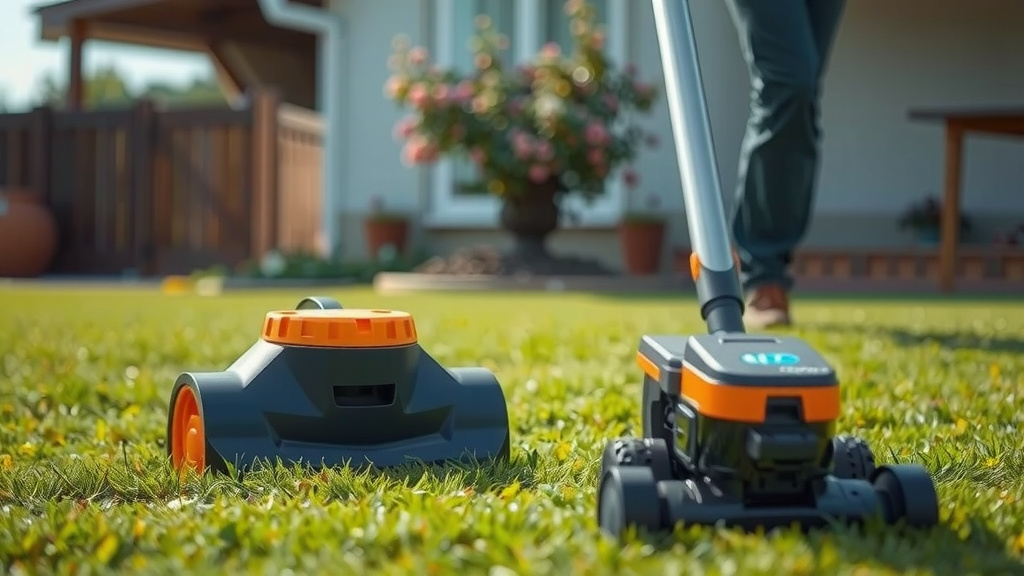
A lawn sweeper is like a manual broom for your grass. It uses spinning brushes. These brushes flick leaves and clippings into a collection bag. Think of it as a rolling carpet cleaner for your yard. It’s designed for gathering light to medium debris. Many homeowners find them very effective for fall leaf cleanup.
How Lawn Sweepers Work
You push or pull the sweeper across your lawn. The motion turns the brushes. The brushes then sweep debris off the grass and into a chute. This chute directs the material into an attached collection bag or cart. Some models are self-propelled, making the job even easier. The key is the mechanical action of the brushes.
The Upside of Sweepers
One big advantage is speed. Lawn sweepers cover ground quickly. They handle large volumes of dry leaves well. You don’t have to worry about clogging like you might with a vacuum. They are generally simpler to operate and maintain. Plus, they tend to be lighter than many vacuums. This means less fatigue for you during cleanup.
When a Sweeper Might Fall Short
Sweepers aren’t ideal for every type of debris. Wet leaves can be a challenge. Small, heavy items might just get pushed around. They also don’t process the debris. Your collection bag can fill up fast. You’ll need to empty it frequently. This adds to the overall time spent on the task.
Exploring the Lawn Vacuum
A lawn vacuum, also known as a leaf vacuum or chipper/shredder vacuum, sucks up debris. It uses a powerful motor and fan system. This system creates suction to pull leaves, grass, and other yard waste into the machine. Many vacuums also mulch the material as they collect it. This significantly reduces the volume. It’s a different approach than sweeping.
The Mechanics of a Lawn Vacuum
You typically walk behind a lawn vacuum, guiding it. The intake port is close to the ground. Debris is sucked into the machine. Inside, a blade or impeller often shreds the material. This mulching action breaks down leaves and grass. The finely shredded material then goes into a collection bag. Some models have larger hoppers to hold more before emptying.
Advantages of Lawn Vacuums
The mulching feature is a major plus. It shrinks the volume of debris. This means fewer trips to empty the bag. It’s great for composting or reducing yard waste. Vacuums also handle finer debris better than sweepers. They can pick up small twigs and pine needles more effectively. Their suction power is their main strength.
Potential Downsides of Vacuums
Lawn vacuums can be slower than sweepers, especially on large, open areas. They can also clog easily, particularly with wet or dense debris. The powerful motors mean they are usually heavier and louder. Maintenance might also be a bit more involved due to the motor and blades. You might need to wear hearing protection.
| Feature | Lawn Sweeper | Lawn Vacuum |
|---|---|---|
| Primary Action | Brushes flick debris | Suction pulls debris |
| Best For | Large volumes of dry leaves, general cleanup | Finer debris, mulching, reducing volume |
| Speed | Generally faster for large areas | Can be slower, better for targeted areas |
| Debris Handling | Can struggle with wet or heavy debris | Can clog with wet debris, excellent mulching |
| Noise Level | Quieter | Louder |
| Maintenance | Simpler | More complex (motor, blades) |
Making the Right Choice for Your Yard
So, which one is for you? Think about your lawn. How big is it? What kind of debris do you usually deal with? If you have acres of dry leaves every fall, a sweeper might be your best friend. It can cover a lot of ground quickly. You’ll save yourself hours of raking. Consider the terrain too; some sweepers are better on uneven ground. We found that ease of use is often a deciding factor.
If your yard has a mix of debris, including smaller bits and pieces, a vacuum could be more versatile. The mulching action is a significant benefit for waste reduction. If you plan to compost, vacuumed leaves take up less space. Many experts suggest considering the noise factor, especially if you have close neighbors. A quieter sweeper might be preferable in some situations.
Quick Checklist for Your Decision
Before you buy, ask yourself these questions:
- How large is your lawn?
- What type of debris is most common?
- Do you have a lot of wet leaves?
- Is reducing debris volume a priority?
- How important is noise level to you?
- What’s your budget for yard tools?
By answering these, you’ll narrow down your options considerably. Both tools offer a fantastic escape from manual raking. You just need to find the one that best fits your yard’s personality and your cleanup style. Many homeowners report a significant reduction in yard work time after switching. It’s about working smarter, not harder!
Conclusion
You’ve seen how both lawn sweepers and vacuums can help you ditch the rake. A sweeper is your go-to for broad, quick cleanups of dry leaves. Its mechanical action is simple and efficient. A vacuum shines when you need to tackle finer debris or reduce the volume of clippings. Its suction power and mulching capabilities are key advantages. Your choice depends on your lawn’s size and the typical yard waste you deal with. Take a moment to answer the checklist questions. Then, make your decision and enjoy a tidier yard with less work!
Frequently Asked Questions
Can a lawn sweeper handle wet leaves?
Lawn sweepers generally struggle with wet leaves. The moisture makes them heavy and clumpy. This can cause them to stick to the brushes or clog the chute. For wet debris, a lawn vacuum might be a better option, though even vacuums can get clogged.
How often do I need to empty the collection bag?
This depends on the tool and your lawn’s debris level. Sweeper bags often fill faster because they don’t mulch. Vacuums, especially those with mulching features, can hold more material before needing emptying. Regularly checking and emptying the bag will keep your tool working efficiently.
Are lawn vacuums noisy compared to sweepers?
Yes, lawn vacuums are typically much louder than lawn sweepers. This is due to the powerful motor required for suction and mulching. Lawn sweepers use a simpler mechanical action and are considerably quieter. If noise is a concern, a sweeper is usually the better choice.
What’s the best tool for a very large lawn?
For a very large lawn, especially one with many dry leaves, a lawn sweeper can often cover ground faster. You’ll spend less time emptying bags compared to a potentially slower-moving vacuum. Look for wider sweeping paths and larger collection bags on sweepers for maximum efficiency.
Can either tool handle small twigs and pine needles?
Lawn vacuums are generally better at picking up smaller, denser debris like pine needles and small twigs due to their suction power. Sweepers might push these items around or miss them if they are not dry and light enough for the brushes to flick effectively.
![7 Best Canister Vacuum With Attachments [2026]](https://neatixo.com/wp-content/uploads/2026/05/7-best-canister-vacuum-with-attachments-2026-featured-768x432.jpg)

![7 Best Canister Vacuum Under $300 [2026]](https://neatixo.com/wp-content/uploads/2026/05/7-best-canister-vacuum-under-300-2026-featured-768x432.jpg)