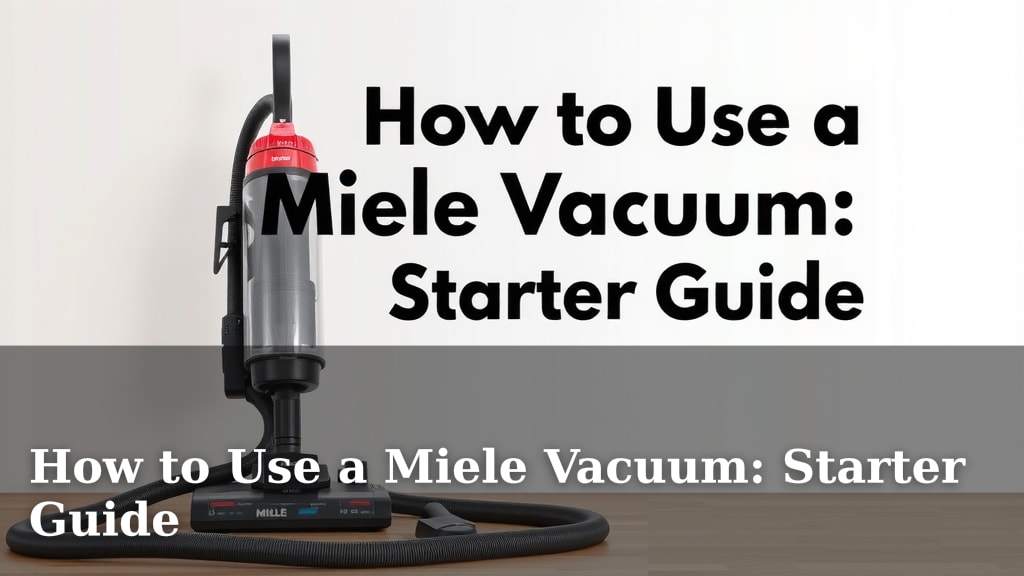
How to Use a Miele Vacuum: Starter Guide
Using your Miele vacuum is surprisingly straightforward, even with its advanced features. The key is to start with the basics: attach the right cleaning head for your floor type and ensure the dust bag or container is properly seated. You’ll be enjoying a cleaner home in no time.
Miele vacuums are known for their powerful suction and thoughtful design, making them a joy to use once you know the ropes. Understanding your specific model’s controls and accessories means you can tackle any mess, from delicate rugs to stubborn pet hair, with confidence and ease. It’s all about making cleaning less of a chore.
TL;DR:
- Always select the correct floorhead.
- Check that the dust bag or canister is securely in place.
- Familiarize yourself with your model’s controls.
- Regular maintenance keeps your Miele running smoothly.
Let’s walk through exactly how to get your Miele vacuum up and running like a pro, step by step.
Getting Started with Your Miele Vacuum
So you’ve got a new Miele vacuum. Congratulations! You’ve invested in a machine known for its durability and cleaning power. But how do you actually begin using it? It’s simpler than you might think. This guide will walk you through the essential steps so you can get to cleaning quickly.
Unpacking and Assembly: The First Steps
Before you can vacuum, you’ll need to get your Miele out of the box and put it together. Most Miele vacuums come with the main body and the wand/hose already attached. You’ll typically just need to connect the floorhead to the wand.
Check your model’s manual for specific assembly instructions. It will show you exactly where each piece fits. Don’t worry if it seems a little confusing at first. Miele designs their vacuums to be intuitive.
Understanding Your Miele’s Dust Collection System
Miele offers two main types of dust collection: bagged and bagless. Knowing which one you have is key to proper use and maintenance. This system is where all the dirt and debris goes.
Bagged Vacuums: The Classic Choice
If your Miele uses dust bags, you’ll find a special compartment for them. These bags are designed with multiple layers to trap fine dust and allergens. When the bag is full, you simply swap it out for a new one.
Make sure the new bag is seated correctly. An improperly installed bag won’t seal properly. This can lead to dust escaping back into your air. You’ll usually hear a soft click when it’s in place.
Bagless Vacuums: The Modern Approach
Some Miele models feature a convenient dust container instead of a bag. These are designed for easy emptying. You’ll need to detach the container and empty its contents into your trash bin.
Empty the container regularly. Don’t wait until it’s overflowing. A full container can reduce suction power. Many experts suggest emptying it after each major cleaning session (Mayo Clinic).
Connecting the Hose and Wand
Your Miele vacuum’s hose and wand are what allow you to reach different areas. They connect to the main body of the vacuum. There’s usually a secure locking mechanism.
Listen for a click when you connect the hose to the vacuum body. This confirms it’s securely attached. A good connection ensures optimal airflow and suction power.
Choosing the Right Floorhead for the Job
This is where your Miele truly shines. Different floor types need different cleaning tools. Using the wrong attachment can be ineffective and even damaging.
For Hard Floors (Tile, Wood, Laminate)
Miele vacuums often come with a Parquet Twister floorhead. This specialized attachment is designed for delicate hard surfaces. It has soft bristles that won’t scratch your floors. It also pivots easily to get into corners.
For Carpets and Rugs
Most Miele models include a combination floorhead or a dedicated electrobrush. The electrobrush has a power-driven roller brush. This brush agitates carpet fibers to lift dirt and debris effectively. You can usually adjust the brush height for different carpet pile depths.
Check the carpet height setting if you have thick carpets. A setting that’s too low can make it hard to push the vacuum. It can also damage the brush roll. Many users find adjusting this setting makes a big difference.
Powering On and Adjusting Suction
Once everything is assembled and the correct floorhead is attached, it’s time to power up. You’ll find the power button on the main body of the vacuum.
Miele vacuums offer variable suction control. This is a fantastic feature! You’ll usually find a dial or buttons to adjust the power. Lower suction is perfect for delicate items like curtains or lampshades. Higher suction is needed for deep cleaning carpets.
We found that starting with a medium setting is a good general rule. Then, you can increase or decrease it as needed. This helps you conserve energy and protect your surfaces. It’s like having different gears for different driving conditions.
Using the Controls and Features
Your Miele vacuum has several controls designed for ease of use. Familiarize yourself with these to make cleaning more efficient.
Power Button
This is straightforward: press it to turn the vacuum on and off. Simple, right?
Suction Control
As mentioned, this lets you adjust the power. Look for a dial with numbers or symbols indicating different levels.
Automatic Mode (On Some Models)
Some Miele vacuums have an “Auto” setting. In this mode, the vacuum automatically adjusts suction power based on the surface. Sensors detect changes from carpet to hard floor. This can be a real time-saver and offers consistent cleaning.
Cord Rewind
Miele vacuums feature an automatic cord rewind system. Simply press a button, and the power cord retracts neatly into the machine. This keeps your storage space tidy and prevents tripping hazards.
A Quick Checklist for First-Time Use
Ready to go? Here’s a quick checklist to ensure you’re set up for success:
- Is the dust bag or container properly seated?
- Is the hose securely attached to the vacuum body?
- Have you selected the correct floorhead for your current cleaning surface?
- Is the power cord fully extended (but not near the end)?
- Have you set the suction power to an appropriate level?
Following these simple steps will ensure your Miele vacuum performs at its best right from the start. You’re now well on your way to a cleaner, healthier home!
Conclusion
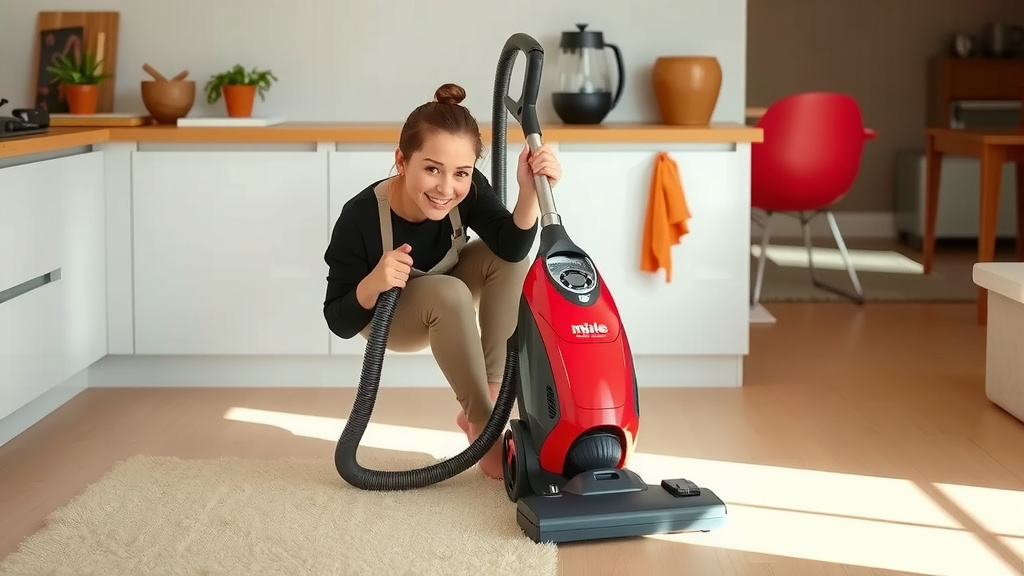
You’ve successfully navigated the essentials of using your Miele vacuum. We’ve covered everything from simple assembly and dust collection to selecting the right floorhead and adjusting suction power. Remember, a little bit of knowledge goes a long way to making your cleaning routine more efficient and enjoyable. Your Miele is designed to make keeping your home spotless easier than ever before. Now, take a moment to review your specific model’s manual and practice using its features. You’re ready to experience the Miele difference!
Frequently Asked Questions
How do I know when to change the dust bag on my Miele?
Your Miele vacuum will often have an indicator light or a noticeable drop in suction power. Most Miele bags also have a colored tab that flips up when they are nearing full. It’s best to replace the bag before it’s completely full to maintain optimal performance.
Can I vacuum pet hair with my Miele?
Yes, absolutely! Many Miele vacuums are excellent at picking up pet hair. For heavily carpeted areas with pet hair, consider using a model with an electrobrush floorhead. Regularly cleaning the brush roll of the floorhead will ensure it remains effective.
What if my Miele vacuum loses suction?
A loss of suction usually means the dust bag or container is full and needs emptying. Also, check the hose and wand for any blockages. Ensure the dust bag is correctly seated if you have a bagged model.
How do I store my Miele vacuum safely?
Most Miele vacuums have a cord rewind function for neat storage. You can usually park the wand and floorhead onto the vacuum body. Store your Miele in a dry place, away from extreme temperatures.
Are Miele vacuums hard to maneuver on different floor types?
Miele vacuums are designed for ease of use. They typically have smooth-rolling wheels for easy movement. Using the correct floorhead for each surface, like the Parquet Twister for hard floors, makes maneuvering simple and effective.