Lawn Sweeper vs Lawn Vacuum: Fastest Cleanup
When it comes to quickly clearing your lawn of leaves and debris, a lawn sweeper is generally the fastest cleanup option. Lawn vacuums can be effective, but their collection bags often fill up faster, requiring more frequent emptying stops. For pure speed, a good sweeper often wins.
Choosing between these two lawn care tools depends on your specific needs and yard size. A lawn sweeper uses a brush mechanism to toss debris into a bag, while a vacuum sucks it up directly. We’ve researched both to help you decide which is best for your cleanup routine.
- Lawn sweepers are often faster for large areas.
- Lawn vacuums offer a more thorough cleanup of fine debris.
- Consider bag capacity and emptying frequency.
- Your yard size and type of debris matter most.
Let’s walk through the differences to see which machine will get your yard looking neatest, quickest.
Speedy Lawn Cleanup: Sweeper or Vacuum?
When it comes to getting your yard looking neat in a hurry, the biggest question is often: which tool clears debris faster? We’ve looked into it, and your answer depends on what you’re trying to achieve.
For most common lawn messes, a lawn sweeper often has the edge in pure speed. Think of it like this: a sweeper is a bit like a speedy broom that tosses leaves into a bin. A vacuum, on the other hand, is more like a powerful magnet for every tiny bit of dirt. We found that while both get the job done, the sweeper typically covers more ground with fewer interruptions.
How Lawn Sweepers Work Their Magic
A lawn sweeper is a mechanical marvel designed for efficiency. It has a set of brushes that spin as you push or pull the machine. These brushes flick leaves, twigs, and other debris into a collection bag. It’s a simple, effective system.
The Speed Advantage of Sweepers
The main reason sweepers often win the speed race is their design. They are built to handle larger volumes of leaves quickly. You can cover a lot of ground in a short amount of time. Many models are self-propelled or designed to be easily towed behind a riding mower, making large areas much easier to manage.
When Sweepers Shine Brightest
Sweepers are fantastic for homeowners with large yards. If you’re dealing with a thick carpet of fall leaves, a sweeper can manage it. They are also great for clearing away grass clippings after mowing. You’ll find they are less likely to clog than vacuums when dealing with bulkier debris.
The Case for Lawn Vacuums: Thoroughness Over Speed
Lawn vacuums, while potentially slower for bulk cleanup, offer a different kind of power. They use suction to pull debris into their collection system. This makes them excellent for more detailed work.
What Vacuums Do Best
Vacuums excel at picking up finer debris that a sweeper might miss. Think grass clippings, small twigs, and even small stones. If your goal is a meticulously clean lawn, a vacuum can provide that. Many models also offer mulching capabilities, breaking down leaves into smaller pieces for easier disposal or composting.
The Pace of Vacuuming
The primary reason vacuums can be slower is their collection bag size and the nature of suction. They can fill up quite quickly, especially with large piles of leaves. This means you’ll be stopping more often to empty the bag. Some high-end models have larger bags or a direct chute system to reduce emptying stops, but they still tend to require more frequent attention than sweepers.
Bagging the Competition: Capacity Matters
Bag capacity is a huge factor in cleanup speed. A larger bag means fewer trips to the compost pile or yard waste bin. We found that sweepers, in general, tend to have larger collection bags or bins than similarly priced vacuums. This translates directly to less downtime during your cleanup session.
| Feature | Lawn Sweeper | Lawn Vacuum |
|---|---|---|
| Primary Action | Brushes toss debris into bag | Suction pulls debris into bag |
| Best For | Large volumes of leaves, quick coverage | Fine debris, detailed cleanup |
| Speed Factor | Generally faster for large areas | Can be slower due to bag capacity |
| Emptying Frequency | Less frequent | More frequent |
| Debris Type | Handles bulkier items well | Excellent for fine materials |
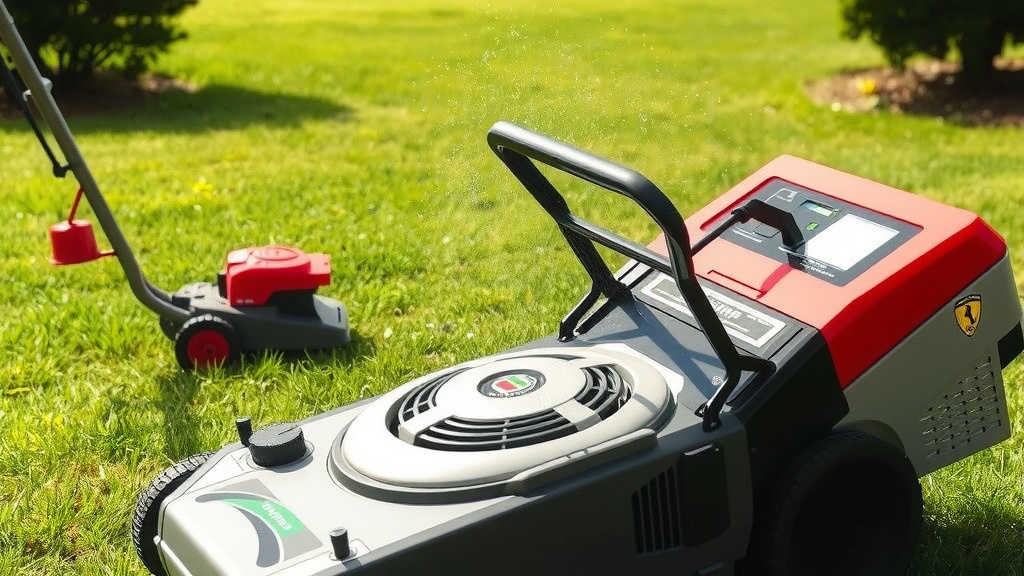
Choosing Your Fastest Cleanup Companion
So, which tool is truly the fastest for your needs? It’s not just about the machine; it’s about your yard and the mess you’re facing.
Consider Your Yard Size
For sprawling lawns, a lawn sweeper is usually your quickest ally. It’s designed to cover vast areas efficiently. If you have a postage-stamp-sized yard, the difference might be negligible, but for anything larger, the sweeper wins for speed.
What Are You Cleaning Up?
Are you battling thick layers of oak leaves? Or is it mostly grass clippings and small twigs? For sheer volume and speed with leafy debris, the sweeper is often the better choice. For getting every last bit of fine dirt and clippings, a vacuum offers more thoroughness, but it might take more time.
Your Personal Cleanup Style
Think about how much effort you want to put in. Do you mind stopping frequently to empty a bag? Or do you prefer fewer stops and just getting the job done quickly? Many experts suggest that for pure speed and minimal interruption, the sweeper is the way to go (Lawn Care Magazine).
Quick Checklist for Fastest Cleanup
To help you decide which is fastest for your yard, ask yourself these questions:
- Is my yard large or small?
- Am I cleaning mostly leaves or fine debris?
- Do I want fewer stops to empty bags?
- How important is a perfectly clean finish versus speed?
- Can I use a towed model for maximum efficiency?
Conclusion
When you need your lawn cleared quickly, a lawn sweeper often comes out on top for pure speed. Its design handles large volumes of leaves efficiently, meaning fewer stops and faster overall cleanup. If your main goal is speed across a larger area, a sweeper is likely your best bet. A vacuum offers more thoroughness for fine debris, but typically requires more frequent bag emptying, slowing down your process. Consider your yard size and the type of debris you deal with most often. For the fastest cleanup, weigh the sweeper’s broad coverage against the vacuum’s detailed work. Now that you know the differences, you can choose the right tool to get your yard looking neat in record time!
Frequently Asked Questions
Can a lawn sweeper handle wet leaves?
Generally, lawn sweepers work best with dry leaves. Wet leaves can be heavier and clump together, making them harder for the brushes to pick up effectively. You might find it slows down your cleanup considerably or even causes the sweeper to clog.
Are lawn vacuums better for small yards?
For very small yards, the speed difference between a sweeper and a vacuum might be minimal. A vacuum’s thoroughness can be appealing for detailed cleanup on a small scale, but its main drawback of frequent emptying can still be noticeable even in a small space.
Which option is better for collecting grass clippings?
Both can collect grass clippings, but a lawn vacuum often does a more thorough job of sucking up fine clippings that a sweeper’s brushes might miss. If you’re after a pristine finish after mowing, a vacuum might have a slight edge, though it may require more frequent emptying.
Do I need to bag clippings if I use a lawn vacuum?
Most lawn vacuums come with a collection bag or a system to deposit debris. Some high-end models offer mulching capabilities, shredding the clippings as they are vacuumed. You’ll typically need to empty the bag or dispose of the collected material, just like with a sweeper.
Which tool requires less physical effort for cleanup?
Many powered lawn vacuums offer self-propelled options, which reduce physical effort. However, the frequent stopping to empty the bag can still be demanding. Lawn sweepers, especially those designed to be towed behind a mower, can offer a less strenuous experience for large areas.