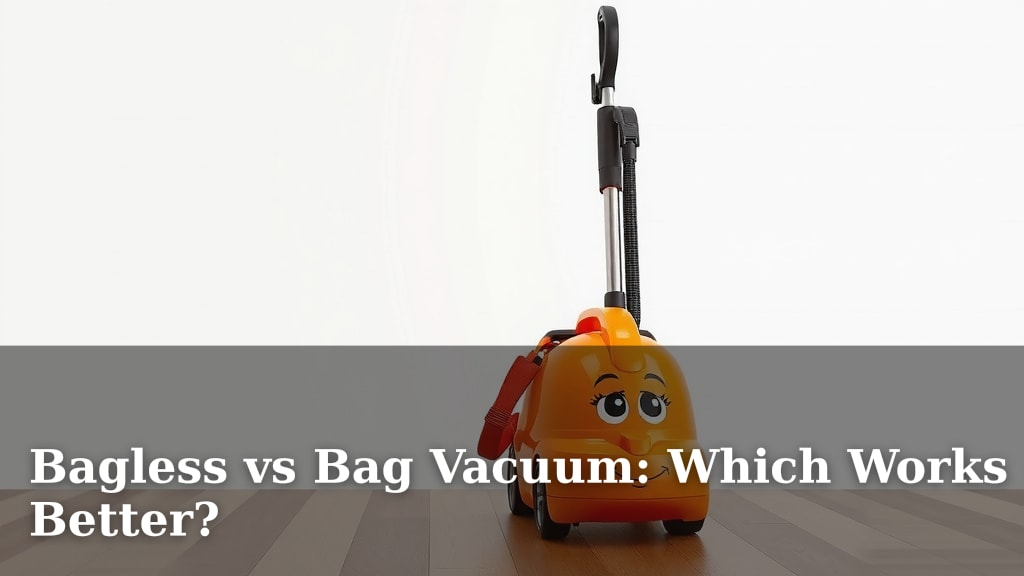
Bagless vs Bag Vacuum: Which Works Better?
Deciding between a bagless and bagged vacuum cleaner? For most households, a bagless vacuum cleaner works better because it offers long-term cost savings and is generally more environmentally friendly. You won’t need to keep buying replacement bags. This makes them a popular choice for everyday cleaning.
While bagged vacuums offer a more contained dust disposal, modern bagless models have improved their filtration. This means you can enjoy convenience without sacrificing too much on air quality. We’ve looked into what makes each type tick. Many homeowners find the ease of use a major deciding factor.
- Bagless vacuums are cheaper to run long-term.
- Bagged vacuums offer easier, more contained disposal.
- Bagless vacuums might release more dust when emptying.
- Filtration technology is key for both types.
- Your cleaning needs will guide the best choice.
Let’s walk through the pros and cons of each so you can pick the perfect vacuum for your home.
Bagged vs. Bagless Vacuums: Which Cleaning Companion Is Right for You?
Choosing between a bagged and bagless vacuum cleaner often feels like picking a side in a quiet household war. Both types aim to suck up dirt and debris. But they go about it in very different ways. We’ve looked at the facts to help you decide. Your home and cleaning habits will point you toward the better choice.
Let’s break down what each type offers. This will make your decision much clearer. Think about your daily cleaning needs. Consider how you feel about emptying a dust bin. These factors will guide you.
The Case for Bagless Vacuums
Bagless vacuums have become incredibly popular. Their main appeal lies in convenience and long-term savings. You never need to buy replacement bags for them. This is a big plus for many households.
How Bagless Vacuums Work
Instead of a disposable bag, bagless vacuums use a special container. This container collects dust and debris. When it’s full, you simply detach it. Then, you empty it directly into the trash bin. Most models use cyclonic separation. This technology spins the air at high speeds. It forces heavier particles like dirt and dust into the container. Lighter air is then filtered and expelled.
Key Advantages of Going Bagless
- Cost Savings: This is a major draw. You save money by not buying new bags. Over the life of the vacuum, this can add up significantly.
- Environmental Friendliness: Fewer disposable bags mean less waste going into landfills. This makes bagless models a greener option.
- Ease of Use: Emptying the bin is usually straightforward. You can often see how full it is. This helps you know when it’s time to empty it.
- Performance Consistency: Some studies suggest bagless vacuums maintain suction power better as the bin fills. This is because the filtration system is less likely to get clogged by a packed bag.
Potential Downsides to Consider
While bagless vacuums have many benefits, there are a few things to watch out for. Emptying the dustbin can be messy. You might release some dust back into the air. This can be a concern for people with allergies or asthma.
Many modern bagless vacuums now have excellent filtration systems, like HEPA filters. This helps capture fine particles. However, it’s still something to be aware of. You need to be careful when emptying the container. We found that shaking the bin outdoors can minimize dust release.
The Strengths of Bagged Vacuums
Bagged vacuums have been around for a long time. They are known for their hygienic dust disposal. If clean air is your top priority, a bagged model might be your best bet.
Understanding Bagged Vacuum Mechanics
In a bagged vacuum, dirt and dust are collected inside a disposable bag. This bag acts as a primary filter. Once the bag is full, you simply remove it from the vacuum. You then seal it and throw it away. The entire system is contained. This means very little dust escapes during the disposal process.
Why Choose a Bagged Vacuum?
- Superior Containment: The sealed bag traps dust and allergens effectively. This is great for reducing dust exposure. Experts often recommend them for allergy sufferers (Cleveland Clinic).
- Cleaner Disposal: Emptying a bag is generally cleaner. You don’t have to touch the dust directly. This is a big plus for sensitive individuals.
- Airtight Seal: When you’re done vacuuming, the dust stays sealed in the bag. It won’t get released back into your home environment.
- Often Quieter Operation: Some research indicates that the bag can act as a sound dampener. This can lead to a quieter cleaning experience.
What to Know Before Buying Bagged
The main drawback of bagged vacuums is the ongoing cost of replacement bags. You’ll need to keep buying them. This adds to your cleaning expenses over time. The availability of specific bags can also be an issue. If you can’t find the right bags for your model, it becomes unusable.
Also, as the bag fills up, the vacuum’s suction power can decrease. This is because the airflow becomes restricted. You might need to change the bag more often than you think to maintain optimal performance.
Comparing Key Features Side-by-Side
Let’s look at a quick comparison to help you visualize the differences. It’s all about what matters most to you.
| Feature | Bagless Vacuum | Bagged Vacuum |
|---|---|---|
| Initial Cost | Often slightly higher | Can be lower |
| Running Cost | Low (no bag purchases) | Ongoing (bag purchases) |
| Dust Disposal | Emptying a bin (can be dusty) | Replacing a sealed bag (cleaner) |
| Allergy Friendliness | Good with HEPA, but emptying is key | Excellent containment |
| Maintenance | Regular bin emptying, filter cleaning | Regular bag replacement |
Filtration: A Crucial Factor for Both Types
Regardless of whether you choose a bagged or bagless vacuum, filtration is paramount. The filter’s job is to trap tiny particles. These can include dust mites, pollen, and pet dander. A good filter ensures cleaner air is expelled from the vacuum.
Understanding HEPA Filters
HEPA (High-Efficiency Particulate Air) filters are considered the gold standard. They can capture at least 99.97% of particles. This includes particles as small as 0.3 microns. Many vacuums, both bagged and bagless, now come with HEPA filtration. This dramatically improves air quality. Many health organizations recommend HEPA filtration for homes with allergy sufferers (CDC).
Maintenance of Filtration Systems
Bagless vacuums typically have washable or replaceable filters. You’ll need to clean them regularly. Clogged filters reduce suction power. They can also decrease the effectiveness of the filtration. Bagged vacuums often have multi-layer filtration. The bag itself is the first layer. Additional filters can also be present and require occasional checks or replacement.
Making the Final Choice for Your Home
So, which type of vacuum is better for you? It truly depends on your priorities. Think about these questions:
- Do you have allergies or asthma in your household?
- What is your budget for vacuum cleaner accessories?
- How much do you mind getting your hands dirty during cleanup?
- What kind of floors do you have?
- How much storage space do you have for spare parts like bags?
If you prioritize cost savings and eco-friendliness, and you’re okay with a little care during emptying, a bagless model is likely your best bet. If you need the highest level of dust containment for severe allergies and prefer a cleaner disposal method, a bagged vacuum is a strong contender. Many experts agree that both can be effective when maintained properly.
Conclusion
Choosing between a bagged and bagless vacuum comes down to your personal cleaning priorities. Bagless models offer excellent long-term cost savings and are generally more eco-friendly by eliminating disposable bags. They’re a great choice if you want to save money and reduce waste. Bagged vacuums, on the other hand, excel at hygienic dust containment, making them ideal for allergy sufferers. They offer a cleaner way to dispose of dust and debris.
We found that both types can deliver great results. Your decision should hinge on whether you prioritize budget and sustainability or maximum dust control and a cleaner disposal process. Consider your home’s needs carefully, and you’ll pick the right vacuum companion.
Frequently Asked Questions
How often should I empty a bagless vacuum’s dustbin?
You should empty your bagless vacuum’s dustbin when it’s about two-thirds full. This prevents the filter from getting clogged and maintains optimal suction power. We found that regular emptying makes a big difference in performance.
Are bagged vacuums truly better for allergies?
Yes, bagged vacuums generally offer superior containment for allergens. The sealed bag traps dust and particles more effectively, reducing the chance of them being released into the air. We recommend them for households with severe allergy concerns.
Do bagless vacuums lose suction power as they fill up?
While early bagless models had this issue, newer ones with advanced cyclonic technology maintain suction better. However, performance can still dip if the dustbin isn’t emptied regularly or if the filters become clogged. We found consistent emptying is key.
What is the running cost difference between bagged and bagless vacuums?
Bagless vacuums have a lower running cost because you don’t need to purchase replacement bags. Bagged vacuums require ongoing spending on bags, which can add up over the vacuum’s lifespan. Your budget will likely lean towards bagless for long-term savings.
Can a bagless vacuum’s filters be washed?
Many bagless vacuums feature washable filters, which is a great cost-saver. Always check your vacuum’s manual, as not all filters are designed for washing. Properly cleaning these filters helps maintain suction and air quality.