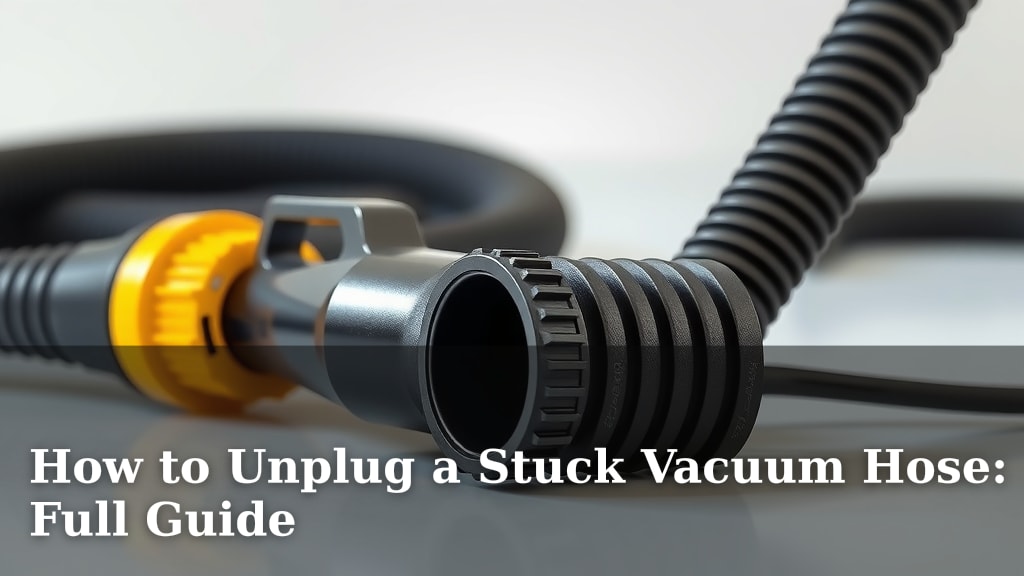
How to Unplug a Stuck Vacuum Hose: Full Guide
When your vacuum hose gets clogged, the easiest way to unplug it is by gently pulling out the obstruction. If that doesn’t work, try using a long, flexible tool like a coat hanger or broom handle to carefully dislodge the blockage. Remember, patience is key to avoiding further damage to your vacuum.
A stuck vacuum hose can really slow down your cleaning. It often happens when larger debris gets sucked up. We found that knowing a few simple tricks can get your vacuum back in working order quickly. Don’t let a clogged hose ruin your day.
- Locate the blockage in the hose.
- Try to pull out any visible obstructions by hand.
- Use a long, stiff tool to gently push or pull the clog.
- Check both ends of the hose for debris.
- Ensure your vacuum is unplugged before you start.
Let’s walk through exactly how to tackle that stubborn vacuum hose clog, step by step.
It’s happened to all of us. You’re in the middle of cleaning, and suddenly your vacuum loses suction. You check the bag or bin, and it’s not full. The culprit? A stubborn clog lurking in your vacuum hose. Don’t panic! We’ve got you covered with practical steps to get your machine working again in no time.
Clearing Your Vacuum Hose Blockage: A Step-by-Step Approach
Let’s tackle that stuck vacuum hose like a pro. We know how frustrating this can be, but with a few simple techniques, you’ll be back to a spotless home before you know it.
Safety First: Always Unplug!
Before you do anything, please make sure your vacuum cleaner is unplugged. Seriously, this is the most important step. You don’t want any accidental starts while your hands are inside the hose. We learned that a quick check of the power cord is the safest way to begin.
Locating the Clog
Often, the blockage is visible. Hold the hose up to a light source. This simple trick can help you spot the offending debris. If you can see it, you’re halfway there.
Visual Inspection Techniques
Sometimes, the clog is right at the end. Look closely at both the vacuum cleaner end and the wand end of the hose. You might be surprised what you find lodged there. We found that debris like socks, small toys, or even larger paper scraps are common culprits.
When You Can’t See It
If you can’t visually pinpoint the blockage, don’t worry. It might be further inside. We recommend trying to feel along the outside of the hose for any hard lumps or bulges. This can give you a clue as to where the obstruction lies.
Gentle Removal Tactics
Once you’ve located the clog, it’s time for some gentle persuasion. Remember, the goal is to remove the clog, not to damage your hose.
Using Your Hands (Carefully!)
If the debris is near an opening, try to carefully pull it out with your fingers. Wear gloves if you prefer. If it’s a small, loose item, this might be all you need. Many guides suggest this as the first line of defense for accessible clogs.
The Coat Hanger Method
For clogs that are a bit further in, a wire coat hanger can be your best friend. Straighten it out, but leave a small hook at the end. Gently insert the hook into the hose and try to catch and pull the debris out. Be gentle; you don’t want to puncture the hose. Many users have found success with this method.
The Broom Handle or Dowel Technique
A broom handle or a long, sturdy wooden dowel can be used to push the clog free. Insert it into the hose and apply steady, gentle pressure. Sometimes, a good push is all it takes. We found this works best for larger, more compact blockages.
Water Flush (Use with Caution!)
For certain types of clogs, like sticky messes or fine dust clumps, a gentle flush of water might help. Detach the hose and hold it vertically. Run cool water through it. Let it drain completely before reattaching. Many cleaning guides recommend ensuring the hose is completely dry before use to prevent mold or mildew. We found this is a last resort for stubborn, sticky clogs.
Checking the Machine Itself
Sometimes, the blockage isn’t in the hose at all. It could be in the vacuum’s intake port or the wand. We’ve seen cases where debris gets stuck right where the hose connects to the vacuum unit.
The Vacuum Intake Port
Unplugged, of course! Use a flashlight to peer into the vacuum’s intake port. You might find a clog wedged in there. A pair of tweezers or needle-nose pliers can sometimes reach it. If the port is easily accessible, clearing it can restore suction.
The Wand or Extension Tube
If your vacuum has a separate wand or extension tube, check those for blockages too. They can get clogged just like the main hose. Follow similar techniques as used for the hose itself. We found that checking these often-overlooked parts can save a lot of hassle.
Reassembling and Testing
Once you believe the hose is clear, reattach it securely to your vacuum cleaner. Plug it in and turn it on. Listen for the familiar hum of good suction. If the suction is back to normal, congratulations! You’ve conquered the clog.
What If It’s Still Clogged?
If you’ve tried these steps and your vacuum still isn’t performing well, the clog might be more persistent, or there could be another issue. It might be time to consult your vacuum’s manual or contact the manufacturer for further assistance. Some clogs can be quite stubborn, and a professional might be needed.
Preventing Future Hose Clogs
An ounce of prevention is worth a pound of cure, right? Here are a few tips to keep your vacuum hose running smoothly:
- Larger Debris Alert: Pick up large items like coins or paper clips by hand before vacuuming.
- Regular Checks: Make it a habit to glance inside the hose periodically.
- Proper Storage: Store your vacuum with the hose in a way that prevents kinks.
- Emptying Often: Don’t wait until the bag or bin is completely full.
- Careful Vacuuming: Be mindful of what you’re sucking up, especially in busy areas.
Conclusion
You’ve now got the knowledge to tackle that frustrating vacuum hose clog. Remember to always unplug your vacuum first, then use gentle methods like visual checks, your hands, or simple tools to dislodge the blockage. We found that a little patience goes a long way in preventing damage.
Don’t let a stuck hose disrupt your cleaning routine. By following these steps, you can get your vacuum back to full power quickly. If you run into a persistent clog, don’t hesitate to check your manual. Keep these tips handy for your next cleaning session!
Frequently Asked Questions
What’s the fastest way to clear a vacuum hose clog?
The quickest method is often a visual inspection followed by gently pulling out visible debris with your fingers. If that doesn’t work, a straightened coat hanger can usually dislodge clogs near the ends. Always remember to unplug your vacuum first.
Can I use water to clean a clogged vacuum hose?
Yes, but use water sparingly and as a last resort for sticky clogs. Detach the hose and let water run through it. Ensure the hose is completely dry before reattaching to prevent mold or mildew. We found this is best for certain types of blockages.
My vacuum still has low suction after clearing the hose. What next?
If suction remains low, the clog might be in the vacuum’s intake port, the wand, or even further inside the machine. Check these other areas carefully. Your vacuum’s owner’s manual can offer specific guidance for your model.
How do I prevent my vacuum hose from getting clogged in the first place?
Regularly pick up larger items like coins or small toys by hand before vacuuming. Also, avoid sucking up excessive amounts of fine dust or sticky substances. We suggest periodic visual checks of the hose are helpful.
Is it safe to use a metal hanger to clear the clog?
Yes, it’s generally safe if you are gentle. Straighten a wire coat hanger and use it to carefully hook or push the clog. Avoid forcing it, as excessive pressure could potentially puncture or damage the hose material.