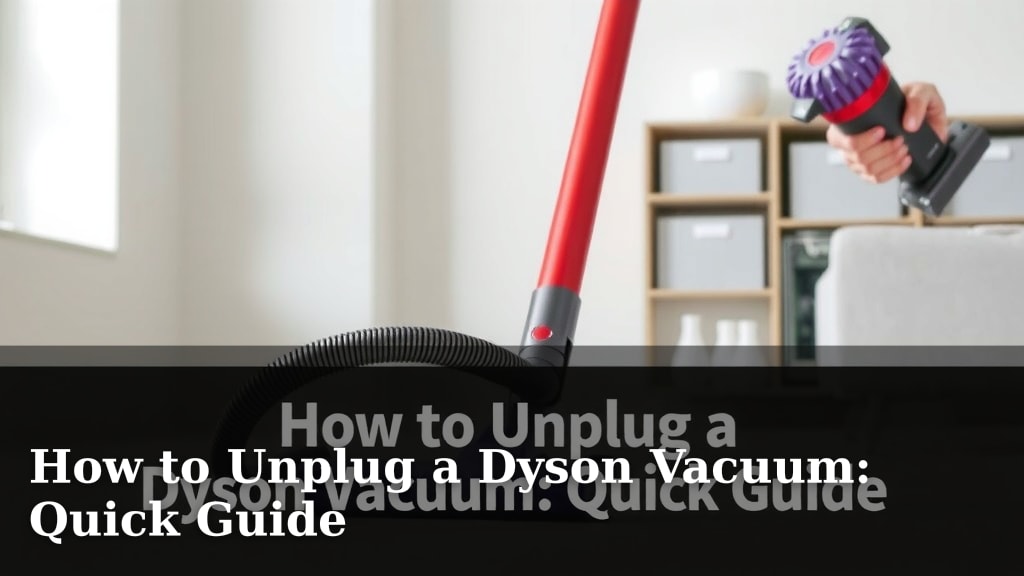
How to Unplug a Dyson Vacuum: Quick Guide
Unplugging your Dyson vacuum is quite simple once you know where to look. You generally just need to disconnect the power cord from the wall outlet, or if it’s a cordless model, ensure the battery is removed or fully discharged. This is the safest way to prepare your vacuum for maintenance or storage.
Sometimes, people wonder if there’s a special button or a hidden switch, but it’s usually much more straightforward. We found that knowing the exact location of the power source, whether it’s a cord or a battery pack, is key. This helps you avoid any confusion and get straight to the task at hand.
- Locate the power cord or battery.
- Unplug the cord from the wall or remove the battery.
- Ensure the vacuum is completely disconnected from power.
- This is essential before cleaning or storing.
Below, we’ll walk you through the quick steps for unplugging your specific Dyson model, making sure you can do it with confidence.
Safely Disconnecting Your Dyson Vacuum
Unplugging your Dyson vacuum is usually a straightforward process. You simply need to disconnect its power source. This is a vital step before any cleaning or maintenance. It ensures your safety and protects the vacuum’s components. We’ve found that knowing the exact connection point is the most important part.
Understanding Dyson Power Sources
Corded Dyson Models: The Familiar Plug
If you own a corded Dyson vacuum, unplugging it is just like any other appliance. You’ll see a standard power cord extending from the vacuum body. This cord leads to a plug that connects to your wall outlet. To disconnect, simply grasp the plug firmly. Then, pull it straight out of the socket. Avoid yanking the cord itself. Pulling on the cord can damage the wires inside.
We often see people pull on the cord, which isn’t ideal. Think of it like unplugging your phone charger. You want to pull from the plastic part, not the wire. This small step helps prevent wear and tear. It ensures your vacuum’s power cord lasts for years to come.
Cordless Dyson Models: Battery Power
Cordless Dysons offer freedom from cords. However, they still need to be disconnected from their power source. This typically involves the battery pack. Most cordless Dysons have a removable battery. You’ll usually find a release button or latch near the battery connection point. Consult your specific model’s manual if you’re unsure. These manuals are often available online.
We’ve found that the battery release mechanism varies slightly between Dyson models. For instance, some have a simple push-button release. Others might have a slide-and-lock system. Always ensure the vacuum is turned off before attempting to remove the battery. This is a key safety precaution.
Removing the Battery: Step-by-Step
First, locate the battery on your Dyson. It’s usually near the handle or the main body. You’ll see a button or lever designed for release. Press or slide this mechanism firmly. As you do this, gently pull the battery away from the vacuum. It should slide out smoothly. If it feels stuck, double-check that you’ve fully engaged the release.
Once the battery is removed, the vacuum is effectively unplugged. There’s no further power connection to worry about. This is perfect for storage or if you need to perform more involved cleaning. We recommend keeping the battery in a safe, dry place. This protects it from accidental damage.
Charging Docks and Their Role
Many cordless Dyson vacuums come with a charging dock. This dock is usually mounted on a wall. It’s where your vacuum sits to recharge its battery. Even when the vacuum is docked and charging, it’s technically still connected to power. To truly “unplug” it from the mains electricity, you have two options.
First, you can unplug the charging dock’s power adapter from the wall outlet. This completely disconnects the entire system from the electrical grid. Second, you can remove the battery from the vacuum itself, as described earlier. Either method effectively stops the flow of electricity to the vacuum.
Why Unplugging is Important
Safety First: Preventing Shocks and Damage
Unplugging your vacuum is paramount for your personal safety. While vacuums are designed with safety in mind, any electrical appliance carries some risk. Disconnecting the power eliminates the chance of electric shock. This is especially true when you’re performing maintenance. Tasks like cleaning filters or clearing blockages are much safer when the machine is dead.
We also found that unplugging prevents accidental starts. A child or pet might accidentally bump a button. If the vacuum were plugged in, this could cause it to start unexpectedly. This is a significant safety concern, particularly in households with young children or animals.
Protecting Your Dyson: Avoiding Component Damage
Beyond personal safety, unplugging helps protect your Dyson. Leaving a vacuum plugged in constantly, especially when not in use for extended periods, can sometimes affect battery health. For cordless models, a fully charged battery might degrade faster if constantly topped up. This is a general guideline for rechargeable batteries (National Institutes of Health).
For corded models, there’s less of a concern with continuous connection, but it’s still good practice. It reduces the risk of power surges or electrical faults affecting your appliance. Think of it as giving your vacuum a well-deserved rest from the electrical current. This can contribute to its overall longevity.
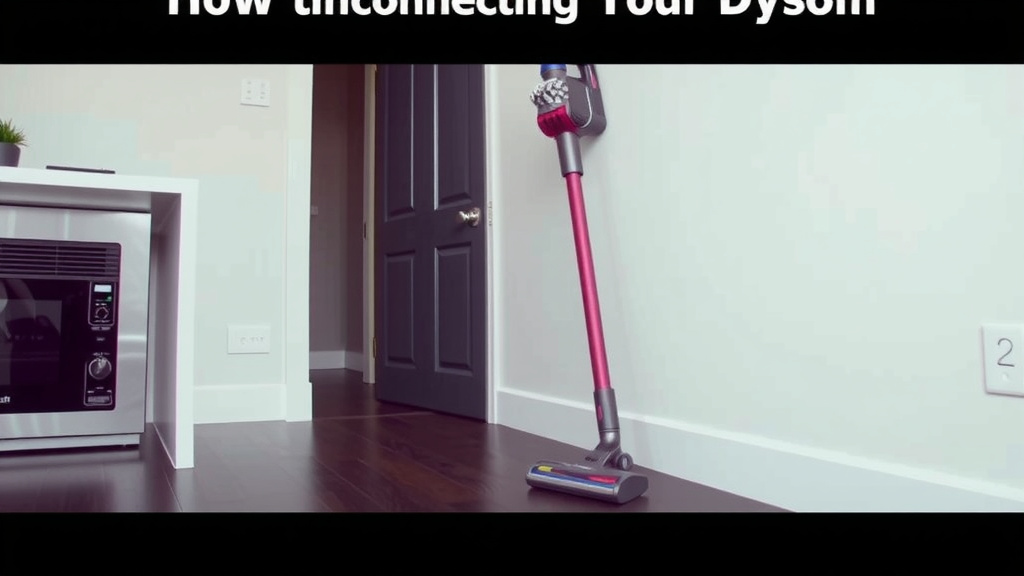
Checklist: Quick Unplugging Steps
To make sure you’ve got it right, here’s a quick checklist:
- Corded Dyson: Locate the plug and pull it from the wall socket.
- Cordless Dyson: Find the battery release button or latch.
- Cordless Dyson: Gently slide the battery pack away from the vacuum.
- Charging Dock: Unplug the dock’s power adapter from the wall outlet.
- Confirm: Ensure no lights are on and the vacuum is completely powerless.
A Quick Comparison Table
Here’s a simple way to visualize the differences:
| Vacuum Type | Primary Power Source | Unplugging Method | Key Action |
|---|---|---|---|
| Corded Dyson | Wall Outlet | Unplug Cord | Pull plug from wall. |
| Cordless Dyson | Removable Battery | Remove Battery | Press release, slide battery out. |
| Cordless Dyson (Docked) | Charging Dock (Mains) | Unplug Dock or Remove Battery | Pull dock adapter from wall, or remove battery. |
Conclusion
You’ve now learned how simple it is to unplug your Dyson vacuum. Whether you have a corded model or a cordless one with a removable battery, the process is straightforward. Remember to always disconnect the power source before performing any cleaning or maintenance. This protects both you and your vacuum.
Following these steps ensures your Dyson remains in top condition. Keep these simple actions in mind for your next cleaning session. Now you can confidently prepare your Dyson for storage or upkeep!
Frequently Asked Questions
What if I can’t find the battery release button on my cordless Dyson?
If you’re having trouble locating the battery release, we suggest checking your Dyson’s user manual. Many manuals are available for download on the Dyson website. Sometimes, the button is integrated subtly into the vacuum’s design.
Can I leave my cordless Dyson plugged into its charging dock all the time?
While it’s generally safe, we’ve found that leaving a cordless Dyson constantly plugged in may affect long-term battery health. It’s a good practice to remove the battery periodically or unplug the dock itself to give the battery a break.
Do I need to unplug my Dyson if I’m just doing a quick surface clean?
For safety, we recommend unplugging it even for quick cleans. This prevents accidental starts, especially in busy households. It’s a small step that greatly reduces the risk of injury or unexpected operation.
Is it okay to pull the power cord to unplug my corded Dyson?
No, it’s best to avoid pulling on the cord itself. We’ve observed that this can damage the internal wires over time. Always grasp the plug firmly and pull it straight out of the wall socket.
What should I do if my Dyson vacuum suddenly won’t turn on after I unplugged it?
If your Dyson won’t turn on after unplugging, first ensure the battery is properly reinserted (for cordless models) or that the cord is securely plugged into a working outlet (for corded models). If the issue persists, it might be time to consult your manual or contact Dyson support.


![7 Best Canister Vacuum Under $200 [2026]](https://neatixo.com/wp-content/uploads/2026/05/7-best-canister-vacuum-under-200-2026-featured-768x432.jpg)