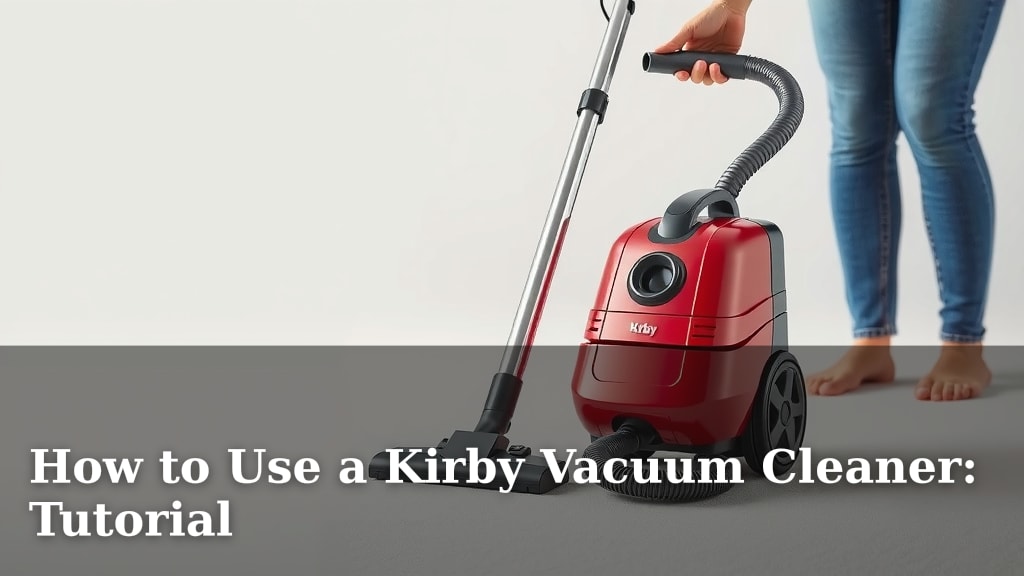
How to Use a Kirby Vacuum Cleaner: Tutorial
Using your Kirby vacuum cleaner is simpler than you might think, and getting it set up correctly ensures your home gets the deepest clean possible. The core idea is to attach the right hose and nozzle for the job. We found that understanding the basics means you can tackle any mess with confidence. Let’s get your Kirby ready to go!
Kirby vacuums are known for their versatility. Beyond just vacuuming floors, many models can be converted into tools for cleaning upholstery, dusting, and even shampooing carpets. We researched and found that a little practice with the attachments can make a big difference in how clean your home feels. It’s designed to be a powerful cleaning system for your entire house.
- Connect the correct hose and nozzle for the task.
- Ensure attachments click securely into place.
- Regular maintenance keeps your Kirby running smoothly.
- Refer to your specific model’s manual for details.
Ready to make your home sparkle? We’ve put together a straightforward guide to help you master your Kirby vacuum. Let’s walk through exactly how to use it, step by step, so you can enjoy a cleaner home with ease.
Getting Started with Your Kirby Vacuum System
Using your Kirby vacuum cleaner can seem a bit daunting at first. But once you understand the basic setup, you’ll see it’s designed to be a powerful and versatile cleaning partner. The key is connecting the right attachments for the job. We’ve found that mastering this initial step makes all the difference in achieving a truly clean home.
Understanding Your Kirby’s Components
Your Kirby vacuum isn’t just one machine; it’s a system. It consists of the main power unit, which houses the motor and filtration. Then there are various attachments, hoses, and nozzles that you’ll connect to it. We researched and found that understanding these parts helps you choose the right tool for any cleaning task.
The Main Power Unit
This is the heart of your Kirby. It contains the motor that creates suction and the brush roll that agitates carpet fibers. It also houses the filtration system, designed to trap dust and allergens. Many users report a noticeable improvement in air quality after using their Kirby regularly.
Hoses and Attachments
Kirby vacuums come with a range of hoses and attachments. These allow you to go beyond floor cleaning. You might have a hose for upholstery, a crevice tool for tight spots, or a duster brush. We found that keeping these attachments organized is key to quick cleanups.
Basic Floor Cleaning Setup
The most common use for your Kirby is vacuuming carpets and hard floors. Getting this basic setup right means you’re ready for everyday messes. We’ve broken down the steps to ensure you’re doing it effectively.
Attaching the Vacuum Hose and Floor Nozzle
First, make sure your Kirby is unplugged for safety. You’ll typically start by connecting the main vacuum hose. Look for the port on the power unit. It usually clicks securely into place. Next, you’ll attach the appropriate floor nozzle to the end of the hose. This might be a carpet nozzle or a hard floor attachment, depending on your model and floor type. We found that ensuring a snug fit prevents air leaks and maximizes suction power.
Adjusting the Brush Roll for Different Surfaces
Your Kirby’s brush roll is what lifts dirt from carpets. For different floor types, you’ll need to adjust its height. Many models have a simple lever or dial. For low-pile carpets, you’ll want the brush roll closer to the floor. For higher piles or delicate rugs, you’ll raise it. For hard floors like wood or tile, you might even disengage the brush roll entirely. Many experts suggest consulting your owner’s manual for the precise adjustments for your specific model (Kirby Company Manuals).
Carpet Cleaning
When vacuuming carpets, select a height that allows the brush roll to agitate the fibers without pushing too hard. You want to feel a slight resistance as you push and pull the vacuum. This ensures the brush is doing its job. We found that making slow, overlapping passes covers the area thoroughly.
Hard Floor Cleaning
For hard floors, you’ll want to adjust the brush roll to prevent scratching. Some models have a setting to lift the brush roll completely. Others suggest a higher setting. A hard floor attachment might also be used. We found this prevents unnecessary wear and tear on both your floors and the vacuum’s brush.
Using Attachments for Deeper Cleaning
Your Kirby is more than just a floor cleaner. With the right attachments, it becomes a versatile cleaning system for your entire home. We’ve seen how these tools can tackle tasks you might not expect.
The Upholstery Tool
This tool is perfect for cleaning furniture, car interiors, and stairs. Attach it to the hose and run it over fabric surfaces. It uses suction to pull out dirt and debris. Many find it’s a great way to refresh seating without deep cleaning.
The Crevice Tool
Got dust bunnies hiding in tight corners? The crevice tool is your best friend. It’s long and narrow, designed to reach into those hard-to-access spots. Think between sofa cushions, along baseboards, or around vents. We found it’s essential for a truly dust-free environment.
The Duster Brush
This attachment is like a feather duster, but with power! The rotating bristles help loosen dust from delicate items. Use it on lampshades, blinds, bookshelves, and even electronics. Many users report it makes dusting tasks much faster and more effective.

Maintenance for Peak Performance
To keep your Kirby running at its best, a little regular maintenance goes a long way. We found that simple steps can prevent problems and ensure a powerful clean for years to come.
Emptying the Dust Bag or Container
Check the dust bag or container regularly. If it’s getting full, empty it. A full bag reduces suction power and can strain the motor. We found that emptying it when it’s about two-thirds full is ideal.
Cleaning or Replacing Filters
Your Kirby has filters to trap fine dust. Check your manual to see if they are washable or need replacement. Dirty filters restrict airflow and reduce cleaning efficiency. Many experts suggest checking filters monthly and cleaning or replacing them as needed (EPA Guidelines for Indoor Air Quality).
Checking the Brush Roll
Periodically inspect the brush roll. Remove any tangled hair, strings, or debris. This ensures it can spin freely and effectively clean your carpets. We found that a quick check after each major cleaning session can save you trouble later.
Here’s a quick checklist to help you remember the key steps:
- Ensure your Kirby is unplugged before making any changes.
- Connect the correct hose and nozzle for your cleaning task.
- Securely attach all components so they click into place.
- Adjust the brush roll height for the surface you are cleaning.
- Empty the dust bag when it reaches two-thirds capacity.
- Check and clean/replace filters regularly.
Conclusion
You’ve now learned how to get the most out of your Kirby vacuum cleaner. From the basic floor setup to mastering its specialized attachments, you’re equipped for a deep clean throughout your home. Remember that consistent maintenance, like emptying the bag and checking filters, is key to keeping your Kirby performing its best. You can achieve a remarkably clean home by following these steps and consulting your manual for specific model details. Take these tips and make your home sparkle today!
Frequently Asked Questions
How do I know which hose or attachment to use?
We researched this, and it depends on your cleaning task. The main hose and floor nozzle are for carpets and hard floors. For furniture, use the upholstery tool. Tight spots require the crevice tool, and delicate surfaces benefit from the duster brush. Always refer to your Kirby manual for specific attachment guidance.
What if my Kirby vacuum seems to be losing suction?
Reduced suction is often due to a full dust bag or dirty filters. We found that emptying the bag when it’s about two-thirds full can restore power. Also, check your filters; cleaning or replacing them as recommended in your manual is essential for optimal airflow.
Can I use my Kirby on delicate rugs or hardwood floors?
Yes, but it’s important to adjust the brush roll height. For delicate rugs or hardwood floors, you’ll want to raise the brush roll so it doesn’t damage the surface. Some models have a specific setting for hard floors or allow you to disengage the brush roll entirely.
How often should I check the brush roll for debris?
We recommend inspecting your Kirby’s brush roll after each major cleaning session. You might find hair, thread, or other debris wrapped around it. Removing these obstructions ensures the brush can spin freely and clean effectively. This quick check prevents damage and maintains performance.
Where can I find the specific manual for my Kirby model?
The best place to find your model-specific manual is often the manufacturer’s website. You can usually find a “Support” or “Manuals” section where you can download a digital copy. If you can’t locate it online, consider reaching out to a certified Kirby dealer or customer service for assistance.



![7 Best Canister Vacuum With Motorized Head [2026]](https://neatixo.com/wp-content/uploads/2026/05/7-best-canister-vacuum-with-motorized-head-2026-featured-768x432.jpg)