Anova Precision Vacuum Sealer vs FoodSaver: Honest Comparison
When you’re standing in your kitchen wondering which vacuum sealer to invest in, you’re probably feeling a bit overwhelmed. There are so many options out there, and honestly, it can feel like choosing between two phones that look almost identical but work in completely different ways. Today, I’m going to walk you through a detailed comparison of two popular contenders: the Anova Precision Vacuum Sealer and FoodSaver. By the end, you’ll have a clear picture of which one might be the perfect fit for your needs.
Quick Overview: What Are We Looking At?
Before diving into the nitty-gritty details, let me give you a quick snapshot of what these two machines are all about. Think of a vacuum sealer as your kitchen’s best friend for food preservation. It removes air from bags, which dramatically extends the shelf life of your food and helps prevent freezer burn. Both Anova and FoodSaver have built solid reputations in this space, but they approach the job differently.
Understanding the Basics: How Vacuum Sealers Work
The Core Function
Vacuum sealers work on a simple principle: they suck out the air and seal the bag shut. This removes oxygen, which is the enemy of food freshness. It’s like shrink-wrapping your groceries but in a way that’s actually practical for your home kitchen. The less air that’s in contact with your food, the longer it stays fresh, flavorful, and nutritious.
Why Air Matters
You might wonder why we’re so concerned about air. Well, oxygen accelerates oxidation, which breaks down fats, proteins, and vitamins. It also allows bacteria and mold to thrive. By removing this air, you’re essentially pausing the clock on food deterioration. It’s not magic; it’s just smart food science.
Anova Precision Vacuum Sealer: The Newcomer’s Strength
Design and Build Quality
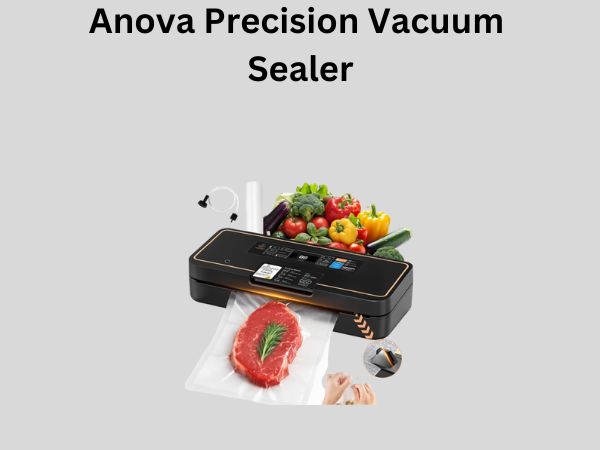
The Anova Precision Vacuum Sealer has a sleek, modern design that looks like it belongs in a contemporary kitchen. It’s compact and doesn’t take up excessive counter space, which is a genuine advantage if you’re working with limited room. The build feels sturdy without being unnecessarily heavy, and the materials seem durable enough to handle regular use.
Ease of Use
One thing I really appreciate about Anova is their focus on simplicity. The control panel is intuitive, with clearly labeled buttons and settings. You don’t need to consult the manual multiple times to figure out what’s going on. It’s refreshingly straightforward, which makes it perfect if you’re new to vacuum sealing or if you just prefer not to deal with complicated gadgets.
Sealing Performance
The Anova creates consistent, reliable seals. The heating element distributes heat evenly across the sealing strip, which means you get uniform results from one bag to the next. This consistency is crucial because a weak seal defeats the entire purpose of vacuum sealing.
Bag Compatibility
Anova works with standard vacuum sealer bags, so you’re not locked into proprietary bags that cost a fortune. This flexibility is a real money-saver over time. You can shop around for the best prices and quality without worrying about compatibility issues.
FoodSaver: The Established Veteran
Market Presence and Reputation
FoodSaver has been around for decades and has become almost synonymous with vacuum sealing. It’s the brand many people think of first when they consider this technology. That longevity means they’ve had plenty of time to refine their products and build a loyal customer base.
Model Variety
One advantage FoodSaver has is their extensive range of models. Whether you want a basic machine or something loaded with features, FoodSaver probably has an option for you. This variety means you can find something that matches your specific needs and budget more precisely.
Advanced Features
Many FoodSaver models come with features like marinating modes, which actually sounds interesting. There’s also the accessory port that lets you vacuum-seal containers, jars, and even wine bottles. These additions can be genuinely useful if you plan to do more than just seal regular bags.
Bag Options
While FoodSaver bags are widely available and reliable, some models predominantly work with FoodSaver-branded bags. This can limit your options and potentially increase costs compared to using generic bags with Anova.
Head-to-Head Comparison: Key Factors
Price Point
Let’s talk money because it matters. Anova Precision typically comes in at a lower price point than comparable FoodSaver models. If you’re budget-conscious, Anova offers solid performance without the premium price tag. FoodSaver machines, while sometimes pricier, often come with more accessories and features included in the package.
Suction Power
Suction power determines how effectively the machine removes air from your bags. Think of it like the lungs of the machine—the stronger the suction, the more air it can pull out. Both brands offer respectable suction power, but the specific measurements vary by model. In general, they’re competitive in this area, so you shouldn’t feel like either brand is drastically outperforming the other.
Speed and Efficiency
How long does it take to seal a bag? This might seem minor, but when you’re sealing dozens of bags, speed matters. Anova tends to have decent sealing times, comparable to FoodSaver. Neither machine is blazingly fast, but both finish the job in a reasonable timeframe.
Durability and Warranty
Durability is where brand longevity shows. FoodSaver’s decades in the market mean they’ve thoroughly tested their products and refined them over many generations. Anova is newer to the space, so long-term durability data isn’t as extensive. That said, initial reports suggest decent durability for Anova machines. Both brands typically offer decent warranty coverage, though specific terms vary by model.
Noise Level
Let’s be honest: vacuum sealers aren’t quiet. They produce a distinctive humming and buzzing sound. Neither Anova nor FoodSaver is going to be silent, but some users report that certain models are slightly quieter than others. If noise is a concern, check specific reviews for the exact model you’re considering.
Practical Use Cases: Which Machine Wins Where?
For Meal Prep Warriors
If you’re the type who spends Sunday afternoon prepping meals for the entire week, you need a reliable, fast machine. Both options work well here, but Anova’s simplicity and lower price make it slightly more attractive if you’re buying your first sealer. You can invest the money you save into quality vacuum bags instead.
For Sous Vide Enthusiasts
Sous vide cooking requires perfectly sealed bags. Both machines handle this brilliantly, but FoodSaver’s accessory port gives you more flexibility if you want to vacuum-seal containers or use specialty bags. Anova still works great, but you’re limited to standard bags.
For Home Gardeners
If you’re preserving vegetables and fruits from your garden, you’ll appreciate Anova’s budget-friendly approach. You’ll be sealing a lot of bags, and generic bag compatibility means lower costs. FoodSaver also works, but those branded bags add up quickly.
For Wine and Specialty Enthusiasts
Want to vacuum-seal wine bottles or custom jars? FoodSaver’s accessory port is a genuine advantage here. Anova doesn’t offer this feature, which limits its versatility in this department.
Customer Satisfaction: What Real Users Say
I always think it’s important to consider what actual customers report. FoodSaver benefits from extensive online reviews since it’s been around longer. Users consistently praise its reliability and dependability, though some complain about bag costs. Anova reviews are more recent but generally positive, with people appreciating the simpler design and lower price point. Neither brand seems to have significant quality issues that should deter you.
The Verdict on Specific Models
Budget Champion
If you’re watching your wallet, Anova Precision typically offers the best bang for your buck. You get solid performance without paying for extra features you might not need.
Feature-Rich Option
If you want maximum versatility and don’t mind spending more, certain FoodSaver models with accessory ports and multiple sealing modes might be worth the investment.
Best for Simplicity
Anova wins here without question. Their machines are straightforward and easy to learn, perfect for beginners or those who prefer no-fuss operation.
Best for Long-Term Investment
FoodSaver’s established track record and decades of refinement make it a safer long-term bet if durability is your primary concern.
Maintenance and Longevity Tips
Keep It Clean
Vacuum sealers accumulate dust and debris over time. Regular cleaning with a dry cloth keeps everything running smoothly. For the sealing strip, occasionally wipe it gently to remove any bag residue.
Avoid Overuse
While these machines are designed for regular use, giving them breaks between multiple sealing sessions helps prevent overheating and extends their lifespan.
Store Properly
Keep your sealer in a dry location away from direct sunlight. Moisture and heat are enemies of electronic appliances, so find a cool, dry spot on your counter or in a cabinet.
Common Questions Answered
Do I Really Need a Vacuum Sealer?
If you buy groceries in bulk, do meal prep, or have a garden, absolutely yes. If you live alone and use food quickly, it’s less critical but still handy.
Can I Use Generic Bags?
With Anova, yes. With some FoodSaver models, it depends on the specific machine, so check before purchasing.
How Long Does Vacuum-Sealed Food Last?
Generally three to five times longer than non-sealed food, depending on the item and storage conditions.
Conclusion
Choosing between Anova Precision Vacuum Sealer and FoodSaver ultimately comes down to your specific needs, budget, and preferences. Anova offers an excellent entry point into vacuum sealing with a lower price tag, straightforward operation, and the flexibility of using generic bags. It’s perfect if you want reliable performance without unnecessary complexity or cost.
FoodSaver, on the other hand, brings decades of market experience, a wider range of models, and additional features like accessory ports that add versatility. If you think you’ll eventually want to seal containers or specialty items, or if you prefer a brand with an established reputation for durability, FoodSaver deserves serious consideration.
The truth is that both machines will do the job well. Neither is dramatically superior in overall performance. Your best choice depends on whether you value simplicity and savings (Anova) or features and brand heritage (FoodSaver). Whichever you choose, you’re investing in a tool that will genuinely extend the life of your food and make meal prep more convenient. That’s worth celebrating.
Frequently Asked Questions
Is the Anova Precision Vacuum Sealer compatible with FoodSaver bags?
Yes, the Anova Precision works with standard vacuum sealer bags, including generic brands and many FoodSaver bags. However, some specialty FoodSaver bags designed for specific FoodSaver models might not seal optimally. Always check the bag specifications before purchasing, but generally, compatibility is excellent with Anova, giving you maximum flexibility when shopping for bags.
What is the typical lifespan of a vacuum sealer machine?
With proper care and regular maintenance, a quality vacuum sealer like either Anova or FoodSaver can last between five and ten years. The sealing strip, which is the most wear-prone component, typically remains functional for years of regular use. Some users report their machines lasting even longer if they’re not used excessively every single day.
Can vacuum sealers be used for wet foods or marinated items?
Both Anova and FoodSaver offer marinating modes on certain models that handle wet foods better. Without this feature, vacuum sealing wet items is trickier because liquids can be sucked into the machine. If you plan to seal marinated meats or similar wet foods regularly, specifically choose a model with a marinating function or wet-food setting.
Are vacuum-sealed foods safe for freezing?
Absolutely. Vacuum-sealed foods are actually superior for freezing compared to regular storage. The absence of air prevents freezer burn, and the food maintains better texture, flavor, and nutritional value. Both Anova and FoodSaver machines prepare food perfectly for long-term freezer storage, often extending shelf life to three to five times longer than conventional methods.
Which brand has better customer support and warranty coverage?
Both brands offer warranties, though specific coverage varies by model. FoodSaver’s longer market presence means they’ve developed established customer support infrastructure. Anova provides responsive support for their machines. Before purchasing, check the specific warranty terms for your chosen model, as they differ significantly between models and retailers.
“`