Air Purifier vs Vacuum Cleaner: What Does Each One Actually Do?
If you’re standing in your living room wondering whether you should invest in an air purifier or a vacuum cleaner, you’re not alone. Many people find themselves confused about these two appliances because, on the surface, they seem like they might do similar things. After all, don’t they both clean your home? Well, yes and no. The truth is, these two devices work in completely different ways and target entirely different types of particles in your home. Think of it like comparing a rain jacket to an umbrella—they both protect you from water, but they do it in fundamentally different ways.
In this guide, I’m going to walk you through exactly what each device does, how they differ, and most importantly, which one (or both!) you might actually need in your home. By the end, you’ll have a crystal-clear understanding of these two appliances and be able to make an informed decision about what’s best for your family’s health and cleanliness.
Outline of What We’ll Cover
- Understanding what air purifiers do
- What vacuum cleaners actually accomplish
- The key differences between these devices
- Which particles each targets
- When you need an air purifier
- When you need a vacuum cleaner
- Can they work together?
- Cost considerations
- Health benefits of each
- Common misconceptions
- Making your final choice
What Does an Air Purifier Actually Do?
Let me start by demystifying air purifiers because a lot of people have some pretty vague ideas about what they do. An air purifier is essentially a device that takes the air in your room and runs it through one or more types of filters. The filtered, cleaner air is then released back into the room. It’s like giving your air a shower—the device pulls contaminated air in, cleans it, and sends it back out.
How Air Purifiers Work
Most air purifiers work by drawing in air from the room around them. Inside the device, that air passes through several filtration stages. The most common type of filter you’ll find in air purifiers is called a HEPA filter, which stands for High-Efficiency Particulate Air filter. These filters are incredibly effective at trapping tiny particles that you can’t see with your naked eye.
Think about how a coffee filter works—it catches the grounds while letting the liquid through. HEPA filters work on a similar principle, except they’re catching things that are thousands of times smaller than coffee grounds. We’re talking about particles like dust, pollen, pet dander, and even some bacteria and viruses.
Types of Particles Air Purifiers Target
Air purifiers are specifically designed to clean the air you’re breathing. This means they’re going after particles that are floating around in the air, not sitting on your floor or furniture. Here’s what they typically tackle:
- Pollen from outdoor plants
- Pet dander from dogs and cats
- Dust mites and their droppings
- Mold spores
- Bacteria and viruses in the air
- Odor molecules
- Smoke particles from cooking or other sources
The Different Filter Stages in Air Purifiers
Most quality air purifiers don’t just have one type of filter. They typically have several stages, and understanding this is important because it shows you how comprehensive the cleaning process really is.
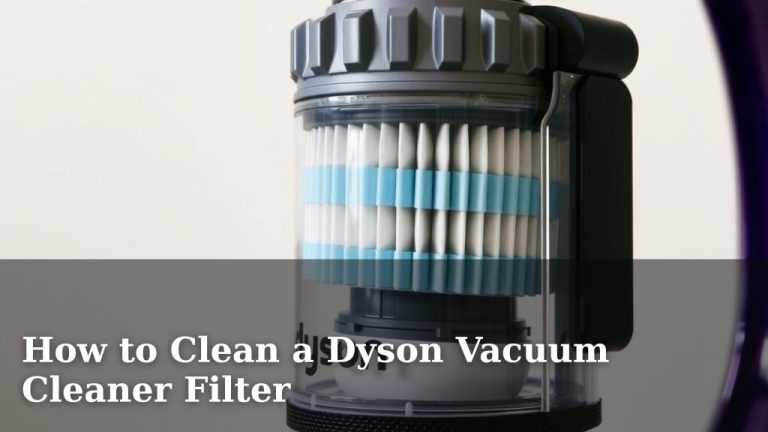
First, there’s usually a pre-filter that catches larger particles like pet hair and dust. Then comes the HEPA filter, which I mentioned earlier. Many air purifiers also include an activated carbon filter, which is particularly good at capturing odors and chemical compounds. Some advanced models even include UV-C light technology to kill bacteria and viruses, or ionizers that can help neutralize certain pollutants.
What Does a Vacuum Cleaner Actually Do?
Now let’s talk about vacuum cleaners, because understanding their specific purpose is just as important. A vacuum cleaner is, at its core, a suction device. It pulls air through a surface or across a floor, and in that process, it sucks up particles and debris into a collection bag or container. It’s a completely different approach from air purification.
How Vacuum Cleaners Work
When you turn on a vacuum cleaner, you’re creating suction. This suction pulls air, along with any loose particles, dirt, crumbs, hair, and debris, through the vacuum’s head and into its collection system. The air is then filtered through the vacuum’s filters, and either released back into the room or outside, while the solid particles stay trapped in the bag or container.
The key thing to understand is that a vacuum is physically removing dirt and debris from surfaces. It’s not cleaning the air in the room—it’s cleaning what’s on the floor, carpets, rugs, and furniture.
What Particles Do Vacuum Cleaners Target?
Vacuum cleaners are designed to pick up visible and semi-visible particles that have settled on surfaces. Here’s what they’re really good at removing:
- Dirt and sand from outside
- Hair from you and your pets
- Food crumbs and spills
- Dust that has settled on carpets and rugs
- Lint from clothing
- Dead skin cells that have fallen to the floor
- Larger dust particles
Different Types of Vacuums and What They Clean
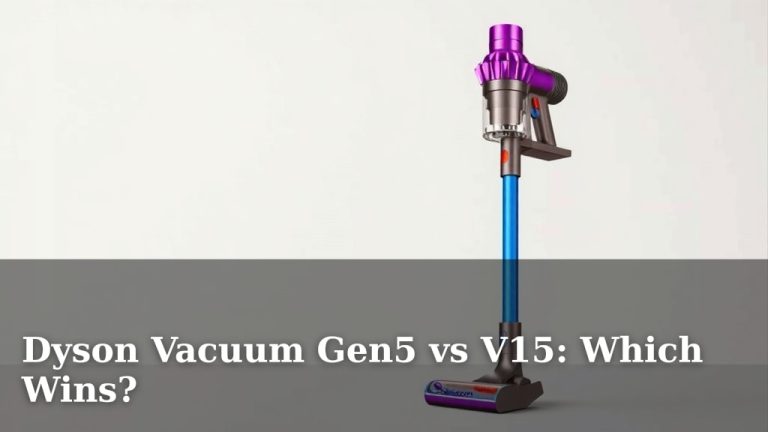
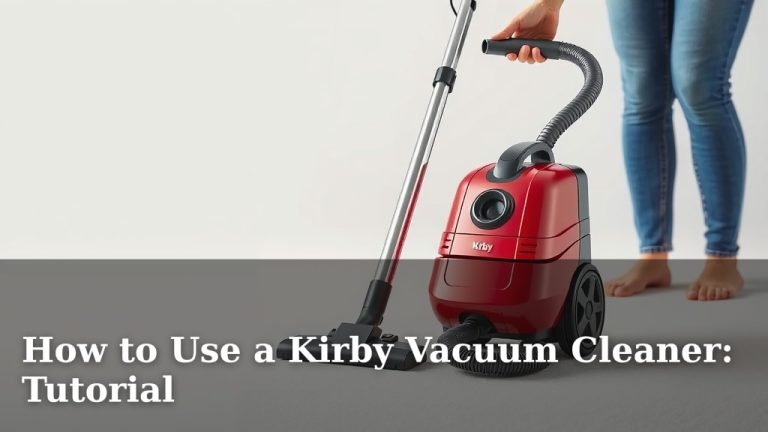
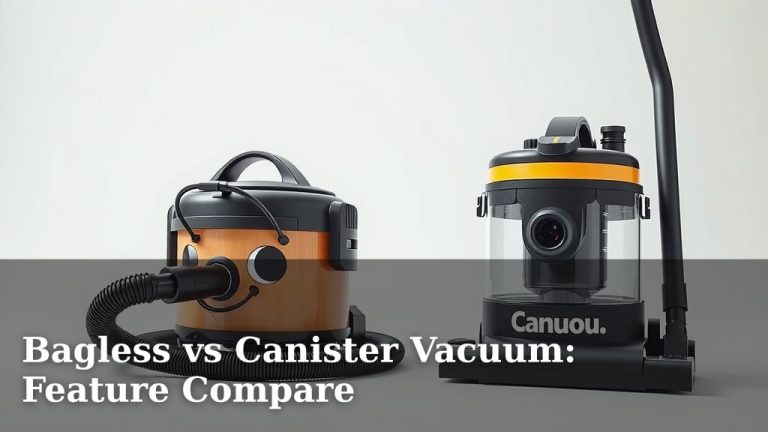
It’s worth noting that not all vacuums are the same. Upright vacuums are great for carpeted areas. Canister vacuums offer more flexibility and can handle both carpets and hard floors. Handheld vacuums are perfect for stairs, furniture, and tight spaces. Robot vacuums can automatically clean your floors on a schedule. Each type is designed to pull debris up from surfaces where it has settled, but they all work on the same basic principle of suction.
The Major Differences Between Air Purifiers and Vacuum Cleaners
Now that we’ve looked at how each device works, let’s talk about their fundamental differences. Understanding these differences is crucial because it shows you why you might actually need both devices in your home, not just one.
What They Clean
The biggest difference between these two appliances is what they clean. An air purifier cleans the air. A vacuum cleaner cleans surfaces. It’s that simple. If dirt has settled on your carpet, an air purifier won’t touch it. If dust is floating in the air, a vacuum won’t help. They’re targeting two completely different environments in your home.
Particle Size and Type
Air purifiers excel at capturing extremely small, airborne particles—things so tiny you can’t see them. Vacuum cleaners are better at picking up larger, settled debris. When you spill some cereal on your floor, you need a vacuum. When pollen is floating around in your air during spring, you need an air purifier. These devices aren’t in competition; they’re actually designed to work on different challenges.
Coverage Area
Here’s another key difference. A vacuum cleaner physically cleans everywhere you take it. You can vacuum every square inch of your home, floor by floor, room by room. An air purifier, on the other hand, purifies the air in the room where it’s located and, depending on its power and the room size, might not effectively clean air in distant rooms. If you want to purify air throughout your entire home, you might need multiple air purifiers.
Maintenance Requirements
Vacuum cleaners require regular emptying of their dust bins or bags. Air purifiers require regular filter replacements, which can be costly over time but happen less frequently than emptying a vacuum. Both require maintenance, but in different ways.
When Should You Use an Air Purifier?
So when is an air purifier actually the right choice for your home? Let me paint you some scenarios where an air purifier becomes invaluable.
Allergies and Respiratory Issues
If anyone in your household suffers from allergies, asthma, or other respiratory conditions, an air purifier can be a game-changer. During high pollen seasons, having an air purifier running in the bedroom at night can significantly improve sleep quality and reduce allergy symptoms. The device continuously removes pollen, dust mites, and other allergens from the air you’re breathing.
Pet Owners Who Struggle With Dander
Pet dander is incredibly tiny and stays airborne for extended periods. If you love your furry friends but hate the allergic reactions they cause, an air purifier can help manage the pet dander in your air. Combined with regular vacuuming, this creates a much healthier environment for allergy sufferers.
Living in an Area With Poor Air Quality
If you live in a city with high pollution levels or near industrial areas, smoke sources, or major traffic congestion, an air purifier can significantly improve your indoor air quality. You want the air inside your home to be cleaner than the air outside, and an air purifier helps achieve that.
Smoke-Related Odors and Particles
Whether from cooking, secondhand smoke, or wildfire smoke, air purifiers with activated carbon filters are excellent at removing smoke particles and the odors associated with them from your indoor air.
When Should You Use a Vacuum Cleaner?
Now let’s talk about when a vacuum cleaner is absolutely essential.
Maintaining Clean Floors and Surfaces
A vacuum is non-negotiable if you want clean floors. This is especially true if you have carpets, which trap dirt, dust, and debris far more than hard floors do. Regular vacuuming removes these settled particles and keeps your home looking and feeling clean.
Pet Hair Management
If you have pets, a vacuum is essential for managing the hair they shed. Pet hair tends to accumulate on floors, furniture, and in corners. An air purifier won’t help with this; you need the physical suction of a vacuum to remove pet hair from surfaces.
Dealing With Spills and Debris
When you spill something on your carpet or have scattered debris on your floor, you need a vacuum. An air purifier can’t help with these situations because they require physical removal of larger particles from the surface.
General Home Hygiene
Regular vacuuming is part of basic home hygiene. It removes dead skin cells, dust, and other debris that accumulate on floors, creating a cleaner, more hygienic living environment.
Can Air Purifiers and Vacuum Cleaners Work Together?
Here’s the good news: these two devices aren’t at odds with each other. In fact, they work beautifully together as complementary tools for a cleaner, healthier home.
Creating a Comprehensive Cleaning Strategy
The most effective approach to home cleanliness involves both devices. Use your vacuum to regularly clean surfaces and remove settled debris, while using an air purifier to keep the air clean and fresh. Think of it this way: the vacuum handles the ground-level contamination, while the air purifier handles the airborne contamination. Together, they create a much healthier living environment than either device could achieve alone.
The Synergistic Effect
When you regularly vacuum, you remove particles from your floors before they can become airborne again. This actually reduces the burden on your air purifier. Meanwhile, the air purifier removes particles from the air, reducing the amount of dust that settles back onto your floors. It’s a complementary relationship that actually makes both devices more effective.
Cost Considerations: Air Purifier vs Vacuum Cleaner
Let’s talk money because investment is definitely a factor in your decision.
Initial Purchase Cost
Decent vacuum cleaners typically range from $200 to $800 for quality models, while air purifiers can range from $100 to $500 for effective units. Robot vacuums are more expensive, ranging from $300 to $1,000 or more. So initial costs can vary widely for both.
Ongoing Maintenance Costs
Here’s where costs diverge. Vacuum cleaners require occasional maintenance like replacing belts or brushes, but nothing major. Air purifiers, however, require regular filter replacements, typically every 6 to 12 months depending on usage and air quality. These filters can cost $30 to $100 each, which adds up over time.
Long-Term Value
Both devices provide long-term health and quality-of-life benefits. A vacuum keeps your home physically clean and hygienic. An air purifier improves the air you breathe, which has significant health implications, especially for people with respiratory issues. From a value perspective, both are worthwhile investments, but the decision comes down to your specific needs and circumstances.
Health Benefits: What Each Device Offers
Beyond just keeping things clean, both devices offer distinct health benefits.
Health Benefits of Air Purifiers
Air purifiers can improve respiratory health by removing allergens, pollutants, and irritants from the air. People with asthma often report better breathing and fewer symptoms when using air purifiers. They can also reduce the spread of airborne viruses and bacteria, which became particularly relevant in recent years. Additionally, removing odors and smoke from the air creates a more pleasant living environment that can improve mood and overall well-being.
Health Benefits of Vacuum Cleaners
Regular vacuuming reduces dust mite populations and their droppings, which are major allergens. It removes dirt and bacteria from your floors, creating a more hygienic environment. For families with small children or pets, regular vacuuming is crucial for reducing exposure to pathogens and allergens that settle on surfaces. It also reduces the visual dirt and clutter, which has psychological benefits for many people.
Common Misconceptions About These Devices
I want to clear up some myths I’ve encountered because they often lead people to make the wrong purchasing decisions.
Myth 1: Air Purifiers Can Replace Vacuums
This is false. An air purifier, no matter how powerful, cannot remove settled dirt and debris from your floors. You still need a vacuum to physically clean your surfaces.
Myth 2: Vacuums Clean the Air
This is partially true but misleading. While vacuums have filters that do trap some particles, they’re not designed to purify air like an air purifier is. Many vacuum filters actually release particles back into the air during the cleaning process.
Myth 3: One Air Purifier Can Clean Your Whole House
This depends on the purifier’s power and your home’s size. A small purifier might only effectively clean a single room. For a whole-house solution, you either need a whole-house air filtration system integrated into your HVAC system, or multiple air purifiers.
Myth 4: Expensive Air Purifiers Are Always Better
Price doesn’t always correlate with effectiveness. What matters is the Clean Air Delivery Rate (CADR), the size of the area it can effectively clean, and the type of filters it