Air Compressor vs Vacuum Pump: Functions, Uses & Differences
Have you ever wondered why some tools seem to push air while others pull it? If you’ve been standing in a hardware store, scratching your head between an air compressor and a vacuum pump, you’re not alone. These two machines might look somewhat similar to the untrained eye, but they’re actually doing completely opposite jobs. Let me walk you through everything you need to know about these powerful tools.
Understanding the Basics: What’s the Real Difference?
At their core, an air compressor and a vacuum pump are fundamentally different machines working on opposite principles. Think of it like this: if an air compressor is like someone blowing air into a balloon, then a vacuum pump is like someone sucking the air out of it. One increases pressure, while the other decreases it. This simple distinction shapes everything about how these tools work and what you can do with them.
How an Air Compressor Works
An air compressor is essentially a machine that takes in ambient air and compresses it into a smaller space, which increases its pressure. Inside the machine, there’s a motor that drives a piston or rotary mechanism that squeezes air. As the air gets compressed, it’s stored in a tank under pressure. When you need that pressurized air, you release it through a valve, and boom—you’ve got a powerful stream of air that can do serious work.
How a Vacuum Pump Works
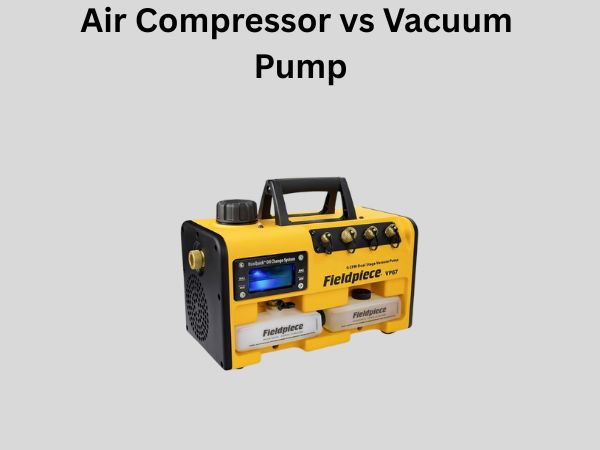
A vacuum pump does the opposite. Instead of squeezing air in, it removes air from a space or container, creating a partial vacuum or negative pressure. Imagine you’re using a straw to drink a beverage—you’re essentially creating a vacuum in your mouth that pulls the liquid up through the straw. A vacuum pump operates on the same principle but with air, pulling it away from a designated area.
Key Functional Differences Between the Two
Pressure Direction and Operation
The most obvious difference is the direction of air flow. An air compressor works by increasing pressure above atmospheric levels, which pushes air outward. A vacuum pump works by decreasing pressure below atmospheric levels, which pulls air inward. This fundamental difference determines what tasks each tool can handle efficiently.
Air Compressor Pressure Range
Air compressors typically operate in the positive pressure range, often reaching anywhere from 90 to 200 PSI (pounds per square inch) for standard home and workshop models. Some industrial versions can go even higher, exceeding 300 PSI.
Vacuum Pump Pressure Range
Vacuum pumps operate in the negative pressure range, typically measured in microns of mercury or millibars. Most vacuum pumps create pressures well below atmospheric levels, sometimes reaching near-perfect vacuum conditions in specialized applications.
Practical Applications: Where You’ll Use Each Tool
When You Need an Air Compressor
Air compressors are incredibly versatile workhorses. Here are the main applications where they shine:
- Powering pneumatic tools like nail guns, impact wrenches, and sanders
- Inflating tires, basketballs, and other air-filled items
- Spray painting and applying coatings
- Running air-powered drills and grinders
- Cleaning hard-to-reach areas with compressed air
- Operating air brakes in vehicles
- Powering pneumatic actuators and control systems
When You Need a Vacuum Pump
Vacuum pumps serve a different but equally important set of purposes. You’ll need one for:
- Degassing liquids and removing dissolved air from resins
- Evacuating refrigeration and air conditioning systems
- Creating vacuum-sealed environments for laboratory work
- Removing moisture from oils and hydraulic fluids
- Medical and dental applications requiring suction
- Industrial food packaging and preservation
- Maintaining HVAC systems and checking for leaks
- Scientific research requiring controlled vacuum environments
Power and Performance Characteristics
Motor Types and Drive Systems
Both machines use motors to create their respective effects, but they’re often configured differently. Air compressors commonly use electric motors, gas engines, or diesel engines, depending on the intended use and portability needs. Vacuum pumps typically rely on electric motors, though larger industrial models might use alternative power sources.
Efficiency and Output
An air compressor’s effectiveness is measured in CFM (cubic feet per minute), which tells you how much air volume the compressor can deliver at a given pressure. A vacuum pump’s performance is measured differently—usually in terms of the vacuum level it can achieve and how quickly it can remove air from a space.
Size, Portability, and Storage
Air Compressor Varieties
Air compressors come in nearly every size imaginable. You’ve got tiny portable models that fit in your car trunk, designed for emergency tire inflation. Then there are medium-sized workshop compressors that sit in a garage or basement, providing steady power for multiple tools. Finally, there are massive stationary industrial models that are permanently installed in factories and manufacturing plants. The tank size varies considerably, ranging from just a few gallons to hundreds of gallons for industrial applications.
Vacuum Pump Sizing
Vacuum pumps tend to be more specialized equipment. You’ll typically find smaller portable models for specific jobs like HVAC work or degassing applications, and larger permanent installations for industrial processes. They don’t have the same “one size fits all” variety that air compressors offer, so choosing the right one for your needs is pretty important.
Maintenance and Operating Costs
Air Compressor Maintenance
Maintaining an air compressor involves regular attention to a few key areas. You’ll need to drain the moisture that collects in the tank—this is crucial because water can damage tools and cause rust inside the tank. You’ll also want to check and replace filters regularly, keep the motor lubricated, and inspect the hoses for wear and tear. The good news is that air compressors are fairly straightforward to maintain, and replacement parts are readily available and affordable.
Vacuum Pump Maintenance
Vacuum pump maintenance can be a bit more technical. These machines require regular oil changes in many models, as the oil serves both as a lubricant and a sealant. You’ll need to monitor vacuum levels and check for any loss of vacuum, which could indicate leaks. Specialized vacuum pump oils are essential—you can’t just use any old oil in these machines. Because vacuum pumps operate in more demanding conditions and are often used in sensitive applications, maintenance requirements can be more stringent.
Cost Considerations
Air Compressor Investment
Entry-level air compressors are remarkably affordable, with decent portable models available for under two hundred dollars. Mid-range workshop compressors typically run between five hundred and two thousand dollars. Heavy-duty industrial models obviously cost significantly more. Because air compressors are so popular and mass-produced, you’ll find competitive pricing and lots of options at different price points.
Vacuum Pump Investment
Vacuum pumps are generally more expensive than comparable air compressors because they’re more specialized equipment. A basic vacuum pump might start around three to four hundred dollars, while more capable models can easily exceed a thousand dollars. Industrial-grade vacuum pumps can cost several thousand dollars or more. The specialized nature of these tools means fewer manufacturers and less price competition.
Can You Use One as a Substitute for the Other?
Why Substitution Doesn’t Work
Even though both machines deal with air movement, they simply cannot substitute for one another. Their opposite operating principles mean they’re designed for completely different tasks. Using an air compressor when you need a vacuum pump, or vice versa, won’t just produce poor results—it might actually damage the equipment or the application you’re trying to work on. It’s like asking a hammer to saw a board; you might force it, but you’ll get terrible results and possibly break something in the process.
Safety Considerations for Both Tools
Air Compressor Safety
Air compressors store pressurized air, which means they contain stored energy. If something goes wrong, that pressure can release suddenly and violently. You should always wear eye protection when using pressurized air, never direct it at your skin or body, and ensure pressure relief valves are in good working order. Regularly check hoses for damage, and never exceed the recommended pressure ratings.
Vacuum Pump Safety
Vacuum pumps have their own set of safety concerns. Because they create low-pressure environments, improperly designed or maintained equipment can implode rather than explode, which sounds less dramatic but can be equally dangerous. Make sure vacuum equipment is rated for the applications you’re using it for, and never assume a container is safe to evacuate without proper engineering assessment.
Choosing the Right Tool for Your Job
Assessment Checklist
When you’re trying to decide between an air compressor and a vacuum pump, ask yourself these questions:
- Do I need to deliver pressurized air to power tools or inflate objects?
- Do I need to remove air or create a vacuum in a space?
- What’s my budget for this equipment?
- How frequently will I be using this tool?
- Do I need portability, or is a stationary setup acceptable?
- What’s the specific application I’m trying to accomplish?
- Do I have space to store the equipment?
- Will I need support and replacement parts easily accessible?
Industry Standards and Recommendations
Different industries have established best practices for selecting between these tools. The automotive industry, for instance, relies heavily on air compressors for service shops but uses vacuum pumps specifically for air conditioning and refrigeration work. The HVAC industry uses vacuum pumps almost exclusively for their core work. Manufacturing facilities often have both, deployed where their specific advantages are needed.
Future Developments and Innovations
Advances in Air Compressor Technology
Modern air compressors are becoming more efficient and quieter. Variable frequency drives allow compressors to adjust their output based on demand, saving energy. Oil-free designs are becoming more common for applications where oil contamination is a concern. Battery-powered portable models are emerging as a real option for cordless convenience.
Advances in Vacuum Pump Technology
Vacuum pump technology is also evolving. More efficient designs are reducing power consumption, while specialized pumps are being developed for specific applications like semiconductor manufacturing. Dry pumps that don’t require oil are becoming more prevalent in clean-room environments.
Conclusion
The distinction between air compressors and vacuum pumps is fundamental and important. While they might seem superficially similar—both are machines that move air—they operate on completely opposite principles and serve entirely different purposes. Air compressors push pressurized air outward to power tools, inflate objects, and deliver force where it’s needed. Vacuum pumps pull air inward to create low-pressure environments for degassing, evacuation, and specialized industrial processes. Understanding these differences helps you select the right tool for your specific job, avoid costly mistakes, and work safely and efficiently. Whether you’re a homeowner tackling a DIY project, a professional tradesperson, or an industrial operator, knowing when and how to use each tool is crucial for success. The next time you’re facing a decision between these two machines, remember that they’re not interchangeable—each has its own domain where it excels.
Frequently Asked Questions
Can I use an air compressor to create a vacuum?
No, an air compressor cannot create a vacuum. Air compressors are designed to increase pressure, not decrease it. While you might reverse the flow direction through some components, you won’t achieve the vacuum conditions needed for applications like degassing or HVAC evacuation. A true vacuum pump is specifically engineered to remove air and create low-pressure environments, which is fundamentally different from what an air compressor can do.
What’s the main advantage of an air compressor over a vacuum pump?
Air compressors have several key advantages for their intended applications. They’re generally more affordable, more widely available, easier to maintain, and much more versatile across different industries and applications. You can power numerous pneumatic tools, inflate objects, and deliver cleaning force with a single air compressor. This versatility makes them incredibly popular for both professional and home use.
How often should I service my air compressor versus a vacuum pump?
Air compressors generally require less frequent servicing compared to vacuum pumps. You should drain moisture from an air compressor tank regularly (weekly for heavy use, monthly for light use) and check filters periodically. Vacuum pumps typically need more frequent oil changes and vacuum level monitoring, especially if used regularly. Always consult your equipment’s manual for specific maintenance intervals.
Are there any applications where both tools are needed?
Yes, absolutely. In HVAC systems, for example, technicians use both tools for different stages of work. They use vacuum pumps to evacuate air conditioning systems before recharging them, and they use air compressors to blow out lines and deliver pressurized refrigerant. Similarly, in manufacturing facilities, both tools might be employed in different departments or stages of production.
What size compressor or pump do I need for my home workshop?
For a home workshop, a mid-sized air compressor in the 4 to 6 CFM range at 90 PSI is typically sufficient for most pneumatic tools. However, if you only occasionally need vacuum capabilities, you might rent equipment as needed rather than investing in a vacuum pump. Consider your specific projects, the tools you’ll be using, available storage space, and your budget when making this decision.
“`