Anti-Siphon vs Vacuum Breaker: Are They the Same?
When you’re dealing with plumbing systems, especially if you’re a homeowner trying to understand your outdoor faucets or irrigation setup, you’ve probably heard the terms anti-siphon and vacuum breaker thrown around. But here’s the thing—most people use these terms interchangeably without really knowing if they’re talking about the exact same device or if there are actual differences between them. So let me break this down for you in a way that actually makes sense.
Think of it like this: are all rectangles squares, or are all squares rectangles? The relationship between anti-siphon valves and vacuum breakers is similarly nuanced. By the end of this article, you’ll understand not just what they are, but whether they’re truly the same thing or if subtle differences matter for your specific plumbing situation.
Understanding the Basic Concept: What is Siphoning?
Before we can even begin to compare anti-siphon devices with vacuum breakers, we need to understand the problem they’re both trying to solve. What exactly is siphoning, and why should you care about it?
Imagine you have a garden hose connected to your outdoor faucet, and the end of that hose is submerged in a bucket of water or pesticide solution. If the pressure in your home’s water system suddenly drops—say, a fire hydrant opens up down the street—something unexpected can happen. That water or solution in the hose can actually flow backward into your home’s clean water supply. This reverse flow is called siphoning, and it’s a serious health and safety concern.
Why Siphoning is a Real Problem
You might be wondering why this matters so much. Well, imagine if contaminated water from your garden hose flowed back into your drinking water. That’s not just inconvenient—it’s potentially dangerous. The Environmental Protection Agency takes this seriously, which is why building codes across the country require protection against backflow and siphoning.
Siphoning can introduce:
- Pesticides and chemicals from garden treatments
- Bacteria and pathogens from standing water
- Fertilizers and soil contaminants
- Any substance that was in contact with the hose
What Exactly is an Anti-Siphon Valve?
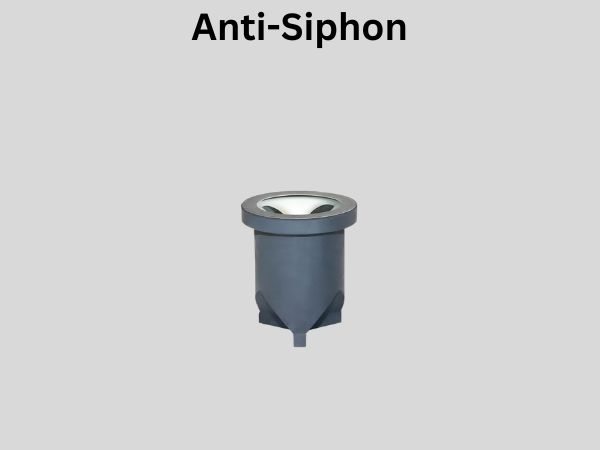
An anti-siphon valve is a device designed specifically to prevent water from flowing backward through a water line. It’s like a one-way door for your water—it lets water flow out to your hose or sprinkler system, but it absolutely refuses to let anything flow back in the opposite direction.
How Anti-Siphon Valves Work
Most anti-siphon valves operate using a float mechanism. Inside the valve, there’s a small floating device. When water flows forward through the valve in the normal direction, everything works as expected. However, when water tries to flow backward (siphoning), that float rises and blocks the reverse flow, sealing the valve shut. It’s simple, elegant, and effective.
The valve essentially says “You shall not pass” to any water trying to come back toward your home’s main supply. This is why anti-siphon valves are so commonly installed on outdoor faucets, irrigation systems, and lawn sprinkler setups.
Key Features of Anti-Siphon Valves
- Installed directly on the faucet or at the point where water exits your home
- Float-based mechanism that responds to pressure changes
- Prevents backflow in both directions simultaneously
- Generally affordable and easy to install
- Requires periodic maintenance to ensure the float moves freely
Understanding Vacuum Breakers
Now let’s talk about vacuum breakers. A vacuum breaker is another device designed to prevent siphoning, but it works in a slightly different way. Instead of using a float mechanism, vacuum breakers work by introducing air into the line when a vacuum condition develops.
How Vacuum Breakers Prevent Siphoning
Here’s where things get interesting. When a vacuum breaker detects that a vacuum is forming in the water line—which is what creates the siphoning action—it opens a small air vent. This air vent allows atmospheric air to enter the line, which breaks the vacuum and stops the siphoning process. Think of it like letting air into a sealed container to prevent a suction effect.
The principle is simple but clever: you can’t siphon water if there’s air breaking the seal. By automatically venting air at just the right moment, the vacuum breaker prevents the entire siphoning mechanism from working in the first place.
Types of Vacuum Breakers
There are actually several types of vacuum breakers, and understanding the differences can be important:
- Atmospheric Vacuum Breakers: These open to atmosphere when a vacuum forms, allowing air to enter the line
- Dual-Check Vacuum Breakers: These combine backflow prevention with vacuum breaking for double protection
- Pressure Vacuum Breakers: These work under pressure conditions and are often used in more complex irrigation systems
Anti-Siphon vs Vacuum Breaker: The Core Differences
Now that we understand how each device works, let’s compare them directly. Are they really the same thing?
Operating Mechanism
The most fundamental difference is how they work. Anti-siphon valves use a float that physically blocks reverse flow. Vacuum breakers, on the other hand, work by introducing air to break the vacuum condition. One blocks the water; the other breaks the vacuum that causes siphoning.
Installation Location
Anti-siphon valves are typically installed at the point where water exits your home—right on the faucet or at the source. Vacuum breakers can be installed in various locations throughout the system, though their placement is important for effectiveness.
Protection Scope
Anti-siphon valves prevent backflow in general, which means they protect against various scenarios where water might flow backward. Vacuum breakers specifically prevent siphoning by breaking the vacuum, but they might not protect against all types of backflow situations.
Maintenance Requirements
Anti-siphon valves with floats need occasional maintenance to ensure the float mechanism moves freely. Vacuum breakers, particularly atmospheric types, generally require less maintenance because they have fewer moving parts that can get stuck or corroded.
Are They Really the Same Thing?
Here’s the honest answer: anti-siphon devices and vacuum breakers are related but not identical. They’re both solutions to the siphoning problem, but they approach it differently. In fact, many modern anti-siphon valves actually incorporate vacuum breaker technology as well, making them hybrid devices that offer both types of protection.
The confusion arises because in casual conversation, people often use the terms interchangeably. Many hardware store employees will tell you they’re the same thing. However, technically speaking, they’re different mechanisms designed to solve the same problem.
When Terminology Matters
For most homeowners dealing with a simple outdoor faucet or basic garden setup, the distinction doesn’t really matter. Either device will protect you from siphoning issues. However, in more complex plumbing scenarios or professional installations, the specific type of protection you need might influence which device you choose.
Which Should You Choose for Your Home?
If you’re standing in a store or scrolling online trying to figure out what you need, here’s my advice: focus on your specific situation rather than getting hung up on the terminology.
For Outdoor Faucets
For a standard outdoor faucet or garden hose situation, an anti-siphon faucet (which is what you’ll find labeled at hardware stores) is typically your best bet. These are affordable, easy to install, and commonly available. They provide reliable protection for typical home use.
For Irrigation Systems
If you have a more complex irrigation or sprinkler system, you might benefit from a vacuum breaker, particularly a pressure vacuum breaker designed for those applications. These are engineered to handle the specific conditions of irrigation systems and provide consistent protection even with frequent on-and-off cycling.
For Maximum Protection
If you want to be absolutely certain you’re covered, look for devices that explicitly mention they provide both anti-siphon and vacuum breaker protection. Many modern devices do both simultaneously, giving you multiple layers of defense against backflow problems.
Installation and Maintenance Considerations
Before you buy anything, you should understand what’s involved in getting these devices installed and keeping them working properly.
Installing an Anti-Siphon Valve
Most anti-siphon faucets come as complete units that simply replace your existing outdoor faucet. The installation is straightforward—you turn off the water supply to that faucet, unscrew the old one, and screw the new anti-siphon faucet in its place. No special tools required for most installations.
Installing a Vacuum Breaker
Vacuum breaker installation depends on the type. Atmospheric vacuum breakers are simple threaded devices that screw onto a faucet or inline connection. Pressure vacuum breakers in irrigation systems might require more involved installation by a professional.
Maintenance Tips
Regardless of which device you choose, keep these maintenance tips in mind:
- Check your device periodically for any visible damage or corrosion
- Make sure anti-siphon float mechanisms move freely without sticking
- Ensure vacuum breaker vents aren’t clogged with debris or mineral deposits
- In cold climates, drain hoses and disconnect them in winter to prevent freeze damage
- Replace washers or seals if you notice water leaking from the device
Building Codes and Regulations
Here’s something important that many homeowners don’t realize: your local building code might actually specify which type of backflow prevention you need. This varies by location, so it’s worth checking.
Why Codes Exist
Building codes around siphoning and backflow prevention exist to protect public health. Contaminated water in the municipal supply affects everyone, so regulations require homeowners to take these precautions seriously.
What You Should Check
Before purchasing any device, contact your local building department or plumbing inspector to ask about specific requirements for outdoor faucets or irrigation systems in your area. Some jurisdictions prefer anti-siphon valves, others specify certain types of vacuum breakers, and some accept either option as long as you have some form of protection.
Cost Comparison: What Will You Spend?
Let’s be practical: you probably want to know what these devices cost.
Anti-Siphon Faucets
A complete anti-siphon faucet typically costs between twenty and seventy dollars, depending on quality and features. You’re looking at a relatively affordable upgrade that works reliably.
Vacuum Breakers
Atmospheric vacuum breakers that attach to existing faucets usually cost between five and thirty dollars. Pressure vacuum breakers for irrigation systems can be more expensive, ranging from fifty to two hundred dollars depending on specifications.
The Bottom Line on Cost
Either option is quite affordable compared to the potential cost of contaminating your home’s water supply or dealing with health issues related to backflow. Think of it as insurance—a small investment that prevents a major problem.
Common Misconceptions About These Devices
Let me clear up some confusion I’ve seen people have about anti-siphon valves and vacuum breakers.
Misconception One: They Reduce Water Pressure
Some folks worry that adding these protective devices will reduce their water pressure. In reality, both anti-siphon valves and vacuum breakers have minimal impact on water pressure under normal operating conditions. You might notice a slight difference only if the device is clogged or defective.
Misconception Two: You Only Need One or the Other
Some people think having an anti-siphon valve means you don’t need a vacuum breaker, or vice versa. While true that either provides protection against siphoning, some codes require specific types for certain applications. It’s worth checking your local requirements.
Misconception Three: They Never Need Maintenance
Another common mistake is assuming these devices are “set it and forget it.” While they’re relatively maintenance-free, checking them periodically ensures they’re functioning properly. Mineral buildup, debris, and weather can affect performance over time.
Real-World Scenarios: When These Devices Protect You
To really understand why these devices matter, let’s look at some real-world situations where they kick in and save the day.
The Garden Pesticide Scenario
You’re spraying your roses with a hose-end pesticide applicator. Without protection, if your home’s water pressure suddenly drops, that pesticide solution could be pulled back into your home’s drinking water supply. Your anti-siphon valve or vacuum breaker prevents this from happening.
The Burst Water Main Situation
A water main breaks several blocks away from your house, causing a sudden pressure drop in your area’s water system. Again, without protection, this could create the perfect conditions for siphoning contamination backward through your outdoor faucet. These devices protect against exactly this type of emergency.
The Sprinkler System Scenario
You have an underground irrigation system. If there’s a leak or break in the line, combined with a pressure drop, siphoning could occur. A properly installed vacuum breaker on your irrigation system prevents contaminants from being drawn back toward your home’s main supply.
Conclusion
So, are anti-siphon valves and vacuum breakers the same thing? The short answer is no, but they’re closely related and both solve the same fundamental problem. Anti-siphon valves work by using a float mechanism to block reverse water flow, while vacuum breakers prevent siphoning by introducing air to break the vacuum that causes the problem. Both are effective, both are affordable, and both are important for protecting your home’s water supply.
For most homeowners, the practical difference between these devices matters less than the fact that you have some form of siphoning protection in place. Whether you choose an anti-siphon faucet, a vacuum breaker, or a hybrid device that does both, you’re making a smart decision that protects your family’s health and complies with building codes.
Before you purchase anything, check your local building requirements and consider your specific situation. Then choose the option that makes the most sense for your setup. Your future self will thank you when you know that your water supply is protected against the risks of siphoning and backflow contamination.