Anti-Siphon Valve vs Vacuum Breaker: Plumbing Differences Explained
When you’re dealing with your home’s plumbing system, you’ve probably heard terms like “anti-siphon valve” and “vacuum breaker” thrown around. If you’re like most homeowners, you might think they’re the same thing or scratch your head wondering what the difference actually is. Well, I’m here to tell you that understanding the distinction between these two devices could save you money, protect your home’s water quality, and keep your plumbing system running smoothly.
Think of your plumbing system as your home’s circulatory system. Just as your heart needs valves to keep blood flowing in the right direction, your plumbing needs devices that prevent water from flowing backward. That’s where anti-siphon valves and vacuum breakers come in. Let me break down exactly what these devices do and how they differ.
The Outline of Our Plumbing Journey
Before we dive deep into the technical details, let me give you a roadmap of what we’ll explore together:
- Understanding the basics of siphoning and how it threatens your home
- What an anti-siphon valve actually does
- The role of a vacuum breaker in your plumbing
- Key differences between these two protective devices
- When and where to use each device
- Installation considerations for both options
- Maintenance tips to keep them functioning properly
- Common mistakes homeowners make
- Code requirements and regulations
- Cost comparisons and value analysis
Understanding Siphoning: The Hidden Threat in Your Plumbing
Let me start with the foundation. What exactly is siphoning, and why should you care about it? Siphoning is a fascinating phenomenon that occurs when water flows upward through a tube or pipe, defying gravity, and then flows downward on the other side of a higher point. It happens because of pressure differences and the way water molecules bond with each other.
Imagine you’re siphoning gas from a car tank with a hose. You create a vacuum, and suddenly, the liquid flows through the hose without any pump. That’s siphoning in action. Now, here’s the problem: if this happens in your plumbing, contaminated water can flow backward into your clean water supply. This is called backflow, and it’s a serious health hazard.
Why Backflow Is a Real Problem
Backflow can introduce bacteria, chemicals, pesticides, and other contaminants into your drinking water. Picture this: you’ve connected a garden hose to your outdoor faucet to water your plants. Someone decides to use that hose to mix a pesticide solution. Now, if a sudden drop in water pressure occurs, that pesticide-laden water could siphon back into your home’s main water supply. Scary, right?
This isn’t just about unpleasant taste or odor. We’re talking about potential health risks to you and your family. That’s precisely why plumbing codes require protective devices at specific points throughout your home’s water system.
What Is an Anti-Siphon Valve? A Complete Overview
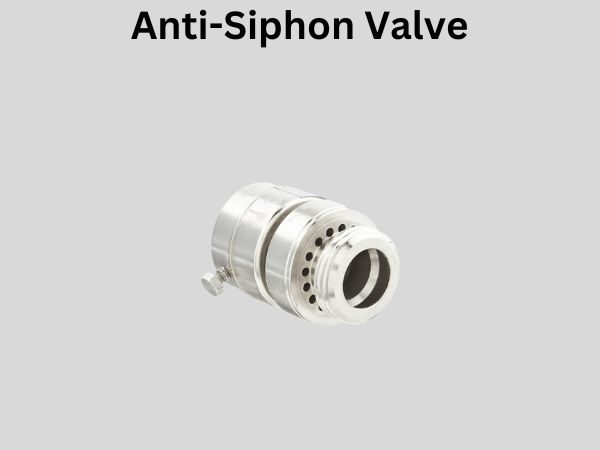
An anti-siphon valve is a mechanical device designed to prevent backflow by allowing air into the line. Think of it as a little guardian that says, “Not on my watch!” whenever water tries to flow backward.
How Anti-Siphon Valves Work
The mechanism is beautifully simple. Inside an anti-siphon valve, there’s a check valve and an air inlet. When water flows in the normal direction (forward), the check valve opens, and water moves through without any problem. The air inlet remains sealed during normal operation.
However, when pressure drops or water tries to flow backward, the check valve snaps shut. But here’s the clever part: the air inlet simultaneously opens, allowing atmospheric air to enter the line. This air breaks the siphon effect. Without a complete vacuum, water cannot siphon backward. It’s like having a security guard at a door who lets people through normally but stops them if they try to sneak out the wrong way.
Common Applications for Anti-Siphon Valves
You’ll find anti-siphon valves in several places throughout a typical home:
- Outdoor faucets and hose bibs
- Below toilet tanks as part of the supply line
- Irrigation system connections
- Laboratory and medical equipment lines
- Industrial cooling systems
- Fish tank or aquarium water lines
Understanding Vacuum Breakers: The Alternative Protection
Now, let’s talk about vacuum breakers. While they serve a similar protective purpose, they work a bit differently from anti-siphon valves. A vacuum breaker is designed to admit air into a line to prevent a vacuum from forming, which is the root cause of siphoning.
The Mechanics Behind Vacuum Breakers
Vacuum breakers operate on a simpler principle than anti-siphon valves. They’re essentially one-way air admission devices. When normal water flow occurs, the internal float or spring keeps the air inlet closed. However, when a vacuum begins to form—which is what would trigger backflow—the float or spring responds, and the air inlet opens automatically.
This allows air to enter the line from the atmosphere, breaking the vacuum. With no vacuum present, siphoning cannot occur. It’s like having a pressure relief valve that specifically addresses the pressure problem that causes siphoning.
Where Vacuum Breakers Get Installed
Vacuum breakers are commonly found in:
- Outdoor spigots and faucets
- Shower systems and mixing valves
- Dishwasher supply lines
- Washing machine connections
- Boiler systems
- Drinking fountains
- RV and boat water systems
Side-by-Side Comparison: Anti-Siphon Valve vs Vacuum Breaker
Now that you understand how each device works, let’s compare them directly. This will help you understand which one might be right for your situation.
Design and Structure Differences
Anti-siphon valves typically contain a check valve mechanism along with the air inlet. They’re more complex internally and tend to be larger devices. Vacuum breakers, on the other hand, are usually simpler and more compact. They often consist of just a float chamber with a spring-loaded mechanism.
Think of it this way: an anti-siphon valve is like a security system with both a lock and an alarm, while a vacuum breaker is like a ventilation system that simply prevents pressure problems from occurring in the first place.
Flow Direction and Water Pressure Handling
Anti-siphon valves are designed to allow normal water flow while actively preventing backflow. They contain a check mechanism that responds to pressure changes in both directions. Vacuum breakers are more passive—they wait for a vacuum to form and then respond by admitting air.
In terms of water pressure, anti-siphon valves can handle higher pressure applications more effectively because of their check valve design. Vacuum breakers are typically used in lower-pressure situations where vacuum formation is the primary concern rather than high-pressure backflow.
Maintenance and Durability
Anti-siphon valves, with their more complex internal mechanisms, may require more maintenance over time. The check valve can sometimes stick if mineral deposits accumulate. Vacuum breakers are simpler and often more durable, but their float mechanisms can also eventually fail if exposed to sediment or minerals in the water.
Installation Locations: Where Each Device Belongs
The location where you need protection makes a significant difference in which device is appropriate. Let me walk you through the specific situations where each shines.
Anti-Siphon Valves Are Essential For:
Outdoor hose bibs are probably the most common location for anti-siphon valves. Why? Because these are the places where backflow risk is highest. When you connect a garden hose to your faucet and that hose is submerged in a bucket of fertilizer or pesticide solution, you’re creating a perfect backflow scenario. An anti-siphon valve protects against this.
Below-toilet fill valves also benefit from anti-siphon protection. If the water supply line breaks or pressure drops, you don’t want contaminated water from the toilet bowl siphoning back into your drinking water system.
Irrigation systems are another critical application. Commercial and residential irrigation systems often include anti-siphon valves at the connection point to prevent contaminated soil water from flowing back into the main supply.
Vacuum Breakers Work Best For:
Shower valves and mixing systems often use vacuum breakers because they need to prevent air from being drawn into the line when the shower is turned off suddenly. Without a vacuum breaker, you might experience an annoying gurgling sound or even a momentary loss of water pressure.
Dishwashers and washing machines benefit from vacuum breaker protection at their water supply connections. These appliances can create sudden pressure changes that could potentially allow backflow, though the risk is lower than with outdoor applications.
Drinking fountains require vacuum breakers to ensure safe operation and prevent any possibility of contaminated water returning to the supply line.
Installation Considerations for Both Devices
Whether you’re installing an anti-siphon valve or a vacuum breaker, proper installation is crucial. Let me share what you need to know.
Positioning Matters
Anti-siphon valves must be installed at a specific height—typically at least 6 inches above the highest point where water could exit the system. This ensures that the air inlet can function properly when needed. The air inlet must be exposed to atmospheric pressure and cannot be submerged.
Vacuum breakers also need to be positioned above the outlet, though the requirements are slightly less stringent than for anti-siphon valves. They need to be accessible to air and shouldn’t be installed in locations where they could become submerged during normal operation.
Orientation and Accessibility
Both devices need to be oriented correctly. The air inlet must face upward or at least remain exposed to the atmosphere. If you install these devices upside down or in a way that submerges the air inlet, they become completely ineffective. It’s like covering up the air holes in your water bottle—water might still flow, but the protective mechanism fails.
Ensure that whatever you install is easily accessible for maintenance. You don’t want to discover a failed protective device only when water starts backing up into your system.
Maintenance and Care: Keeping Your Devices Functional
Installation is just the beginning. Like any mechanical device, these valves need proper care to function reliably.
Regular Inspection Routines
At least once a year, visually inspect your anti-siphon valves and vacuum breakers. Look for any signs of leaking from the air inlet or the main body. A small drip from the air inlet is normal as moisture equalizes, but steady dripping indicates a problem.
Test the functionality of anti-siphon valves by gently disconnecting the hose (with the water turned off) and checking if the internal mechanism responds. You might hear a small click as the air inlet opens.
Dealing with Mineral Buildup
If you live in an area with hard water, mineral deposits can accumulate inside these devices. For anti-siphon valves, this can cause the check mechanism to stick. For vacuum breakers, minerals can prevent the float from moving freely.
To address this, you can soak the affected devices in white vinegar, which dissolves mineral deposits naturally. In some cases, you might need to replace the internal cartridge rather than attempting repairs.
Winter Maintenance for Outdoor Installations
If you live in a cold climate, winterizing your outdoor faucets is essential. Before the first freeze, turn off the water supply to outdoor hose bibs, disconnect any hoses, and open the faucet to let any remaining water drain. This prevents ice formation inside the anti-siphon valve that could damage the mechanism.
Common Mistakes Homeowners Make
After years of seeing plumbing problems, I can tell you that mistakes with these protective devices are more common than you’d think.
Installing the Device Upside Down
This is surprisingly common. Someone installs an anti-siphon valve or vacuum breaker with the air inlet facing downward, making it completely useless. Always verify that the air inlet faces upward and remains exposed to atmosphere.
Submerging the Air Inlet
I’ve seen outdoor faucets installed in such a way that the air inlet sits below the level of standing water. This defeats the entire purpose of the device. When installing, always ensure that the air inlet is positioned at least 6 inches above the highest possible water level in your system.
Using the Wrong Device for the Application
Some people install a vacuum breaker where an anti-siphon valve is required by code, or vice versa. While both prevent backflow, they’re designed for different scenarios. Using the wrong one might leave your system inadequately protected.
Ignoring Maintenance Until Failure
Many homeowners only think about these devices when they fail. By that time, backflow may have already occurred. Regular maintenance prevents these problems before they happen.
Building Codes and Regulations: What You Need to Know
Backflow prevention isn’t optional in most places—it’s required by law. Understanding these regulations helps you stay compliant and protect your home properly.
Plumbing Code Requirements
The International Plumbing Code, adopted by most U.S. jurisdictions, requires backflow prevention devices at specific points in residential plumbing systems. Outdoor hose bibs almost universally require anti-siphon valves or approved alternatives. Below-toilet fill valves typically need anti-siphon protection as well.
These aren’t suggestions—they’re legal requirements. When you buy a home, install new plumbing, or modify existing systems, inspectors verify that appropriate backflow prevention devices are installed in the right locations.
Local Variations in Requirements
While national codes provide the framework, your local municipality might have additional requirements. Some areas require anti-siphon protection on dishwasher supply lines, for example, while others don’t. Before installing any new plumbing, check with your local building department to understand specific requirements in your area.
Cost Comparison and Value Analysis
Let’s talk about money—because that’s often what drives decision-making in home maintenance.
Price Differences Between the Two
Anti-siphon valves typically cost between thirty and seventy dollars for standard residential models, depending on quality and brand. Vacuum breakers are generally less expensive, ranging from fifteen to forty dollars. However, these are just the device costs—professional installation can add significantly to the total expense.
Long-Term Value and Protection
The real value isn’t in the device itself but in what it protects. Consider the cost of treating contaminated water exposure, potential medical bills from illness caused by backflow, or cleanup costs if pesticides contaminate your water supply. These costs dwarf the price of proper protective devices.