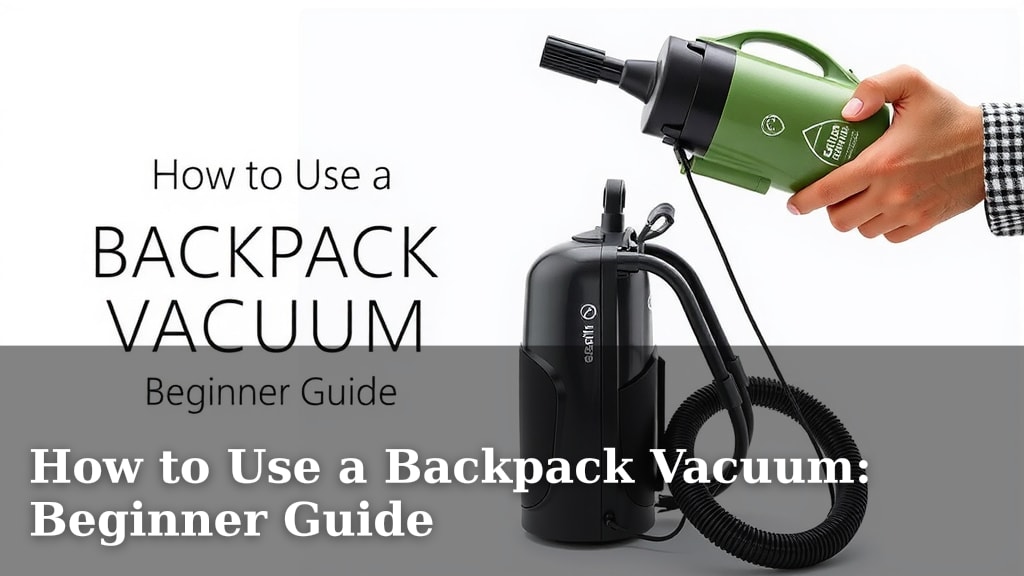
How to Use a Backpack Vacuum: Beginner Guide
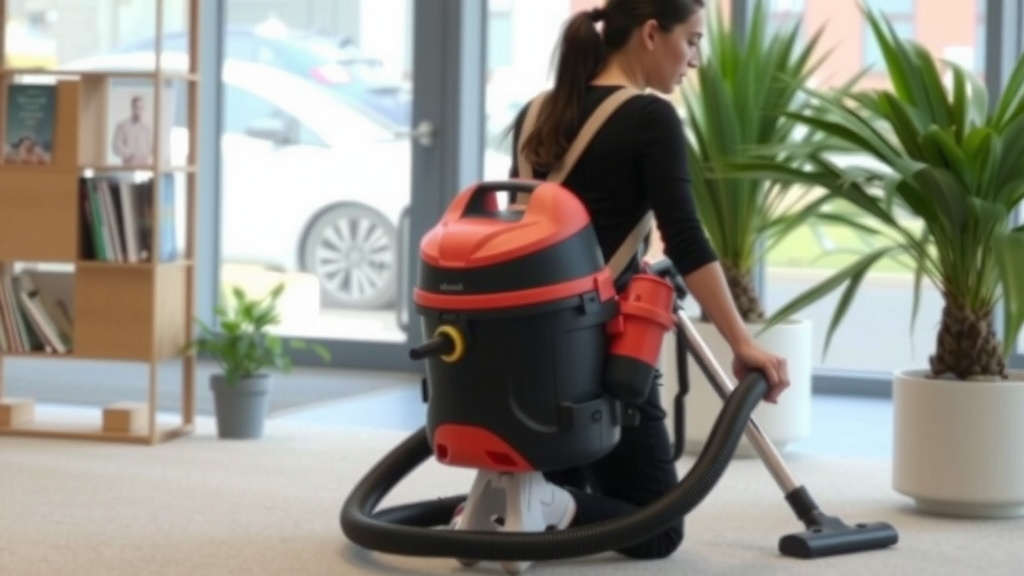
Using a backpack vacuum is quite straightforward once you know the basics. You simply strap it on, adjust the fit, and start cleaning with its powerful suction and convenient portability. This tool is perfect for cleaning stairs and tight spaces.
A backpack vacuum frees up your hands for better control. This makes cleaning hard-to-reach areas much easier. Many users find it less strenuous than traditional vacuums for extended cleaning jobs.
- Strap it on and adjust for comfort.
- Connect the hose and wand.
- Power on and begin cleaning.
- Empty the dust bag when full.
- Store it properly for next time.
Below, we’ll walk you through exactly how to use a backpack vacuum, step by step, so you can tackle any cleaning job with confidence.
Getting Started with Your Backpack Vacuum Cleaner
You’ve got your new backpack vacuum, and you’re ready to clean. But where do you begin? It might look a bit different, but using one is surprisingly simple. We’ll guide you through each step. You’ll be a pro in no time.
Fitting Your Backpack Vacuum Like a Glove
The first step is getting the fit just right. This ensures comfort and efficiency. Think of it like adjusting a hiking backpack. You want the weight distributed evenly.
Adjusting the Straps
Most backpack vacuums have adjustable shoulder straps. Loosen them to put the vacuum on. Then, tighten them so the unit rests comfortably on your back. You don’t want it too tight or too loose. The base of the vacuum should sit around your lower back or hips. This helps with balance and reduces strain. We found that a snug but not constricting fit makes a big difference.
Finding the Right Height
Some models also have chest or waist straps. Use these to further stabilize the vacuum. They can prevent it from shifting as you move. Proper adjustment is key for preventing fatigue. Many experts suggest this is the most important step for prolonged use (Occupational Safety and Health Administration).
Connecting the Cleaning Tools
Now that it’s on, let’s get your cleaning tools ready. This includes the hose and the wand. These are what actually pick up the dirt.
Attaching the Hose
Your vacuum will come with a flexible hose. You’ll connect this to the main unit. There’s usually a port on the side or top of the vacuum body. It often clicks into place or has a locking mechanism. Make sure it’s securely attached. A loose hose can pop off mid-clean.
Assembling the Wand and Attachments
Next, you’ll connect the wand. This is the rigid tube that extends your reach. It typically screws together in sections or slides into the hose end. You can then attach different cleaning heads or nozzles to the end of the wand. Common attachments include a floor tool, a crevice tool, and an upholstery brush. Choose the right attachment for the job you’re doing. We found that the crevice tool is a lifesaver for tight spots.
Powering Up and Cleaning Techniques
With everything connected, it’s time to turn it on. Backpack vacuums often pack a punch. Be prepared for strong suction.
Starting the Motor
Locate the power switch. It’s usually on the unit itself or on a corded remote. Flip the switch to the “on” position. You’ll feel the power immediately. Some models have variable speed settings. If yours does, start on a lower setting. You can always increase it if needed. We suggest starting low to get a feel for the machine.
Effective Cleaning Patterns
Move deliberately. Don’t rush. You’re not trying to outrun the dirt. For floors, use slow, overlapping strokes. Think of it like mowing a lawn. Cover each section thoroughly. For stairs, the backpack design shines. You can place the unit on a step below you or carry it up with you. This allows you to clean each riser and tread easily. We’ve seen many people struggle with traditional vacuums on stairs, but a backpack vacuum makes it so much simpler. It’s also great for cleaning vehicles.
Maintenance and Emptying Your Vacuum
Keeping your backpack vacuum in good shape means cleaning it regularly. This includes emptying the dust bag.
Knowing When to Empty
Most backpack vacuums use disposable or reusable dust bags. You’ll notice a decrease in suction power when the bag is getting full. This is your cue to change it. Don’t wait until it’s completely packed. Operating it with a full bag can strain the motor. Check the bag level periodically. We recommend checking it after each major cleaning session.
The Emptying Process
Turn off and unplug the vacuum. Locate the compartment where the dust bag is housed. This usually involves opening a latch or cover. Carefully remove the full bag. If you have a reusable bag, empty its contents into a trash can. Then, reinsert a new disposable bag or clean and reinsert your reusable one. Ensure the compartment is closed securely. Many sources suggest emptying bags outdoors to prevent dust from spreading indoors (Environmental Protection Agency).
Storage and Care for Longevity
Proper storage keeps your vacuum safe and ready for its next use. A little care goes a long way.
Where to Store It
Find a clean, dry place for your vacuum. A closet or a dedicated storage area works well. Avoid damp locations. Make sure it’s not in a spot where it can be easily damaged. Keep it away from potential hazards like heat sources. You want it protected.
Keeping It Clean Between Uses
Before storing, give the exterior a quick wipe-down. Check the hose and attachments for any debris. This ensures it’s ready for the next job. Storing it with the power cord neatly wrapped is also a good habit. We found that taking a minute to clean it before putting it away makes the next cleaning session much more pleasant.
Your Backpack Vacuum Checklist
Here’s a quick rundown to get you going:
- Adjust straps for a comfortable, secure fit.
- Connect the hose and wand firmly.
- Select the appropriate cleaning attachment.
- Turn on the vacuum and start cleaning slowly.
- Empty the dust bag when suction drops.
- Store in a clean, dry place.
Conclusion
You’ve now learned the essential steps to master your backpack vacuum. From achieving the perfect fit to effective cleaning techniques and simple maintenance, you’re ready to tackle any mess. Remember, proper adjustment ensures comfort, while selecting the right attachments makes cleaning efficient. Don’t forget to empty the dust bag regularly for optimal performance. Your backpack vacuum is a powerful tool for detailed cleaning jobs, especially on stairs and in tight spaces. For your next cleaning session, focus on securing that comfortable fit and using slow, deliberate movements to ensure a thorough clean. You’ve got this!
Frequently Asked Questions
How heavy is a backpack vacuum when worn?
Backpack vacuums vary in weight, but they are designed to distribute the load evenly. Most models range from 10 to 20 pounds. The straps help make them feel lighter by shifting the weight to your hips and back, making them comfortable for extended use.
Can I use a backpack vacuum on my carpet?
Yes, you absolutely can. Most backpack vacuums come with a floor tool attachment suitable for carpets and hard floors. You’ll find they offer powerful suction for deep cleaning carpets, removing embedded dirt and pet hair effectively.
How often should I empty the dust bag?
You should empty the dust bag when you notice a significant drop in suction power. For most users, this means emptying it after one or two major cleaning sessions. Overfilling the bag can strain the motor and reduce cleaning efficiency.
Are backpack vacuums good for commercial cleaning?
Backpack vacuums are excellent for commercial cleaning. Their portability and maneuverability make them ideal for large spaces, offices, and areas with lots of furniture. They allow cleaners to move quickly and efficiently without being tethered to a cord or struggling with bulky traditional vacuums.
What maintenance do I need to do besides emptying the bag?
Besides emptying the dust bag, regularly check the vacuum’s filter and clean or replace it as recommended by the manufacturer. Inspect the hose and attachments for any blockages or damage. A quick wipe-down of the exterior after use also keeps your vacuum in great condition.
![7 Best Canister Vacuum With Motorized Head [2026]](https://neatixo.com/wp-content/uploads/2026/05/7-best-canister-vacuum-with-motorized-head-2026-featured-768x432.jpg)