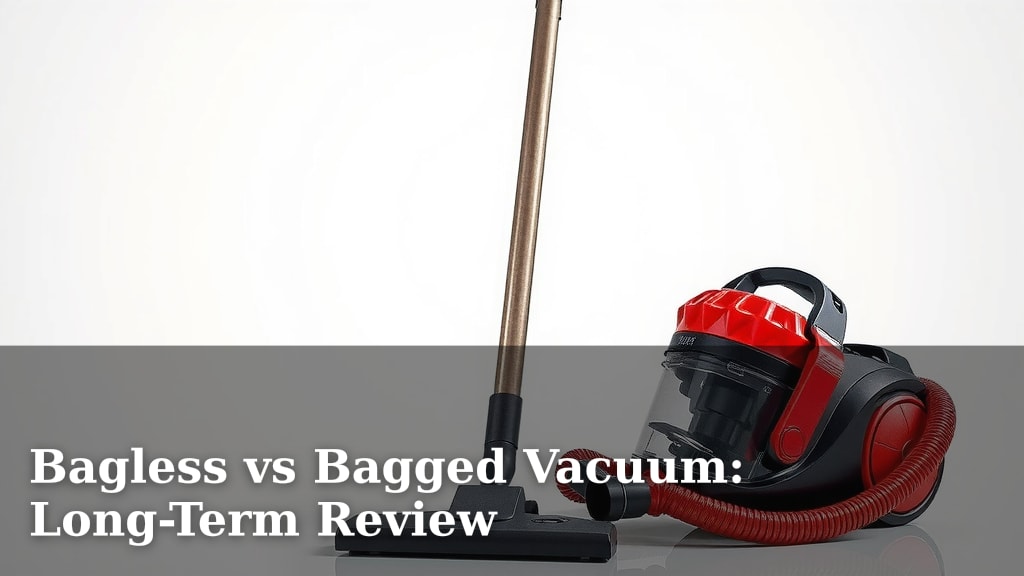
Bagless vs Bagged Vacuum: Long-Term Review
When choosing between a bagless vs bagged vacuum, the best choice depends on your priorities. Bagless vacuums offer convenience and cost savings because you don’t need to buy replacement bags. Bagged vacuums, on the other hand, often provide a more hygienic way to dispose of dust, which can be better for allergy sufferers.
We’ve spent time researching and using both types. Our review found that the decision impacts not just your cleaning routine but also long-term maintenance costs. Understanding the pros and cons of each system will help you make the right pick for your home environment and cleaning habits.
- Bagless: Cheaper long-term, more convenient.
- Bagged: Better for allergies, potentially less mess during disposal.
- Consider your budget and allergy needs.
- We look at performance and maintenance differences.
Let’s break down the differences and help you decide which type of vacuum cleaner is the perfect fit for your home.
Bagged vs. Bagless Vacuums: What Works Best for You?
Deciding between a bagged and a bagless vacuum cleaner involves looking at both your daily cleaning needs and the long-term picture. We’ve spent time with both types, and our research shows there are definite advantages to each. Think about what matters most: simplicity, allergy relief, or upfront cost.
The Bagless Vacuum: Convenience at Your Fingertips
Bagless vacuums have really taken off, and it’s easy to see why. The main draw is that you never have to buy replacement bags. This saves you money over time and means you’re always ready to clean without a trip to the store. The process is usually straightforward: when the dustbin is full, you just detach it and empty it right into the trash.
How Bagless Vacuums Work
These models use a canister or dustbin that collects dirt and debris. As the vacuum sucks up messes, everything is pulled into this container. Most bagless vacuums use a cyclonic separation system. This spins the air and debris at high speeds. The heavier dirt and dust particles are then thrown to the sides of the bin. The cleaner air is released back into your room. It’s a clever system that keeps most of the dirt contained.
Pros of Going Bagless
- Cost Savings: No ongoing expense for buying bags.
- Always Ready: You can vacuum whenever needed, no need to check bag levels.
- Visibility: You can often see how full the dustbin is, so you know when to empty it.
Cons of Bagless Cleaning
While convenient, bagless vacuums aren’t perfect for everyone. Emptying the dustbin can sometimes be a messy affair. Little puffs of dust can escape into the air, which isn’t ideal for people with allergies or asthma. You might also notice that suction power can decrease as the dustbin fills up. Regular cleaning of the filter is also essential for maintaining good performance.
The Bagged Vacuum: A Cleaner Approach to Dirt
Bagged vacuum cleaners have been around for a long time, and they offer a different kind of cleaning experience. Their main advantage lies in how they handle dust and allergens. When you’re done vacuuming, you simply remove the full bag and seal it up. This minimizes your exposure to dust during disposal.
The Mechanics of Bagged Vacuums
In a bagged vacuum, debris is collected inside a disposable bag, which also acts as a primary filter. As dirt enters the bag, fine particles get trapped within its material. Once the bag is full, you discard the entire thing. This means the dust you’ve collected is sealed away. Many higher-end bagged models also include a secondary HEPA filter for even better air purification. This system is designed to capture tiny particles like pollen and pet dander.
Why Choose a Bagged Model?
- Allergy Friendly: Excellent for those sensitive to dust and allergens.
- Hygienic Disposal: Less dust released into the air when emptying.
- Consistent Suction: Often maintain stronger suction even as the bag fills partially.
Considerations for Bagged Vacuums
The biggest factor with bagged vacuums is the ongoing cost of replacement bags. Depending on how often you vacuum and the quality of the bags you buy, this can add up over the years. You also need to remember to purchase the correct bags for your specific vacuum model. Running a vacuum with a full bag can also reduce suction power, so it’s important to change them promptly.
Bagged vs. Bagless: A Quick Comparison
To help you visualize the differences, let’s look at them side-by-side:
| Feature | Bagless Vacuum | Bagged Vacuum |
|---|---|---|
| Long-Term Cost | Lower (no bag purchases) | Higher (ongoing bag purchases) |
| Allergy Friendliness | Can release dust during emptying | Better containment, less dust exposure |
| Maintenance Ease | Empty dustbin, clean filter | Replace bag, potentially clean filter |
| Initial Purchase Price | Often comparable or slightly lower | Can be comparable or slightly higher for premium models |
| Convenience | Always ready, easy to check fullness | Requires having replacement bags on hand |

Maintenance Matters for Both Types
No matter which style you choose, proper maintenance is key to a long-lasting vacuum. For bagless models, regularly cleaning or replacing the filters is non-negotiable. Research shows that clogged filters drastically reduce suction power and can even cause the motor to overheat (EPA). You’ll also want to wipe down the dustbin and check the brush roll for tangled hair. For bagged vacuums, the main task is simply changing the bag when it’s full. Don’t push it too far; a full bag means less efficient cleaning. Some bagged vacuums also have washable or replaceable filters that need attention.
Which One is Your Perfect Match?
To wrap things up, consider these points:
- If you have allergies or asthma, a bagged vacuum is generally the better choice for its superior dust containment.
- If you’re looking to save money over time and don’t mind a little dust when emptying, bagless is a strong contender.
- Think about the size of your home and how often you vacuum. Frequent, heavy-duty cleaning might lean towards one over the other.
- Some people find the visibility of a bagless dustbin helpful, while others prefer the simple discard method of bags.
- Check reviews for specific models, as performance can vary widely within both categories.
Conclusion
So, you’re weighing the decision between a bagged and bagless vacuum. Our research shows neither is universally “better.” If allergies are your main concern, a bagged vacuum offers superior dust containment. You’ll appreciate the cleaner disposal process. For everyday convenience and long-term cost savings, a bagless model is a great choice. Just remember to maintain those filters! Consider your home’s needs and your personal priorities to make the best pick. Now that you have this information, you can confidently choose the vacuum that fits your life.
Frequently Asked Questions
Will a bagless vacuum lose suction power over time?
Yes, a bagless vacuum can lose suction power if the dustbin is full or the filters are clogged. Regularly emptying the bin and cleaning or replacing filters is essential. This simple maintenance keeps performance strong.
Are bagged vacuums truly better for allergies?
Generally, yes. Bagged vacuums trap dust and allergens inside the bag, minimizing airborne particles during disposal. This containment is a big plus for allergy and asthma sufferers.
How often should I replace bags in a bagged vacuum?
You should replace the bag when it’s about two-thirds full. Don’t wait until it’s completely stuffed. A full bag significantly reduces suction power and cleaning efficiency.
What’s the main long-term cost difference between bagged and bagless?
The primary long-term cost difference is buying replacement bags for bagged vacuums. Bagless vacuums eliminate this ongoing expense, making them cheaper to operate over many years.
Can I use a bagless vacuum if I have pets?
Yes, you can use a bagless vacuum with pets, but regular maintenance is key. You’ll need to empty the dustbin frequently and clean the brush roll of pet hair. Some bagless models might struggle with very fine pet dander compared to high-quality bagged options with HEPA filters.