Bag vs Bagless Robot Vacuum: Which to Pick?
When choosing between a bagged vs. bagless robot vacuum, the best option really depends on your cleaning habits and allergies. For a more hygienic dust disposal and fewer allergy triggers, a bagged model is often preferred. If you prioritize convenience and cost savings on replacements, bagless is typically the way to go.
Robot vacuums have revolutionized home cleaning. Deciding between a bagged or bagless canister affects everything from maintenance to air quality. We researched the key differences to help you make the smartest choice for your home and your busy life.
- Bagged: Better for allergies, cleaner disposal.
- Bagless: More convenient, no ongoing bag costs.
- Consider dust containment and ease of emptying.
- Your personal preference is key.
Let’s break down the pros and cons of each to help you find the perfect robot vacuum for your needs.
Bagged vs. Bagless Robot Vacuums: Making the Right Choice
Deciding between a bagged or bagless robot vacuum cleaner can feel like a big decision. Both types work hard to keep your floors clean. But they do it with different dust collection systems. We researched the key differences to help you choose the best one for your home.
Understanding the Core Differences
The main difference lies in how they store the dirt and debris they suck up. A bagged vacuum uses a disposable bag. A bagless one uses a special bin or canister.
How Bagged Robot Vacuums Work
Think of a bagged robot vacuum like a traditional upright vacuum. It has a fabric or paper bag inside. As the vacuum cleans, dust and dirt go into this bag. The bag acts as a filter. It traps most of the fine particles.
Pros of Bagged Models
One big advantage is allergy control. When you change the bag, you seal the dirt away. This means less dust gets into the air. Many allergy sufferers find this much better. It’s a more hygienic way to handle the mess. We found that this is a major selling point for many users.
Cons of Bagged Models
The main drawback is the ongoing cost. You have to buy replacement bags. These can add up over time. Also, sometimes a full bag can make the vacuum lose suction power. You need to replace the bag before it gets too full.
How Bagless Robot Vacuums Work
Bagless robot vacuums use a reusable dustbin. This bin often has a cyclone system. It spins the air to separate dirt from the air. The dirt collects in the bin. You then empty the bin directly into your trash can.
Pros of Bagless Models
The biggest perk is convenience and cost savings. You don’t need to buy bags. Just empty the bin. This can save you money over the long run. Emptying is usually quick and easy. You can typically see how full the bin is.
Cons of Bagless Models
Emptying the dustbin can be messy. Dust can escape into the air when you empty it. This might not be ideal for people with severe allergies. You also need to clean the bin and its filters regularly. This takes a bit more effort.
Key Factors to Consider for Your Home
When you’re deciding, think about your specific needs. Your home environment and cleaning habits matter a lot. What works for one person might not work for another.
Allergies and Air Quality
If you or someone in your home suffers from allergies or asthma, air quality is key. Bagged vacuums generally do a better job of containing allergens. The sealed bag prevents dust from being released back into the air. Many health organizations suggest improved filtration for allergy sufferers (CDC). A bagless model might stir up more dust when emptying.
Ease of Use and Maintenance
How much effort do you want to put into maintenance? Bagless models offer simpler daily use. You just press a button to empty the bin. Bagged models require you to buy and install new bags. This is an extra step. But for some, the cleaner disposal is worth it. We found that regular users often prefer bagless for its speed.
Cost and Longevity
Consider the long-term costs. While bagless vacuums have a higher initial cost sometimes, they don’t require ongoing bag purchases. Bags are an added expense. However, some high-end bagged vacuums might have better filtration systems. Compare the total cost over a few years. Think about the price of replacement bags versus the durability of a bagless bin.
Environmental Impact
If you’re looking to be more eco-friendly, consider your options. Disposable bags create more waste. Bagless bins are reusable. However, the filters in both types of vacuums may need regular replacement. This also creates waste. Many newer models focus on reducing plastic use. This is a growing trend in vacuum cleaner design.
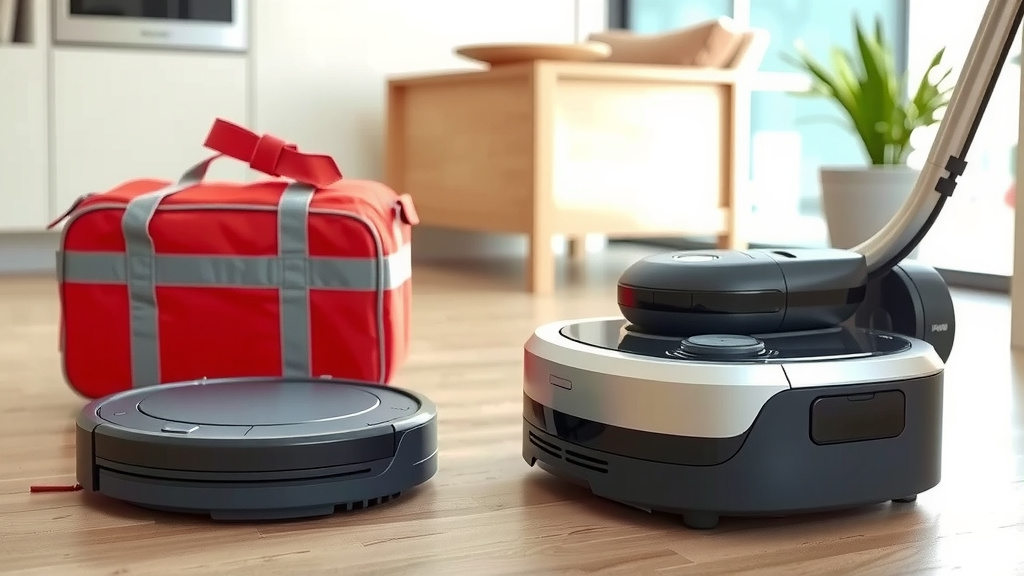
A Quick Comparison Table
Here’s a simple chart to help you see the differences at a glance.
| Feature | Bagged Robot Vacuum | Bagless Robot Vacuum |
|---|---|---|
| Dust Containment | Excellent; sealed bag | Good; but can release dust on emptying |
| Allergy Friendliness | Generally Better | Can be problematic for severe allergies |
| Ongoing Costs | Higher (replacement bags) | Lower (no bags needed) |
| Maintenance | Replace bags | Empty bin, clean filters |
| Convenience | Slightly less for bag replacement | Very high for daily emptying |
Checklist for Your Decision
Ask yourself these questions to guide your choice:
- Do you have allergies or asthma?
- How much do you want to spend over time?
- How important is super-easy dust disposal?
- Do you prefer less ongoing purchases?
- How much time can you spend on maintenance?
- Do you want to reduce household waste?
Conclusion
So, you’ve weighed the pros and cons of bagged versus bagless robot vacuums. If allergies are your main concern, a bagged model offers superior dust containment for cleaner air. For those prioritizing budget and simple upkeep, a bagless vacuum means no recurring costs and quick bin emptying. We found that your personal lifestyle and home environment are the biggest factors. Take a moment to consider your specific needs – this will lead you straight to the robot vacuum that’s perfect for your home.
Frequently Asked Questions
Will a bagless robot vacuum make my allergies worse?
For some with severe allergies, emptying the dustbin can stir up dust. If this is a concern, you might consider a bagged model for its sealed disposal system. However, many bagless models have good filters. You can also try emptying the bin outdoors to minimize dust in your home.
Are bagged robot vacuums more expensive in the long run?
The initial cost of a bagged robot vacuum might be similar or even lower than a bagless one. However, you’ll have ongoing expenses for replacement bags. Over several years, these bag costs can add up. Bagless models have no recurring bag fees, making them potentially more cost-effective over time.
How often do I need to empty a bagless robot vacuum?
This depends on the size of the dustbin and how much your robot vacuum collects. For homes with pets or high traffic, you might need to empty it daily or every other day. Smaller bins in more compact robot vacuums may require more frequent emptying.
Can I use any brand of bags with my bagged robot vacuum?
Generally, no. It’s best to use the specific replacement bags recommended by the manufacturer of your bagged robot vacuum. Using the wrong size or type of bag could affect suction power or even damage the vacuum cleaner.
What maintenance is involved with a bagless robot vacuum?
Besides emptying the dustbin regularly, you’ll need to clean the filters and the bin itself. Many bagless robot vacuums have washable filters, which can be a cost-saving benefit. Checking the brushes for tangled hair or debris is also part of routine maintenance.