Liquid Ring Vacuum Pump: How It Works and Its Best Industrial Uses
Have you ever wondered how industries manage to create powerful vacuum conditions without relying on complicated mechanical systems? The answer often lies in a fascinating piece of equipment called a liquid ring vacuum pump. These pumps are like the unsung heroes of industrial operations, quietly doing their job in countless facilities around the world. Let me walk you through everything you need to know about how they work and why they’re so valuable.
Understanding the Basics: What Exactly Is a Liquid Ring Vacuum Pump?
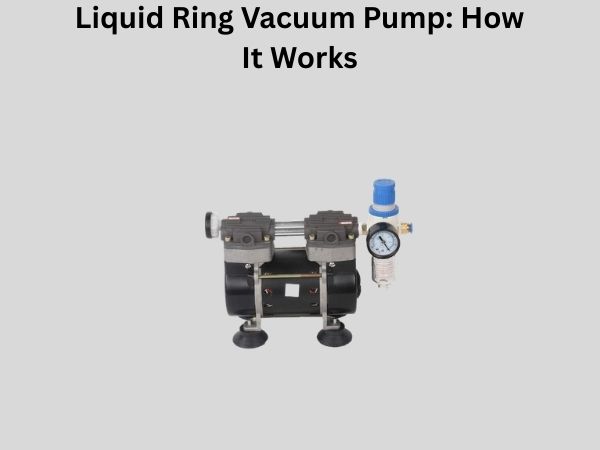
Imagine a spinning wheel inside a container of liquid. That’s essentially the foundation of a liquid ring vacuum pump. At its core, this device is designed to remove air or other gases from a sealed space, creating a vacuum. But here’s what makes it different from other vacuum pumps—it uses a liquid, typically water, as its primary working medium.
The pump consists of a housing, an impeller (the spinning wheel), and a strategic arrangement of ports that allow gases to enter and exit. When the impeller rotates, it creates a dynamic seal with the liquid, which is essential for the pump’s operation. This combination of mechanics and fluid dynamics is what gives the liquid ring vacuum pump its distinctive characteristics and advantages.
The Inner Mechanics: How Does a Liquid Ring Vacuum Pump Actually Work?
Let’s dive deeper into the mechanical process. Understanding this requires us to break down the operation into distinct phases that happen repeatedly as the impeller rotates.
The Impeller and Its Critical Role
The impeller is an off-center rotor with multiple blades or vanes. Think of it as an eccentric wheel—it doesn’t spin around the exact center of the housing. This offset positioning is absolutely crucial to how the pump functions. As the impeller rotates, it creates chambers of varying sizes around its circumference.
The Formation of the Liquid Ring
When the pump starts, the liquid (usually water) fills the housing. As the impeller rotates, centrifugal force pushes the liquid outward, creating what’s called a “liquid ring.” This ring isn’t uniform—it varies in thickness as you move around the impeller due to the eccentric design. In some areas, the ring is thicker, and in others, it’s thinner. This variation is the secret sauce that makes everything work.
The Intake Phase
On one side of the impeller, as the blades rotate, the space between them and the liquid ring expands. This expansion creates a low-pressure area—a partial vacuum. Gas from your process enters through the inlet port and fills this space. The pump literally sucks in whatever gas you need to remove from your system.
The Compression Phase
As the impeller continues its rotation, the geometry shifts. The space that was expanding now begins to contract. The liquid ring moves closer to the blade tips, compressing the gas that was drawn in during the intake phase. This compression increases the pressure of the gas trapped between the blades and the liquid ring.
The Discharge Phase
When the pressure becomes high enough, the gas is forced out through the discharge port. But here’s where it gets interesting—the gas and liquid often exit together initially. This is why liquid ring pumps are known for having “wet” discharge characteristics. Separators are typically used downstream to separate the liquid from the gas.
Why Liquid Acts as the Working Medium
You might wonder why use liquid at all? Why not just compress the gas directly with mechanical seals? The answer is elegantly simple. The liquid serves multiple purposes simultaneously.
First, it acts as a seal between the impeller blades and the housing, preventing gas leakage. Second, it absorbs the heat generated during compression, keeping the pump cooler than dry compression methods. Third, it provides lubrication for the impeller. Fourth, and perhaps most importantly, it allows the pump to handle gases that contain vapors without fouling or damaging the mechanical components.
Key Advantages That Make Them Industrial Favorites
Reliability and Durability
Liquid ring pumps are incredibly robust machines. Because they don’t rely on tight mechanical tolerances or complex sealing systems, they’re less prone to failure. They can run continuously for extended periods without requiring frequent maintenance. This reliability is why you’ll find them operating in 24/7 industrial environments.
Handling Wet Gases and Vapors
Unlike many other pump types, liquid ring pumps excel at handling gases that contain moisture or liquid droplets. The liquid medium actually absorbs these vapors, preventing them from damaging internal components. This makes them perfect for applications involving steam, humid gases, or corrosive vapors.
Simplicity of Operation
Operating a liquid ring pump doesn’t require a PhD in engineering. The mechanism is straightforward—once it’s set up and running, it just works. There are fewer variables to monitor compared to other vacuum technologies, and troubleshooting is generally straightforward.
Cost-Effectiveness
Both the initial purchase price and operating costs tend to be reasonable for liquid ring pumps. They’re efficient enough to not waste enormous amounts of energy, yet affordable enough for even smaller operations to justify the investment.
Industrial Applications Where Liquid Ring Pumps Shine
Chemical Processing
The chemical industry relies heavily on vacuum for distillation, evaporation, and separation processes. Liquid ring pumps handle the corrosive vapors and organic compounds that are common in chemical manufacturing without deteriorating rapidly.
Food and Beverage Production
In food processing, sanitation and the ability to handle water vapor are paramount. Liquid ring pumps create the vacuum needed for packaging, evaporation, and degassing processes while maintaining hygiene standards.
Pharmaceutical Manufacturing
Pharmaceuticals require precise vacuum conditions and sterile environments. Liquid ring pumps provide reliable vacuum control for processes like lyophilization (freeze-drying) and distillation while being compatible with sterile liquid media.
Pulp and Paper Mills
The paper industry uses liquid ring pumps extensively for dewatering processes. The ability to handle large volumes of air mixed with moisture and paper fibers makes them ideal for this application.
Oil and Gas Operations
From refining to drilling operations, the oil and gas sector uses these pumps for vapor recovery, condensation removal, and gas handling. Their ability to work with hydrocarbon vapors makes them invaluable in this industry.
Wastewater Treatment
Treatment facilities use liquid ring pumps for aeration and for removing gases from sludge. The wet-handling capability is particularly valuable here, as the material being processed is often liquid or semi-liquid.
The Working Liquid: Choosing the Right Medium
Water is the most common choice for liquid ring pumps, but it’s not the only option. The choice of working liquid depends on your specific application and environmental conditions.
- Water: Best for general applications, economical, and easy to maintain
- Oil-based liquids: Suitable for higher temperature applications and certain chemical processes
- Specialized fluids: For pharmaceutical or food applications, food-grade oils or specialized solvents might be used
The working liquid gradually loses its effectiveness as it becomes contaminated or saturated with gases and moisture. Regular monitoring and periodic replacement of the working liquid is a crucial maintenance task that keeps your pump running at peak efficiency.
Performance Parameters You Should Know About
Pumping Speed
This refers to the volume of gas the pump can remove per unit time, typically measured in cubic meters per hour or liters per second. Larger impellers and faster rotation speeds increase pumping speed, though there are practical limits.
Ultimate Vacuum Pressure
This is the lowest pressure the pump can achieve. Liquid ring pumps typically reach vacuums in the range of 20 to 40 millibar absolute pressure, depending on design and conditions. This is more than sufficient for most industrial applications but lower than some specialized pump types.
Discharge Pressure
These pumps can also work as compressors, achieving discharge pressures of several bar. This dual functionality makes them versatile for various industrial processes.
Maintenance: Keeping Your Pump in Top Condition
While liquid ring pumps are renowned for reliability, they’re not maintenance-free. Proper upkeep ensures they operate efficiently and last for many years.
- Regular liquid level checks: The working liquid must be at the correct level for optimal performance
- Liquid quality monitoring: Watch for contamination or degradation and change the liquid as needed
- Temperature monitoring: Excessive heat can indicate problems with cooling or mechanical issues
- Vibration analysis: Unusual vibrations might signal bearing wear or impeller imbalance
- Seal inspection: Check mechanical seals for leakage periodically
- Filter maintenance: Keep inlet filters clean to prevent contaminants from entering the pump
Common Challenges and How to Address Them
Liquid Carryover
Sometimes liquid exits the pump along with the gas. Installing a separator or demister in the discharge line solves this problem. These devices catch the liquid droplets and return them to the pump.
Temperature Rise
If your pump runs hot, it might indicate a refrigeration system failure or inadequate cooling. Some systems include coolers to maintain optimal operating temperatures, especially in continuous operation scenarios.
Loss of Vacuum Performance
When the pump stops achieving the desired vacuum level, the working liquid likely needs replacement, or the impeller might be worn. Cleaning the pump interior sometimes restores performance.
Cavitation Issues
When vapor bubbles form and collapse inside the pump, cavitation occurs. This can damage the impeller over time. Ensuring adequate working liquid supply and proper pump priming prevents this issue.
Liquid Ring Pumps vs. Other Vacuum Technologies
How do liquid ring pumps compare to alternatives like rotary vane pumps, screw pumps, or turbomolecular pumps? Each technology has its place.
Rotary vane pumps achieve lower ultimate vacuums but are sensitive to dust and moisture. Screw pumps are efficient but more complex mechanically. Turbomolecular pumps reach ultra-high vacuums but are expensive and require backing pumps. Liquid ring pumps sit in the middle ground—they offer reasonable vacuum levels, excellent reliability, superior wet-gas handling, and outstanding value for money.
Future Trends and Innovations
The technology continues to evolve. Manufacturers are developing more efficient impeller designs that reduce energy consumption. Materials science advances allow pumps to handle more aggressive chemical environments. Variable-speed drives enable better energy management by adjusting pump speed to actual demand rather than running at constant maximum capacity.
Some manufacturers are experimenting with alternative working liquids that offer better environmental profiles or specialized properties for specific applications. Additionally, digital monitoring systems are becoming more common, allowing operators to track pump performance and predict maintenance needs.
Conclusion
Liquid ring vacuum pumps represent an elegant engineering solution to the challenge of creating and maintaining vacuum conditions in industrial processes. By harnessing the properties of liquid as both a sealing and working medium, they achieve remarkable reliability and versatility. Their ability to handle wet gases, vapors, and contaminants without damage makes them indispensable across dozens of industries.
Whether you’re involved in chemical processing, food production, pharmaceuticals, or any of the countless other applications where vacuum is essential, understanding how these pumps work helps you make informed decisions about your vacuum system. From the moment the eccentric impeller begins its rotation to the final discharge of compressed gas, every aspect of the liquid ring pump’s operation is a testament to intelligent mechanical design.
If you’re considering a vacuum solution for your facility, a liquid ring pump deserves serious consideration. Their combination of simplicity, reliability, cost-effectiveness, and superior performance with challenging gases makes them a smart choice for many industrial scenarios. With proper maintenance and the right operating parameters, a liquid ring pump can provide years of dependable service, making it one of the best investments you can make in your facility’s infrastructure.
Frequently Asked Questions About Liquid Ring Vacuum Pumps
What is the maximum vacuum pressure that a liquid ring pump can achieve?
Liquid ring pumps typically achieve ultimate vacuum pressures (the lowest pressure they can reach) in the range of 20 to 40 millibar absolute pressure. Some specially designed units might reach slightly lower pressures, but they generally cannot compete with other pump types that are designed specifically for ultra-high vacuum applications. The specific ultimate pressure depends on factors like the design of the impeller, the rotation speed, the type and condition of the working liquid, and the temperature of operation. For most industrial applications where vacuum levels in the range of 0.5 to 50 millibar are needed, liquid ring pumps perform excellently.
How often do I need to replace the working liquid in a liquid ring pump?
The frequency of liquid replacement depends on your specific operating conditions, the type of liquid used, and what gases or vapors are being pumped. In typical industrial applications with clean inlet gases, the working liquid might last anywhere from several months to over a year before replacement becomes necessary. However, if your process involves corrosive vapors, heavy contamination, or high moisture content, you might need to change the liquid more frequently—possibly every few weeks. Regular monitoring of the liquid’s appearance, pH, and performance metrics helps determine the right replacement schedule. Many operators conduct liquid samples periodically to assess degradation and plan maintenance accordingly.
Can a liquid ring pump handle corrosive gases?
Liquid ring pumps handle many corrosive situations quite well, but success depends on choosing the right materials and working liquid for your application. The pump housing and impeller can be constructed from corrosion-resistant materials like stainless steel or special alloys. The working liquid itself can also provide some buffering against corrosive gases. However, extremely aggressive chemicals might still damage pump components over time. For applications involving highly corrosive gases, consult with pump manufacturers about material specifications and special working fluids that might provide better compatibility. Some applications might require additional downstream equipment to neutralize or separate corrosive components before they return to the pump.
What are the main differences between a liquid ring pump operating as a vacuum pump versus as a compressor?
The fundamental mechanical operation remains the same regardless of the direction of gas flow. When operating as a vacuum pump, gas enters through one port at lower pressure and exits through another at atmospheric or elevated pressure. When operating as a compressor, gas enters at atmospheric pressure and is discharged at higher pressure. The same liquid ring formation, compression, and discharge mechanism creates this pressure change in either direction. Many industrial facilities use the same equipment for both functions, sometimes simultaneously through different ports. This dual functionality is one reason liquid ring pumps are so valued in industrial applications—they provide both evacuation and compression capabilities in a single, simple unit.
What should I do if my liquid ring pump isn’t achieving the expected vacuum level?
When performance drops, start with the basics. First, check the working liquid level and condition—low liquid or contaminated liquid is the most common culprit. If the level is adequate, inspect for any visible leaks or damage. Listen for unusual noises that might indicate impeller issues or bearing problems. Check that inlet filters aren’t clogged, as this restricts the pump’s ability to draw gas. Monitor the pump’s temperature—