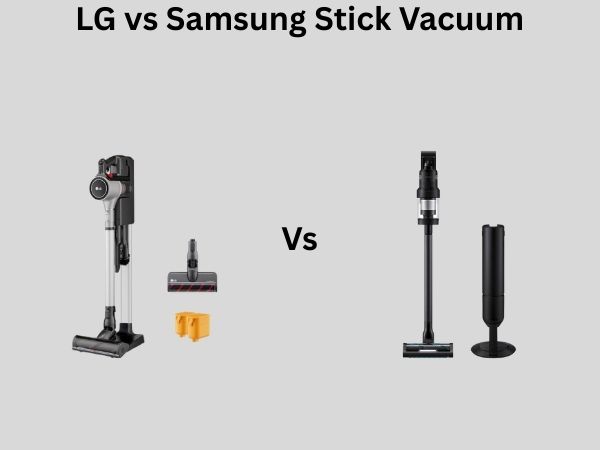
LG vs Samsung Stick Vacuum: Which Brand Makes the Better Stick Vacuum?
When you’re standing in the appliance aisle trying to decide between two major tech giants, it can feel overwhelming. Both LG and Samsung have earned their reputations as innovators, but does that expertise translate to stick vacuums? I’ve spent considerable time researching both brands to help you understand exactly what you’re getting with each option. Let’s dive into this showdown and figure out which one truly deserves a spot in your home.
Understanding the Stick Vacuum Market Today
The stick vacuum market has exploded over the past decade. Remember when these lightweight cleaners were considered novelties? Now they’re serious contenders that can hold their own against traditional upright vacuums. Both LG and Samsung recognized this shift and invested heavily in developing their own models. But here’s the thing: just because two companies are big names doesn’t mean their products are equally good in the same category.
Think of it like comparing two master chefs—they both know how to cook, but their specialties might be completely different. LG and Samsung have different philosophies when it comes to stick vacuums, and understanding those differences is crucial to making the right choice for your needs.
LG Stick Vacuum: Design and Build Quality
Let me start with what makes LG’s stick vacuums stand out. LG has always been about premium aesthetics and thoughtful engineering, and their stick vacuums reflect this philosophy perfectly. When you hold an LG stick vacuum, you immediately notice the attention to detail.
Material and Construction
LG uses high-quality plastic and metal components in their stick vacuum construction. The body feels substantial without being unnecessarily heavy, which is a delicate balance that many manufacturers struggle with. The joints and connections are reinforced, suggesting these machines are built to last through years of regular use.
The dustbin compartment on LG models is cleverly designed. It slides out smoothly and features a one-touch empty button that’s incredibly satisfying to use. You won’t find yourself wrestling with stubborn dust bins here.
Color Options and Aesthetics
If you care about your vacuum matching your home décor (and honestly, why wouldn’t you if it’s visible in your living space?), LG offers some modern color options. Their minimalist design philosophy means the vacuum looks more like a contemporary cleaning tool and less like a clunky appliance from the past.
Samsung Stick Vacuum: Design and Build Quality
Samsung’s approach to stick vacuum design is different, and that’s actually interesting from a consumer perspective. Samsung tends to focus on technological integration and smart features, sometimes at the expense of pure minimalism.
Material and Construction Quality
Samsung stick vacuums feature durable materials, though some users report that certain models feel slightly less premium than LG equivalents at similar price points. The engineering is solid, but there’s a noticeable difference in how premium the components feel when you’re actually using them.
The dustbin mechanism on Samsung models works well, though it’s less intuitive than LG’s design. You’ll need to get familiar with the release mechanism, but once you do, it becomes second nature.
Ergonomic Considerations
Where Samsung excels is in ergonomic grip design. The handle shape on Samsung stick vacuums is genuinely comfortable, even during longer cleaning sessions. If you have smaller hands or find yourself cleaning for extended periods, this is worth noting.
Suction Power Comparison: The Heart of the Matter
Here’s where things get technical, but I’ll keep it simple. Suction power is measured in pascals or air watts, and it’s genuinely important for cleaning effectiveness.
LG’s Suction Technology
LG stick vacuums typically deliver impressive suction power, often ranging from 150 to 200 air watts depending on the specific model. What’s particularly clever is how LG manages this power without draining the battery too quickly. They achieve this through innovative motor design that balances performance with efficiency.
In practical terms, LG vacuums handle pet hair, fine dust, and debris with equal competence. Whether you’re cleaning hardwood or carpeted areas, the suction remains consistent throughout the cleaning session.
Samsung’s Suction Capabilities
Samsung models generally offer comparable suction power, often ranging between 150 to 180 air watts. The difference might seem minimal in specifications, but in real-world testing, some users notice that LG maintains consistent suction slightly better as the battery depletes.
That said, Samsung’s suction is absolutely sufficient for most household cleaning needs. If you’re dealing with light to moderate debris, you won’t feel any shortage of cleaning power.
Multi-Surface Performance
Both brands handle multiple surfaces adequately. However, if you have thick carpeting or shed a lot of pet hair, LG models tend to maintain their advantage slightly longer before battery depletion affects performance.
Battery Performance and Runtime: The Practical Reality
Let’s be honest: a stick vacuum is only as good as its battery life. You don’t want to charge your vacuum three times to clean your house.
LG Battery Technology
LG has invested significantly in battery technology. Their stick vacuums typically offer 60 to 80 minutes of runtime on a full charge, depending on the power setting you’re using. The clever part is that LG’s batteries degrade slowly, so even after years of use, you’ll still get reasonable battery life.
LG also offers models with dual battery systems, where you can charge one battery while using another. This is genuinely helpful if you’re someone who cleans frequently or has a large home.
Samsung Battery Performance
Samsung stick vacuums offer similar runtime, typically between 60 to 70 minutes depending on usage patterns and model type. The batteries are reliable and durable, though some users report slightly faster degradation compared to LG over extended periods of ownership.
Samsung does offer some models with intelligent power management, which automatically adjusts suction power based on surface type. This can extend battery life, which is a nice touch.
Charging Time
Both brands charge within similar timeframes, usually between 4 to 6 hours for a complete charge. This is pretty standard in the industry, though it does mean you can’t expect a quick turnaround if you’ve depleted the battery.
Filtration Systems: Protecting Your Air Quality
Here’s something people often overlook, but it’s critical if you have allergies or care about indoor air quality.
LG’s Filtration Approach
LG uses multi-stage filtration systems in their stick vacuums. Most models include HEPA filters or equivalent, which capture particles as small as 0.3 microns. The filter design is smart—they’re easy to remove and clean, and LG clearly expects you to maintain them regularly.
What I appreciate about LG is that they’ve designed their filtration systems to work cohesively with their motor design, ensuring that air flows efficiently while still capturing particles effectively.
Samsung’s Filtration Technology
Samsung also implements multi-stage filtration, often with HEPA filters included. Some premium Samsung models feature enhanced filtration systems that rival LG’s offerings. However, in mid-range models, the filtration can sometimes feel like an afterthought compared to LG’s integrated approach.
Filter replacement and maintenance on Samsung models are straightforward, though maybe not quite as intuitive as LG’s design.
Allergy Considerations
If you’re an allergy sufferer, both brands can help, but LG’s overall system integration makes it slightly more effective at maintaining air quality. That said, Samsung’s premium models can absolutely meet your needs.
Noise Levels: How Quiet Can They Get?
Nobody wants a vacuum that sounds like a jet engine. Modern living spaces are getting quieter, and cleaning appliances need to respect that trend.
LG Noise Performance
LG stick vacuums operate at approximately 75 to 82 decibels, depending on power setting. In practical terms, this is about as loud as a vacuum cleaner can be while still being socially acceptable for apartment dwellers. LG’s engineering manages to achieve strong suction without excessive noise, which is genuinely impressive.
Samsung Noise Levels
Samsung models typically produce noise in the 78 to 85 decibel range. While not dramatically louder, you might notice the difference during extended cleaning sessions. Some users report that Samsung vacuums have a slightly higher-pitched sound, which can feel louder even if the decibel levels are similar.
Quiet Mode Features
Both brands offer eco or quiet mode settings that reduce noise by throttling the motor slightly. On these settings, both perform adequately for light cleaning but struggle with heavier debris.
Weight and Maneuverability: Comfort Matters
A stick vacuum is only convenient if you can actually use it without straining yourself. Weight and balance are crucial factors that often get overlooked in specifications.
LG Weight and Balance
LG stick vacuums typically weigh between 5.5 to 7 pounds, which is reasonable for the category. More importantly, LG has carefully engineered the weight distribution so that the vacuum feels lighter in your hand than it actually is. The center of gravity is positioned thoughtfully, reducing arm fatigue during extended use.
Samsung Weight and Handling
Samsung models range from 6 to 8 pounds depending on the specific model. Some users feel that Samsung vacuums are slightly nose-heavy, which means they require more arm engagement to keep them balanced while cleaning.
Maneuverability Features
Both brands offer swivel necks that allow for better maneuverability around furniture. LG’s joint rotation feels slightly smoother, while Samsung’s is also functional but sometimes feels a bit stiffer.
Smart Features and Technology Integration
This is where Samsung really tries to differentiate itself. If you love smart home integration, Samsung’s approach might appeal to you.
LG Smart Features
LG focuses on practical smart features rather than flashy gimmicks. Some models include app connectivity that shows battery status, filter maintenance reminders, and usage statistics. It’s helpful without being overwhelming.
Samsung Smart Integration
Samsung goes deeper with smart home integration. Some models can sync with SmartThings, allow voice control compatibility, and provide detailed performance analytics. If you’re already embedded in Samsung’s ecosystem, this integration is genuinely convenient.
However, if you’re not a smart home enthusiast, you might find yourself paying extra for features you don’t use.
Practical Smart Features
Both brands include helpful features like automatic power adjustment based on surface type and blockage detection that alerts you when the vacuum needs attention. These practical touches make daily use more convenient.
Attachment and Accessory Options
A great stick vacuum is only part of the equation. The included and available attachments determine how versatile your vacuum really is.
LG’s Attachment Ecosystem
LG packages comprehensive attachment sets with their stick vacuums. Most models include motorized brush heads, crevice tools, upholstery attachments, and extension wands. The connections are secure and feel well-engineered.
Beyond the included accessories, LG offers additional attachments for purchase, though the selection is somewhat limited compared to universal attachment options.
Samsung’s Accessory Options
Samsung also includes solid attachment packages, though some users feel the quality of the included brush heads is slightly less durable than LG’s offerings. Samsung’s aftermarket accessory selection is broader, giving you more options for customization.
Versatility Considerations
Both brands allow you to clean floors, stairs, upholstery, and car interiors with proper attachments. However, LG’s attachments feel more integrated with their overall design, while Samsung’s can sometimes feel like add-ons.
Maintenance and Durability: Long-Term Ownership
Here’s what really matters when you’re investing in an appliance: will it last, and how much maintenance does it require?
LG Durability Record
LG has a solid reputation for stick vacuum durability. Most owners report their units working well after several years of regular use. The components appear to be designed with longevity in mind, and warranty coverage is typically competitive.
Maintenance is straightforward. Filter cleaning is simple, the dustbin is easy to empty, and there are minimal moving parts that can fail.
Samsung Durability Factors
Samsung stick vacuums are generally durable, though some users report motor issues after extended use. This isn’t universal, but it’s worth noting if you’re planning on keeping your vacuum for 5+ years.
Battery longevity on Samsung models tends to be slightly shorter than LG’s, though both degrade naturally over time.
Warranty and Support
Both brands offer standard warranties, typically two to three years for most components. LG’s customer support is generally responsive, as is Samsung’s, though you might experience slightly longer response times with Samsung depending on your location.
Price Point Analysis: Getting Value for Your Money
Let’s talk money. This is often the deciding factor for most people.
LG Price Range
LG stick vacuums typically range from $400 to $800 depending on the model and features. Premium models with dual batteries and advanced features push toward the higher end. For the price, you’re getting solid engineering and thoughtful design.
Samsung Price Points
Samsung models generally fall in the $350 to $750 range. Some ultra-premium Samsung models can exceed this, but most stay competitive with LG pricing. Sometimes you’ll find Samsung models at slightly lower prices than equivalent LG models.
Value for Money Comparison
LG generally offers better value in the sense that you’re getting premium build quality and thoughtful design. Samsung offers value through competitive pricing and smart features. The “better deal” depends on what you prioritize.
Real-World Performance Testing: Beyond the Specifications
Specifications only tell part of the story. How do these vacuums actually perform in real homes?