Bag vs Canister Vacuum: Complete Buyer Guide
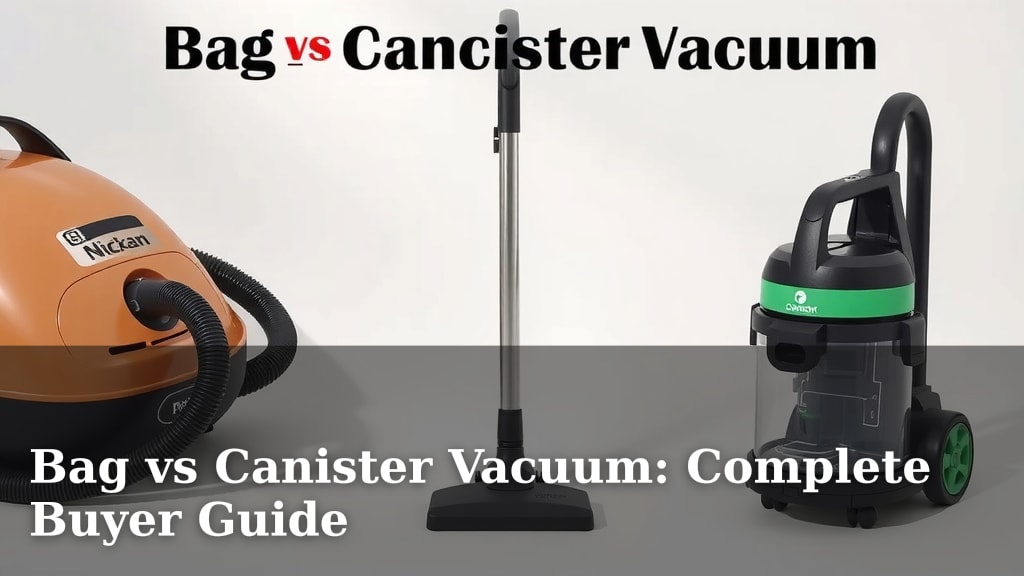
Choosing between a bagged vacuum and a canister vacuum really depends on your cleaning needs and priorities. Bagged vacuums excel at trapping allergens and dust, making them a top choice for allergy sufferers. Canister vacuums often offer superior suction power and versatility with their attachments, which can be better for deep cleaning. We found that the best option boils down to your home’s specific challenges and what you value most in a vacuum.
Think about your flooring types and the size of your living space. If you have a lot of carpets, a powerful canister might be your best bet. For hard floors and delicate surfaces, a lightweight bag model could be ideal. We looked into how these differences impact your cleaning routine and overall home environment. Selecting the right type means less effort and a cleaner home.
- Bagged vacuums trap more allergens.
- Canister vacuums often have stronger suction.
- Consider your floor types and home size.
- Attachments boost versatility for canister models.
- Your cleaning priorities will guide the best choice.
Let’s dive into the details of each type so you can make the smartest decision for your home. We’ll help you figure out which vacuum is your perfect match.
Understanding Bagged vs. Canister Vacuums
Deciding between a bagged and a canister vacuum is a big step toward a cleaner home. Each type has its own strengths. We looked at how they handle dust, dirt, and allergens differently. Your choice impacts how often you clean and how fresh your air feels.
Bagged Vacuums: The Allergen Trappers
Bagged vacuums are your go-to if allergies or asthma are a concern in your household. They work by trapping dirt and dust inside a disposable bag. This sealed system means fewer fine particles escape back into your air. Many models are designed with advanced filtration, like HEPA filters. This further reduces airborne irritants.
We found that when you change the bag, you’re essentially throwing away the trapped allergens. This is a huge benefit for sensitive individuals. It minimizes exposure to dust mites, pet dander, and pollen. Think of it as a clean sweep, every time you bag it up.
Pros of Bagged Vacuums
- Excellent for allergy sufferers: They contain allergens effectively.
- Hygienic disposal: You seal away the dust when you change the bag.
- Easier maintenance for some: No need to clean out a dustbin.
- Good for delicate surfaces: Often lighter and easier to maneuver.
Cons of Bagged Vacuums
- Ongoing cost of bags: You’ll need to buy replacements.
- Potential for reduced suction: As the bag fills, suction can decrease.
- Less eco-friendly: Disposable bags create more waste.
Canister Vacuums: Power and Versatility
Canister vacuums often boast superior suction power. They typically feature a separate motor and a collection bin. This design can allow for a more consistent, powerful clean. Many come with a variety of attachments. These tools make them great for cleaning more than just floors.
We found that their versatility is a major selling point. You can often switch between different heads for carpets and hard floors. Plus, the included tools can tackle upholstery, curtains, and tight corners. It’s like having a cleaning toolkit in one machine.
Pros of Canister Vacuums
- Powerful suction: Great for deep cleaning carpets and embedded dirt.
- Versatile attachments: Excellent for above-floor cleaning and tight spots.
- Often more durable: Built for heavy-duty use.
- No ongoing bag costs: You just empty the bin.
Cons of Canister Vacuums
- Can be heavier and bulkier: Maneuvering them might be challenging for some.
- Messier emptying: Dust can be released when emptying the bin.
- Requires filter cleaning: You’ll need to maintain the filters.
Key Features to Consider
Beyond the bag or canister, many features affect your vacuuming experience. We looked at what truly makes a difference for everyday cleaning tasks. Thinking about these will help you narrow down your choices.
Suction Power and Performance
Suction is king when it comes to cleaning. A powerful vacuum can lift more dirt from carpets and hard floors. We found that canister vacuums often have an edge here. This is due to their motor design and sealed systems. However, many modern bagged vacuums also offer impressive suction. Check the specs for wattage or airwatts if available. Real-world reviews can also indicate performance.
Filtration Systems
Filtration is vital for air quality. For allergy sufferers, a HEPA filter is highly recommended. HEPA filters capture at least 99.97% of particles 0.3 microns in size. Many bagged vacuums come with excellent filtration built-in. Canister vacuums may also offer HEPA options. Many guidelines suggest checking filter types for asthma and allergy management (CDC).
Weight and Maneuverability
How easy is your vacuum to move around? If you have multiple floors or a large home, weight matters. Bagged vacuums are often lighter stick or upright models. Canister vacuums can be heavier but offer flexibility with their hose and wand. Consider how you’ll navigate stairs or tight spaces. Testing the maneuverability is key if possible.
Attachments and Accessories
Attachments turn a good vacuum into a great one. Crevice tools, dusting brushes, and upholstery tools are common. Canister vacuums usually come with a wider array. This makes them ideal for detailed cleaning. Bagged vacuums might have fewer but still useful accessories. Think about what surfaces you clean besides floors.
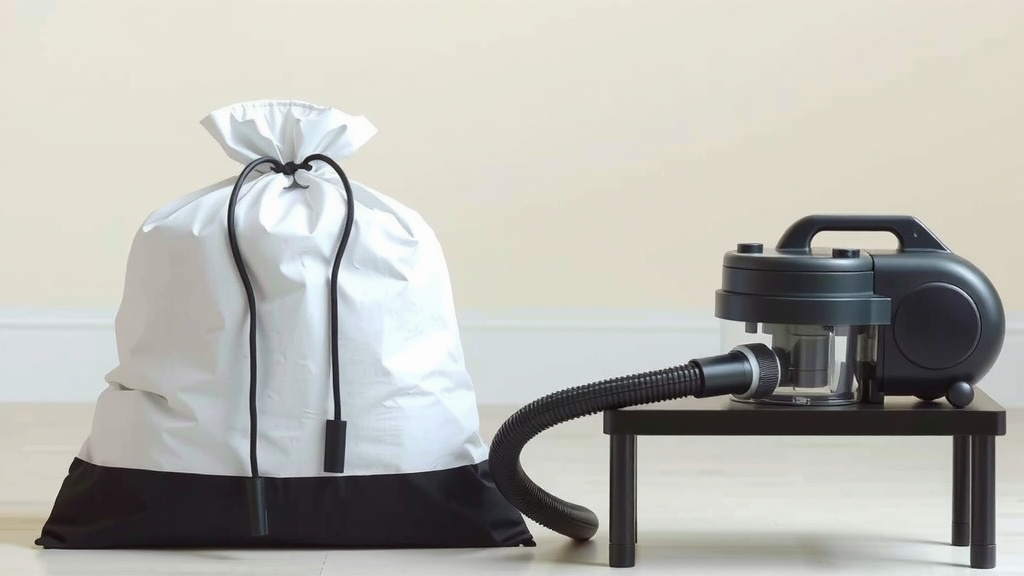
Comparing Bagged and Canister Vacuums in Action
Let’s imagine a typical cleaning scenario. You’ve got pet hair clinging to your living room rug. You also need to dust the bookshelves and clean the kitchen tile. How does each vacuum type handle this?
| Cleaning Task | Bagged Vacuum | Canister Vacuum |
|---|---|---|
| Deep carpet cleaning (pet hair) | Good, but suction may decrease as bag fills. | Excellent, often superior suction for embedded dirt. |
| Hardwood floors | Effective, especially with soft roller heads. | Very effective, often with specialized floor tools. |
| Upholstery and furniture | Can be good with the right attachments. | Excellent, usually comes with dedicated tools. |
| Dusting delicate items (shelves, blinds) | Good with soft brush attachments. | Excellent with a variety of brush and crevice tools. |
| Allergen control | Generally superior due to sealed bag system. | Good, but emptying can release some dust if not careful. |
Which is Right for Your Home? A Quick Checklist
To help you decide, ask yourself these questions:
- Do you or someone in your home suffer from allergies or asthma?
- What types of flooring do you have the most of?
- How much space do you need to clean?
- Are you concerned about ongoing costs for replacement parts?
- Do you need a vacuum for multiple surfaces and tasks?
- Is weight and ease of maneuverability a top priority?
Conclusion
Choosing between a bagged and a canister vacuum comes down to your personal cleaning needs. If you struggle with allergies, a bagged vacuum offers superior allergen containment. For those needing maximum power and versatility, a canister vacuum with its array of attachments is often the best choice. We found that considering your home’s specific challenges, like flooring types and the presence of pets or allergies, is key. Think about ease of use, ongoing costs, and the type of clean you expect. Make your decision based on what matters most for your home environment and cleaning routine.
Frequently Asked Questions
Can a canister vacuum really handle allergens as well as a bagged one?
Canister vacuums can be effective with allergens, especially those with HEPA filtration. However, the process of emptying the dustbin can sometimes release fine particles back into the air. For those with severe allergies, a bagged vacuum’s sealed system is generally considered the safer bet for maximum containment.
Will a canister vacuum be too heavy for me to use on multiple floors?
Some canister vacuums can be heavier, but their design often separates the motor from the wand and hose, making them easier to maneuver around obstacles and up stairs. Many models are designed with wheels and lightweight wands to improve portability. It’s worth checking the weight and looking for models with longer hoses.
How often do I need to buy replacement bags for a bagged vacuum?
The frequency of bag replacement depends on how often you vacuum and how full the bags get. Typically, you’ll replace a bag when it’s about two-thirds full to maintain optimal suction. For a household that vacuums regularly, this might be every few weeks to a couple of months.
Are canister vacuums always more powerful than bagged vacuums?
Canister vacuums often have a reputation for stronger, more consistent suction due to their motor design and sealed systems. However, many modern bagged vacuums also offer impressive power. It’s best to compare the airwatts or wattage specifications of individual models rather than relying solely on the type.
What is the main advantage of using a canister vacuum’s attachments?
The primary advantage of canister vacuum attachments is their versatility for cleaning beyond floors. You can use specific tools for dusting delicate furniture, cleaning upholstery, reaching into tight crevices, or even cleaning car interiors. This makes them a true all-in-one cleaning solution for your entire home.