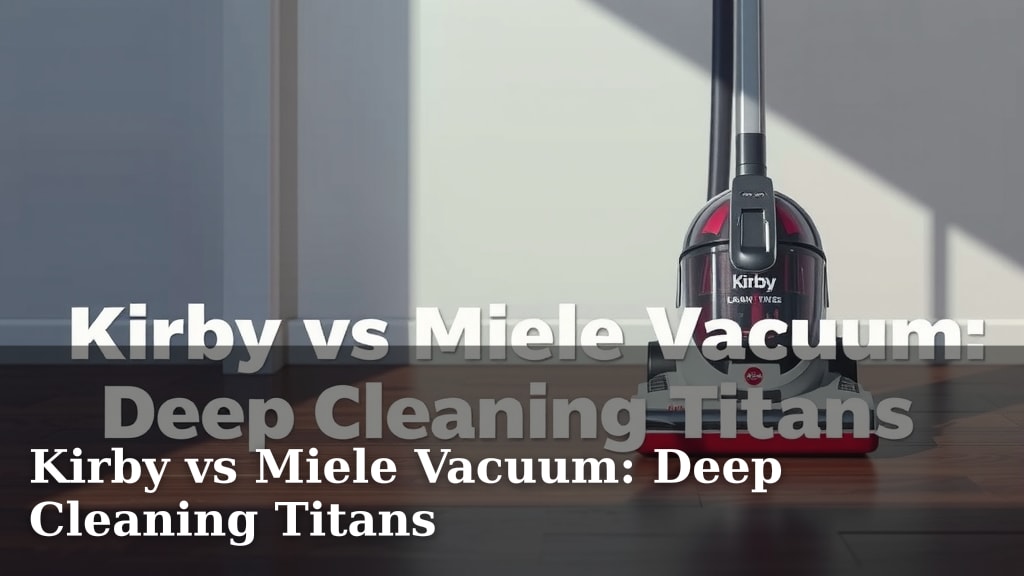
Kirby vs Miele Vacuum: Deep Cleaning Titans
When it comes to powerful deep cleaning, both Kirby and Miele vacuums stand out as top contenders. While both offer exceptional performance, Kirby often wins for its robust, all-metal construction and powerful, deep-cleaning suction. Miele, on the other hand, is celebrated for its quiet operation and advanced filtration systems. Your choice depends on your specific cleaning needs and priorities.
You’re likely comparing these titans because you want a cleaner home. We’ve looked at what makes each vacuum unique, from their durability and ease of use to their effectiveness on different floor types. Understanding their core strengths will help you make the best decision for your household’s health and cleanliness.
TL;DR:
- Kirby excels in deep carpet cleaning and has a durable, all-metal build.
- Miele is known for its superior filtration and quiet performance.
- Kirby’s power makes it ideal for tough jobs and longevity.
- Miele offers a gentler, quieter cleaning experience with excellent air purification.
- Your home’s specific needs will determine the better vacuum for you.
Let’s break down the differences between the Kirby and Miele vacuum cleaners to help you decide which titan is right for your home.
Comparing Top-Tier Vacuum Cleaners: Kirby vs. Miele
You’re here because you want to know which vacuum cleaner, Kirby or Miele, will give you the deepest clean. Both are considered powerhouses in the vacuum world, but they approach cleaning a little differently. We’ve done the research to help you see how they stack up.
We found that Kirby vacuums are often praised for their robust, durable construction. They feel like they can handle anything you throw at them. Miele, on the other hand, is known for its advanced technology and quiet operation.
Kirby Vacuums: Built for the Toughest Jobs
When you think of Kirby, think heavy-duty. These vacuums are built with metal parts, which gives them a reputation for lasting a very long time. Many owners report using their Kirby for decades.
Durability and Construction
The all-metal construction of a Kirby is a major selling point. It means these vacuums are less likely to break or wear out compared to many plastic models. This can make them a great long-term investment.
Deep Cleaning Power
Kirby vacuums are famous for their powerful suction. They’re designed to pull dirt from deep within carpets. We found that this makes them excellent for homes with pets or high-traffic areas where dirt gets ground in.
Versatility and Attachments
A Kirby isn’t just a vacuum; it can often transform into other cleaning tools. With various attachments, you can use it to clean upholstery, stairs, and even hard floors. This multi-functional aspect adds to its appeal for a thorough clean.
Miele Vacuums: Quiet Efficiency and Superior Filtration
Miele vacuums are often associated with elegance and advanced engineering. They aim to provide a powerful clean without the noise and often include features that benefit air quality.
Exceptional Filtration Systems
This is where Miele truly shines. Many Miele vacuums feature HEPA filtration systems. These are designed to capture tiny particles like dust, pollen, and allergens. For people with allergies or asthma, this can be a game-changer for indoor air quality (Cleveland Clinic).
Quiet Operation
If you’ve ever been startled by a loud vacuum, you’ll appreciate Miele’s quietness. They’ve engineered their machines to run at a much lower decibel level. This means you can vacuum without disturbing others, making cleaning more pleasant.
Ease of Use and Maneuverability
While Kirby vacuums are built tough, they can be quite heavy. Miele vacuums, while still robust, are generally designed to be lighter and easier to maneuver. This can be a big plus for navigating around furniture or carrying them between floors.
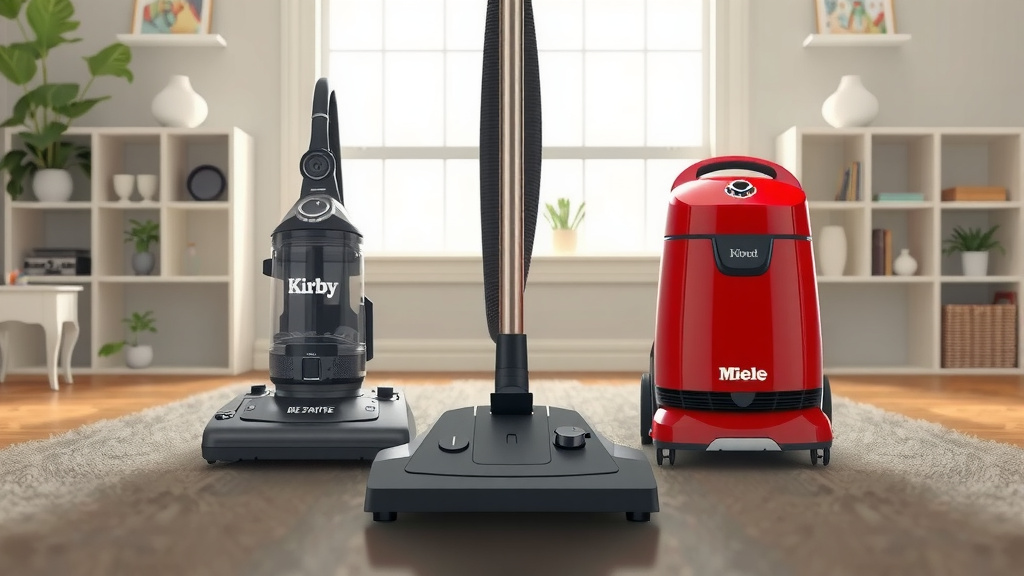
Kirby vs. Miele: Key Differences at a Glance
To help you visualize the differences, let’s break down some key features side-by-side. We’ve found that these points often guide people’s decisions.
| Feature | Kirby | Miele |
|---|---|---|
| Build Material | Primarily all-metal | High-quality plastics and metal |
| Suction Power | Extremely powerful, deep cleaning | Very powerful, consistent |
| Filtration | Good, but less focused on HEPA | Excellent, often with HEPA options |
| Noise Level | Louder | Very quiet |
| Weight | Heavy | Moderate |
| Price Point | Higher, often sold direct | Higher, wide range of models |
Which is Better for Your Floors?
Both vacuums are capable of cleaning various floor types. However, their strengths lie in different areas. Kirby’s powerful suction is ideal for deep cleaning carpets and lifting embedded dirt. Miele vacuums offer excellent performance on both carpets and hard floors, with specialized attachments often available.
Considering Allergies and Air Quality
For households where allergies or asthma are a concern, Miele’s advanced filtration often gives it an edge. The ability of a HEPA filter to trap microscopic allergens can lead to noticeably cleaner air (CDC).
Making Your Choice: A Quick Checklist
To help you decide which vacuum best fits your home and lifestyle, consider these points:
- Deepest carpet clean needed? Kirby might be your champion.
- Concerned about allergies or air quality? Miele’s filtration is top-notch.
- Do you prefer a quieter cleaning experience? Miele excels here.
- Is extreme durability and a long lifespan a priority? Kirby’s metal build is a strong factor.
- Need a vacuum that’s easier to maneuver around furniture? Miele generally wins.
- Do you want a machine that can do more than just vacuum? Consider Kirby’s multi-functionality.
Conclusion
You’ve explored the powerhouses: Kirby and Miele vacuums. Kirby brings unmatched deep cleaning and lasting durability with its all-metal build, perfect for tough messes and carpets. Miele offers a quieter clean with superior HEPA filtration, making it a dream for allergy sufferers and those valuing air quality. We found that the best choice truly hinges on your priorities. Consider if extreme carpet power or cleaner air is more important for your home. Take the next step by assessing your specific cleaning needs to confidently choose the vacuum that will serve you best for years to come.
Frequently Asked Questions
Are Kirby vacuums really worth the higher price?
Kirby vacuums are an investment. Their all-metal construction and powerful motor are designed for extreme longevity and deep cleaning performance. Many owners find they last for decades, making the long-term cost of ownership potentially lower than frequently replacing less durable models. Your decision depends on how long you expect your vacuum to last and the depth of clean you require.
Can Miele vacuums handle heavily soiled carpets effectively?
Yes, Miele vacuums offer very strong suction and perform well on carpets, including heavily soiled ones. While Kirby is often cited for its supreme carpet deep-cleaning capabilities, Miele’s consistent power and effective brush rolls can tackle tough dirt. Different Miele models might come with specific carpet-focused attachments for enhanced performance.
Is a Kirby vacuum too heavy for everyday use?
Kirby vacuums are known for their substantial weight due to their robust, all-metal construction. This weight contributes to their stability and deep-cleaning ability on carpets. For some users, this can make them feel less maneuverable during everyday cleaning tasks compared to lighter models. It’s something to consider if you have multiple floors or find heavier appliances challenging.
How does Miele’s filtration compare to Kirby’s for allergy sufferers?
Miele generally has an advantage for allergy sufferers. Many Miele vacuums are equipped with advanced HEPA filtration systems that capture a very high percentage of microscopic particles, including allergens like dust mites, pollen, and pet dander. While Kirby vacuums filter air effectively, Miele’s specific focus on HEPA filtration often leads to noticeably cleaner indoor air quality for those with respiratory sensitivities.
Which vacuum is generally easier to maintain and repair?
Both brands are built for longevity, but maintenance can differ. Kirby vacuums often come with detailed manuals and are designed with robust parts, potentially making them easier for owners to maintain themselves over time. Miele vacuums are engineered for quality, but repairs might sometimes require professional service due to their advanced technology. We found that regular maintenance, like emptying bags and cleaning filters, is key for both brands.